Boric Acid → Calcium
HRID 1982101
Reaktionsgleichung

[B:1]([OH:4])([OH:3])[OH:2].[OH-].[Ca+2:6].[OH-]>>[Ca:6].[B:1]([O-:4])([O-:3])[O-:2].[B:1]([O-:4])([O-:3])[O-:2].[B:1]([O-:4])([O-:3])[O-:2].[B:1]([O-:4])([O-:3])[O-:2].[Ca+2:6].[Ca+2:6].[Ca+2:6].[Ca+2:6].[Ca+2:6].[Ca+2:6]Komponenten
4
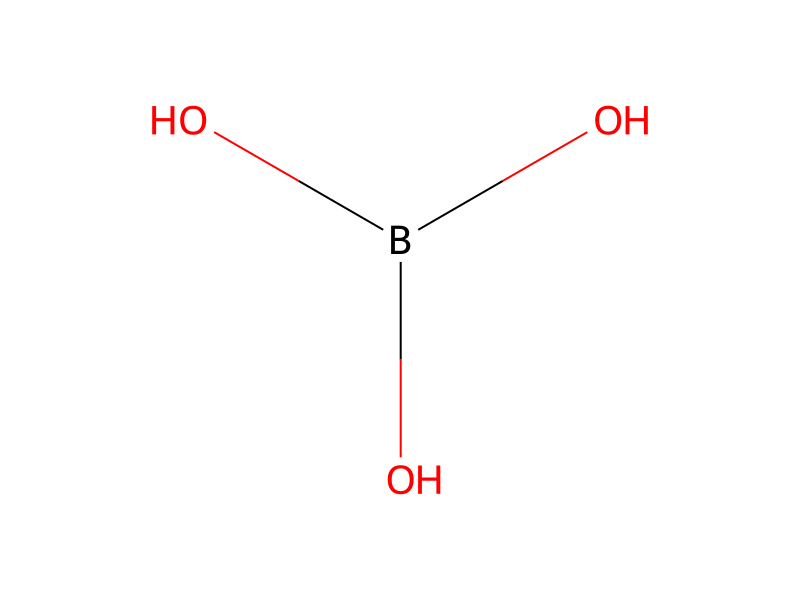


Versuchsvorschrift
Referring now to the drawing, which despicts the preferred process of this invention, the boric acid liquid wastes, commonly referred to as "evaporator bottoms", generated by a typical pressure water reactor (PWR) are evaporated and concentrated to about a 10 weight percent boric acid solution. The steam resulting from this evaporation process is directed to a vapor clean-up system for ultimate discharge or recycling. The boric acid solution is neutralized with a stoichiometric amount of calcium hydroxide or a similar calcium compound to yield a precipitate of insoluble calcium tetraborate according to the following equation: