O-Xylene → 6-(4-Methoxyphenyl)-3-phenyl-[1,2,4]triazolo[3,4-a]phthalazine
HRID 1990782
Reaktionsgleichung

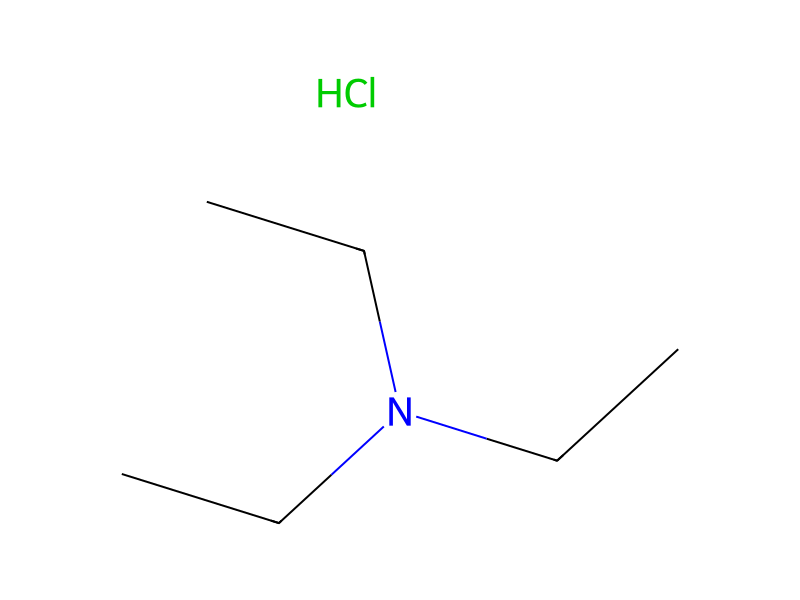
[C:1]([NH:9][NH2:10])(=O)[C:2]1[CH:7]=[CH:6][CH:5]=[CH:4][CH:3]=1.Cl.C(N(CC)CC)C.C1(C)C(C)=CC=CC=1.Cl[C:28]1[C:37]2[C:32](=[CH:33][CH:34]=[CH:35][CH:36]=2)[C:31]([C:38]2[CH:43]=[CH:42][C:41]([O:44][CH3:45])=[CH:40][CH:39]=2)=[N:30][N:29]=1>O>[CH3:45][O:44][C:41]1[CH:42]=[CH:43][C:38]([C:31]2[C:32]3[C:37](=[CH:36][CH:35]=[CH:34][CH:33]=3)[C:28]3=[N:10][N:9]=[C:1]([C:2]4[CH:7]=[CH:6][CH:5]=[CH:4][CH:3]=4)[N:29]3[N:30]=2)=[CH:39][CH:40]=1Komponenten
6