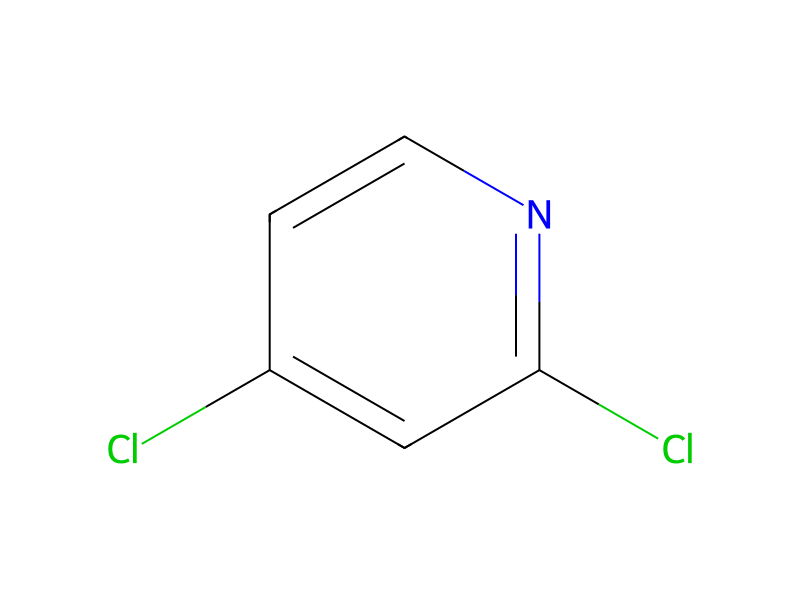
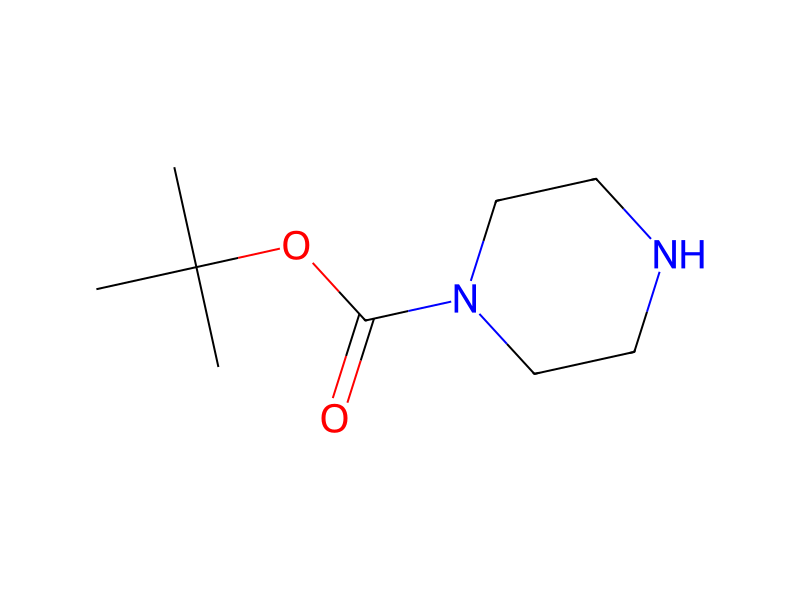
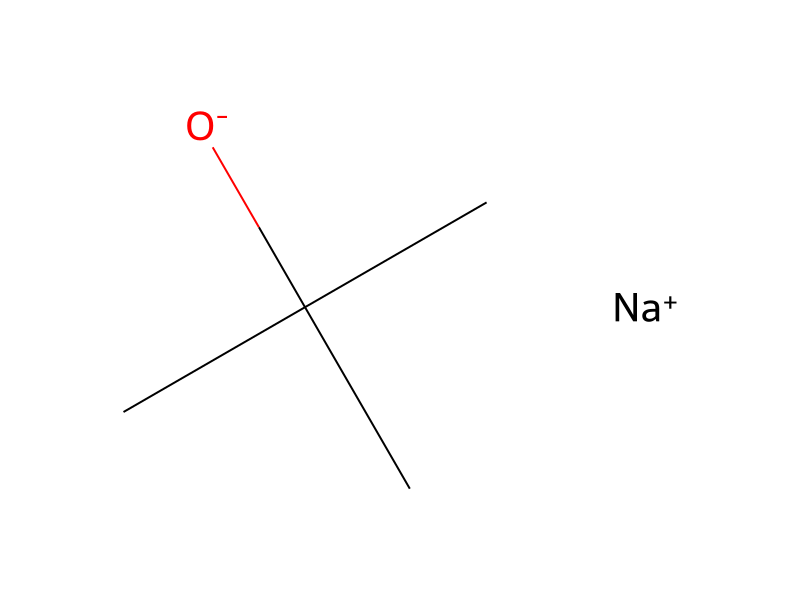
Cl[C:2]1[CH:7]=[C:6]([Cl:8])[CH:5]=[CH:4][N:3]=1.[C:9]([N:16]1[CH2:21][CH2:20][NH:19][CH2:18][CH2:17]1)([O:11][C:12]([CH3:15])([CH3:14])[CH3:13])=[O:10].CC(C)([O-])C.[Na+].O>C1(C)C=CC=CC=1.C([O-])(=O)C.[Pd+2].C([O-])(=O)C>[C:12]([O:11][C:9]([N:16]1[CH2:21][CH2:20][N:19]([C:2]2[CH:7]=[C:6]([Cl:8])[CH:5]=[CH:4][N:3]=2)[CH2:18][CH2:17]1)=[O:10])([CH3:15])([CH3:13])[CH3:14]Stir a solution of 2,4-dichloro-pyridine (6.7 mmol, 1 g), N-Boc piperazine (8.1 mmol, 1.5 g), sodium tert butoxide (9.5 mmol, 0.9 g), palladium (II) acetate (0.7 mmol, 0.15 g) and 2-(di-tbutylphosphino)biphenyl (0.7 mmol, 0.2 g) dissolved in toluene under nitrogen at 100° C. for 4 hours. Cool down to room temperature and add water. Extract in ethyl acetate washing the organic layer with water and saturated aq. sodium chloride. Dry organic layer over sodium sulfate, filter, and concentrate under reduced pressure to give 4-(4-chloro-pyridin-2-yl)-piperazine-1-carboxylic acid tert-butyl ester as a residue. Subject residue to silica gel chromatography eluting with hexanes/ethyl acetate in gradient (from 10% to 50%). MS(ES): m/z=298 [M+H].