StartseiteMCPWorkbenchSkills
StartseiteWorkbenchBenachrichtigungenMein Bereich
llms.txt · MCP-AnleitungDatenschutz · Nutzungsbedingungen · Supportv1.8.3
  1. Startseite
  2. /Reaktion

Methyl iodide → 2-Amino-2-(fluoromethyl)-4-methylpent-4-enenitrile

HRID 1995577
Drucken

Reaktionsgleichung

Reaktionsgleichung von HRID 1995577
[CH2:1](Cl)[C:2](=[CH2:4])[CH3:3].[Mg].CI.[F:9][CH2:10][C:11]#[N:12].[Cl-].[NH4+:14].[C-:15]#N.[Na+]>O1CCCC1.O.O.O1CCCC1>[F:9][CH2:10][C:11]([NH2:12])([CH2:1][C:2]([CH3:3])=[CH2:4])[C:15]#[N:14]
KomponentenVersuchsvorschriftAufarbeitungQuellen und NachweiseNotizen zur Reaktion

Komponenten

10

Edukt 6

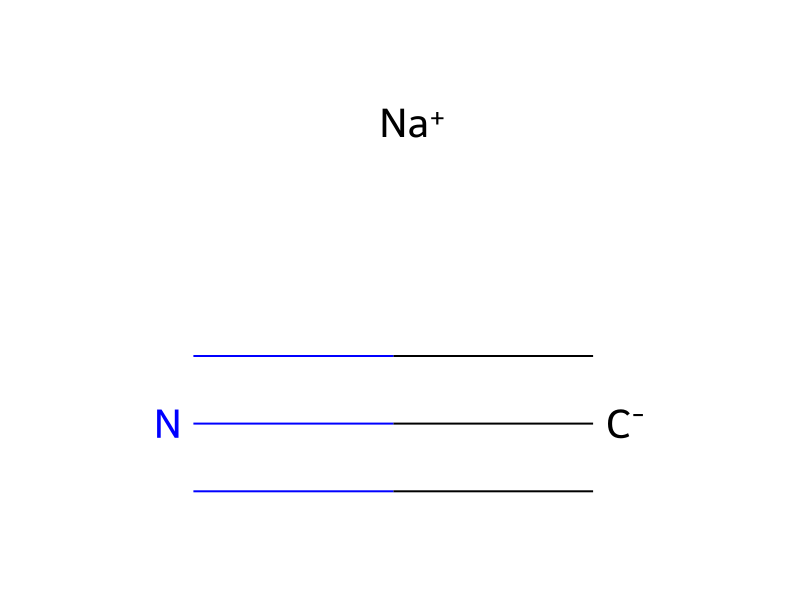
HCID 6328Methyl iodideHCID 8929Sodium CyanideHCID 10420Acetonitrile, fluoro-HCID 112413-Chloro-2-methyl-1-propene2×HCID 25517Ammonium ChlorideHCID 5462224Magnesium

Produkt 1

HCID 13317007
2-Amino-2-(fluoromethyl)-4-methylpent-4-enenitrile
Ausbeute 103,3 %

Reagenzien, Katalysatoren, Lösungsmittel 3

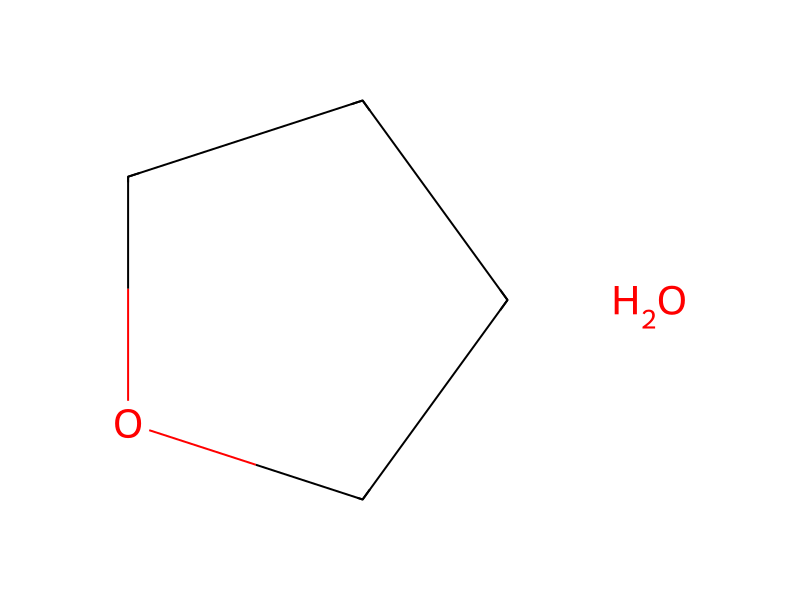
HCID 962WaterLösungsmittelHCID 8028TetrahydrofuranLösungsmittel3×HCID 21881883Oxolane--water (1/1)Lösungsmittel

Versuchsvorschrift

In a 10 l reactor, filled with nitrogen, about 100 ml of a solution of methallyl chloride (453 g, 490 ml, 5.0 mol) in dry tetrahydrofuran (THF) (4 l) is added to a stirred suspension of magnesium turnings (486 g, 20 mol) in tetrahydrofuran (THF) (1 l), previously activated by 2 ml of methyl iodide. The mixture is heated until Grignard formation starts. The reaction mixture is cooled with ice, and methallyl chloride solution is added at such a rate that the internal temperature does not exceed 50° C. After the reaction mixture is stirred overnight at room temperature, the Grignard reagent is separated from the excess of magnesium, transferred to a 20 l reactor, and cooled to -40° C. A solution of fluoroacetonitrile (276 g, 253 ml, 4.68 mol) in THF (1 l) is added slowly (within about 15 minutes), maintaining the internal temperature between -40° and -35° C. Stirring is continued for 30 minutes, at -40° C. The mixture is cooled to -60° C., and a water/THF mixture (300 ml, 1:1) is slowly added. A solution of ammonium chloride (795 g) and sodium cyanide (490 g) in water (7.5 l), previously cooled with ice, is added rapidly and the dry ice is removed. The mixture is stirred for 1 hour at an internal temperature between 0° C. and room temperature. The mixture is saturated with sodium chloride (about 2 kg), the organic layer is separated, and the aqueous phase is extracted twice with ether (2×3 l). The ether phase is dried (Na2SO4) and evaporated to give a dark oil (687 g) which is dissolved in ether (5 l) and extracted carefully with 10% hydrochloric acid (4×650 ml). The combined aqueous phases are cooled with ice and made basic with concentrated ammonia. The oil which separates is dissolved in diethyl ether (2.5 l), and the aqueous layer is extracted with diethyl ether (2×2 l). The combined ether extracts are dried (Na2SO4) and evaporated to afford the crude title compound as a dark oil (488 g).


Aufarbeitung

  1. temperatureThe mixture is heated until Grignard formation
  2. additionis added at such a rate that the internal temperature
  3. customdoes not exceed 50° C
  4. customthe Grignard reagent is separated from the excess of magnesium
  5. customtransferred to a 20 l reactor
  6. temperaturecooled to -40° C
  7. temperaturemaintaining the internal temperature between -40° and -35° C
  8. stirringStirring
  9. waitis continued for 30 minutes, at -40° C
  10. temperatureThe mixture is cooled to -60° C.
  11. additionis added rapidly
  12. customthe dry ice is removed
  13. stirringThe mixture is stirred for 1 hour at an internal temperature between 0° C. and room temperature
  14. customthe organic layer is separated
  15. extractionthe aqueous phase is extracted twice with ether (2×3 l)
  16. dry with materialThe ether phase is dried (Na2SO4)
  17. customevaporated

Quellen und Nachweise

ORD-Eintrag
ord-e7bb64ad47f24951b72e88845639514a
Quelldatensatz
uspto-grants-1983_09
DOI
10.6084/m9.figshare.5104873.v1
Patentnummer
US04405530

Notizen zur Reaktion

Auf dieser SeiteKomponentenVersuchsvorschriftAufarbeitungQuellen und NachweiseNotizen zur Reaktion