StartseiteMCPWorkbenchSkills
StartseiteWorkbenchBenachrichtigungenMein Bereich
llms.txt · MCP-AnleitungDatenschutz · Nutzungsbedingungen · Supportv1.8.3
  1. Startseite
  2. /Reaktion

Potassium Phosphate, Tribasic → Acetic Acid 2-(6-tert-butyl-1-oxo-3,4-dihydro-1H-isoquinolin-2-yl)-6-{1-methyl-5-[5-(morpholine-4-carbonyl)-pyridin-2-ylamino]-6-oxo-1,6-dihydro-pyridin-3-yl}-benzyl Ester

HRID 2069796
Drucken

Reaktionsgleichung

Reaktionsgleichung von HRID 2069796
[CH3:1][N:2]1[CH:7]=[C:6](B2OC(C)(C)C(C)(C)O2)[CH:5]=[C:4]([NH:17][C:18]2[CH:23]=[CH:22][C:21]([C:24]([N:26]3[CH2:31][CH2:30][O:29][CH2:28][CH2:27]3)=[O:25])=[CH:20][N:19]=2)[C:3]1=[O:32].Br[C:34]1[CH:44]=[CH:43][CH:42]=[C:41]([N:45]2[CH2:54][CH2:53][C:52]3[C:47](=[CH:48][CH:49]=[C:50]([C:55]([CH3:58])([CH3:57])[CH3:56])[CH:51]=3)[C:46]2=[O:59])[C:35]=1[CH2:36][O:37][C:38](=[O:40])[CH3:39].CC(C1C=C(C(C)C)C(C2C=CC=CC=2P(C2CCCCC2)C2CCCCC2)=C(C(C)C)C=1)C.[O-]P([O-])([O-])=O.[K+].[K+].[K+]>C1C=CC(/C=C/C(/C=C/C2C=CC=CC=2)=O)=CC=1.C1C=CC(/C=C/C(/C=C/C2C=CC=CC=2)=O)=CC=1.[Pd].O.C(OCC)(=O)C.C(O)CCC>[C:55]([C:50]1[CH:51]=[C:52]2[C:47](=[CH:48][CH:49]=1)[C:46](=[O:59])[N:45]([C:41]1[CH:42]=[CH:43][CH:44]=[C:34]([C:6]3[CH:5]=[C:4]([NH:17][C:18]4[CH:23]=[CH:22][C:21]([C:24]([N:26]5[CH2:31][CH2:30][O:29][CH2:28][CH2:27]5)=[O:25])=[CH:20][N:19]=4)[C:3](=[O:32])[N:2]([CH3:1])[CH:7]=3)[C:35]=1[CH2:36][O:37][C:38](=[O:40])[CH3:39])[CH2:54][CH2:53]2)([CH3:56])([CH3:57])[CH3:58]
KomponentenReaktionsbedingungenVersuchsvorschriftAufarbeitungQuellen und NachweiseNotizen zur Reaktion

Komponenten

9

Edukt 4

HCID 62657Potassium Phosphate, TribasicHCID 111557942-Dicyclohexylphosphino-2',4',6'-triisoprophylbiphenylHCID 59216426Acetic Acid 2-bromo-6-(6-tert-butyl-1-oxo-3,4-dihydro-1H-isoquinolin-2-yl)-benzyl EsterHCID 592164661-Methyl-3-[5-(morpholine-4-carbonyl)-pyridin-2-ylamino]-5-(4,4,5,5-tetramethyl-[1,3,2]dioxaborolan-2-yl)-1H-pyridin-2-one

Produkt 1

HCID 59216446
Acetic Acid 2-(6-tert-butyl-1-oxo-3,4-dihydro-1H-isoquinolin-2-yl)-6-{1-methyl-5-[5-(morpholine-4-carbonyl)-pyridin-2-ylamino]-6-oxo-1,6-dihydro-pyridin-3-yl}-benzyl Ester

Reagenzien, Katalysatoren, Lösungsmittel 4

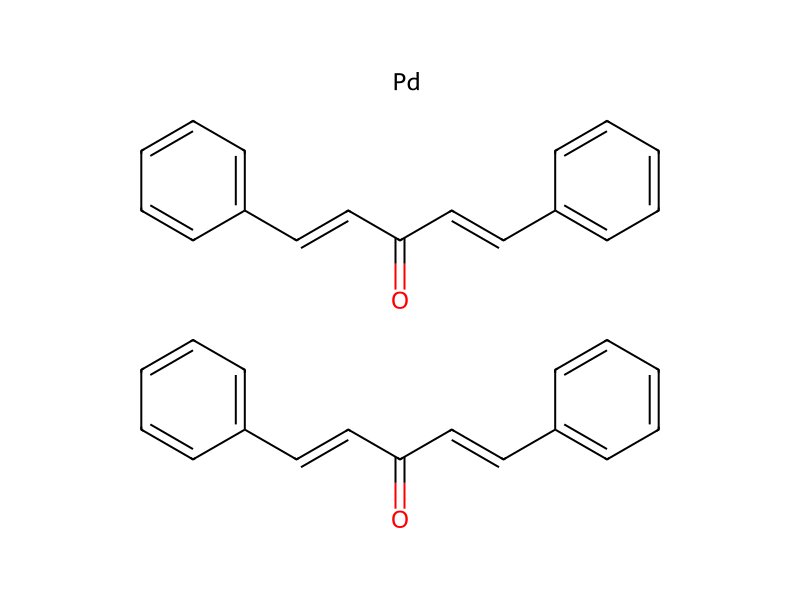
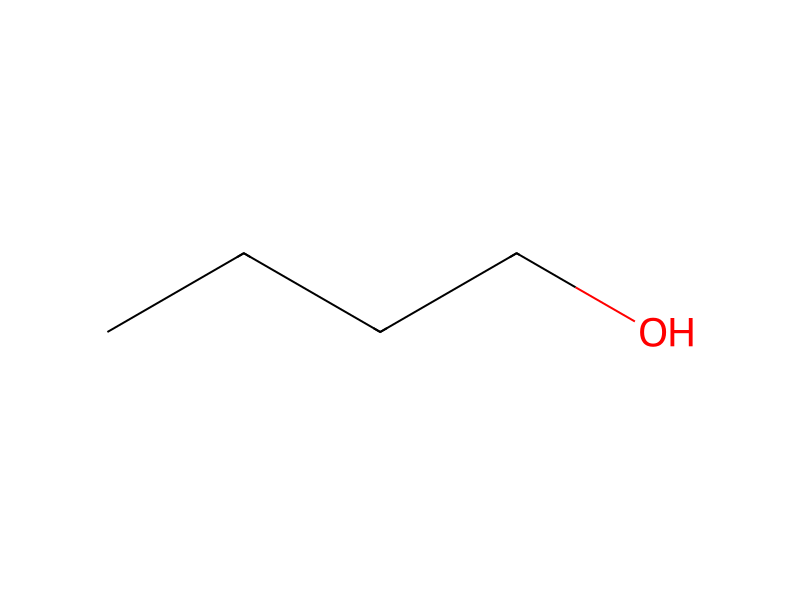
HCID 6505921(1E,4E)-1,5-diphenylpenta-1,4-dien-3-one; palladiumKatalysatorHCID 2631-ButanolLösungsmittelHCID 962WaterLösungsmittel2×HCID 8857Ethyl AcetateLösungsmittel

Reaktionsbedingungen

Temperatur
100 °C

Versuchsvorschrift

1-Methyl-3-[5-(morpholine-4-carbonyl)-pyridin-2-ylamino]-5-(4,4,5,5-tetramethyl-[1,3,2]dioxaborolan-2-yl)-1H-pyridin-2-one (208 mg, 1 eq), Acetic acid 2-bromo-6-(6-tert-butyl-1-oxo-3,4-dihydro-1H-isoquinolin-2-yl)-benzyl ester (203 mg, 0.472 mmol), XPHOS (14 mg, 0.06 eq), potassium phosphate tribasic (200 mg, 2 eq), n-butanol (2.8 mL) and water (0.93 mL) were charged to a 50 mL round bottom flask, and then nitrogen gas was bubbled through the mixture for 10 minutes, before adding Pd(dba)2 (8 mg, 0.03 eq). The resulting mixture was heated to 100° C. for 40 minutes, and by TLC analysis there was no starting material remaining The reaction mixture was cooled to room temperature and then added ethyl acetate (150 mL) and water (40 mL). Partitioned and separated the layers and washed further with water (2×40 mL) and then brine (1×40 mL). Finally, the ethyl acetate layer was dried over magnesium sulfate, filtered and concentrated and pumped to dryness to afford the title compound which was used in the next step without any further purification ((M+H)+=664).

Aufarbeitung

  1. customnitrogen gas was bubbled through the mixture for 10 minutes
  2. temperaturewas cooled to room temperature
  3. customPartitioned
  4. customseparated the layers
  5. washwashed further with water (2×40 mL)
  6. dry with materialFinally, the ethyl acetate layer was dried over magnesium sulfate
  7. filtrationfiltered
  8. concentrationconcentrated

Quellen und Nachweise

ORD-Eintrag
ord-3e33b9526df64c41ae7f09f2e2de86d1
Quelldatensatz
uspto-grants-2012_10
DOI
10.6084/m9.figshare.5104873.v1
Patentnummer
US08299077B2

Notizen zur Reaktion

Auf dieser SeiteKomponentenReaktionsbedingungenVersuchsvorschriftAufarbeitungQuellen und NachweiseNotizen zur Reaktion