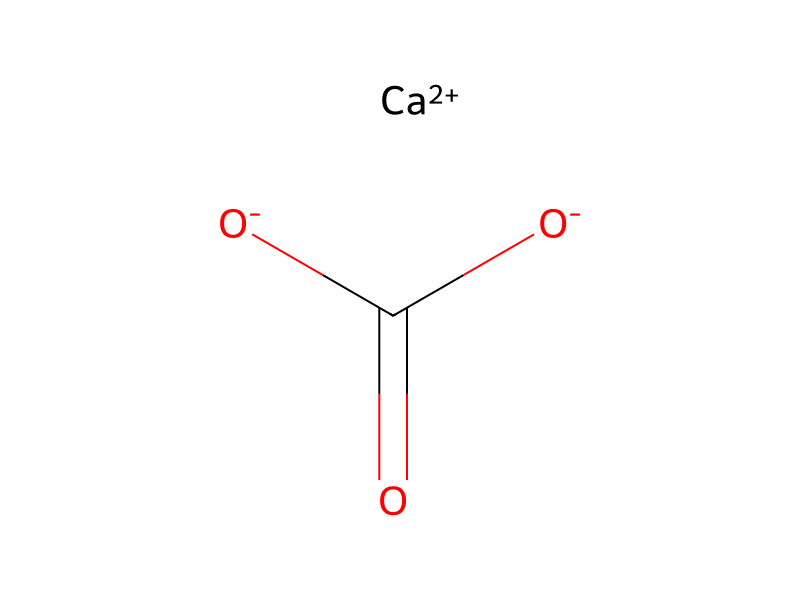
[Cl:1]Cl.[CH3:3][N:4]1[C:8]([C:9]([C:11]2[CH:16]=[CH:15][C:14]([CH3:17])=[CH:13][CH:12]=2)=[O:10])=[CH:7][CH:6]=[C:5]1[CH2:18][C:19]([O:21][CH3:22])=[O:20].C(=O)([O-])[O-].[Ca+2]>C(Cl)(Cl)Cl>[Cl:1][C:6]1[CH:7]=[C:8]([C:9]([C:11]2[CH:16]=[CH:15][C:14]([CH3:17])=[CH:13][CH:12]=2)=[O:10])[N:4]([CH3:3])[C:5]=1[CH2:18][C:19]([O:21][CH3:22])=[O:20]A solution of 4.26g (0.06 mole) of chlorine in 75 ml. of chloroform is added rapidly to a mixture of 16.2g. (0.06 mole) of methyl 1-methyl-5-(p-toluoyl)- pyrrole-2-acetate, 16g (0.12 mole) of calcium carbonate, and 0.48g. (0.003 mole) of ferric chloride in 75 ml. of chloroform. The temperature rose somewhat. After an hour, when the chlorine has been consumed, the solids are removed by filtration and the filtrate is evaporated in vacuo to yield a red oil. The oil is chromatographed on 2lb. of Silica (Mallinkrodt SILIC-AR CC-4) 100-200 mesh and eluted successively with hexane, benzene, and chloroform. The first compound-bearing fraction is eluted with chloroform. The solvent is evaporated and the residue is recrystallized from methanol to give white crystalline methyl 3-chloro-1-methyl-5-(p-toluoyl)pyrrole-2-acetate; m.p. 144°-146° C.