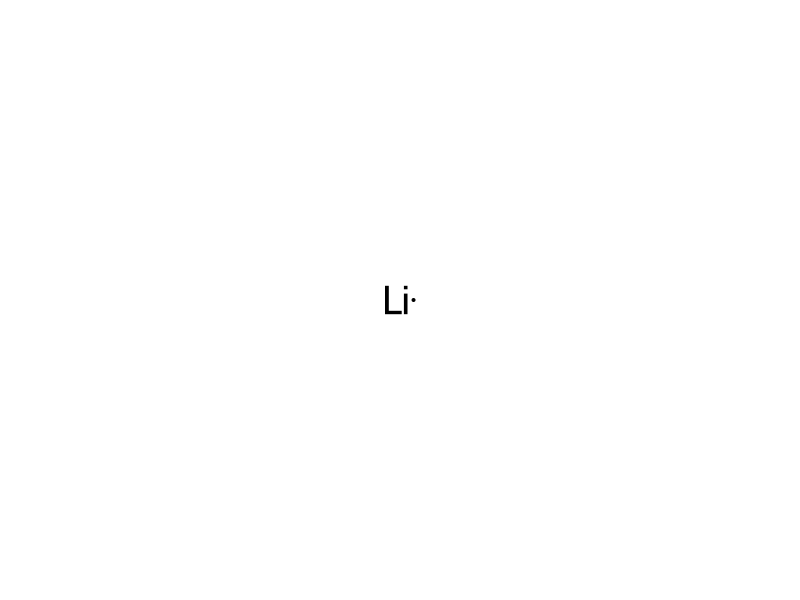
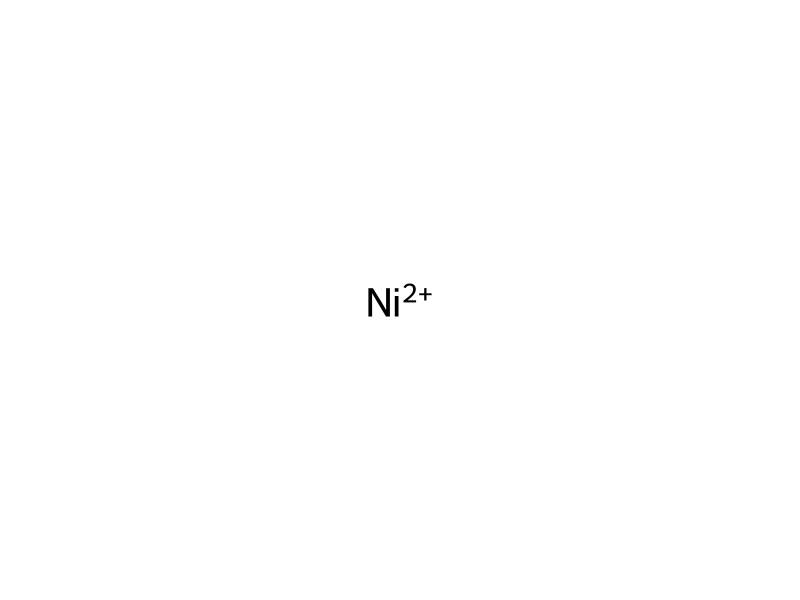
Br[CH2:2][CH2:3][C:4]1[CH:9]=[CH:8][C:7]([O:10][CH3:11])=[CH:6][CH:5]=1.[Li].[CH2:13]([C:17]1[CH:22]=[CH:21][C:20](Br)=[CH:19][N:18]=1)[CH2:14][CH2:15][CH3:16].Cl>C1COCC1.[Zn+2].[Br-].[Br-].[Ni+2].C1(C)C=CC=CC=1>[CH3:11][O:10][C:7]1[CH:8]=[CH:9][C:4]([CH2:3][CH2:2][C:20]2[CH:21]=[CH:22][C:17]([CH2:13][CH2:14][CH2:15][CH3:16])=[N:18][CH:19]=2)=[CH:5][CH:6]=1A mixture of 21.5 g of 2-bromo-1-(4-methoxyphenyl)ethane and 100 ml of toluene has added to it, under argon, 13.2 g of ZnBr2 and 1.4 g of lithium and is treated for 1 hour with ultrasound. A mixture of 21.4 g of 2-butyl-5-bromopyridine and 50 ml of toluene is then added, followed by a solution of 0.2 g of nickel(II) acetonylacetonate in 20 ml of THF. After a further hour 100 ml of dilute hydrochloric acid are added a little at a time, and the organic phase is worked up. Separation by column chromatography (silica gel, toluene) and recrystallization gives 5-(p-methoxyphenylethyl)-2-butylpyridine.