StartseiteMCPWorkbenchSkills
StartseiteWorkbenchBenachrichtigungenMein Bereich
llms.txt · MCP-AnleitungDatenschutz · Nutzungsbedingungen · Supportv1.8.3
  1. Startseite
  2. /Reaktion

Ethyl Acetate → HCID 178507747, Verbindung

HRID 2073341
Drucken

Reaktionsgleichung

Reaktionsgleichung von HRID 2073341
[C:1]1([C:9]2[CH:14]=[CH:13][C:12]([C:15]([C:17]3[CH:22]=[CH:21][C:20]([C:23]4[C:26]5[CH:27]=[CH:28][CH:29]=[CH:30][C:25]=5[CH:24]=4)=[C:19]([N+:31]([O-])=O)[CH:18]=3)=[O:16])=[CH:11][C:10]=2[N+:34]([O-])=O)[C:4]2[CH:5]=[CH:6][CH:7]=[CH:8][C:3]=2[CH:2]=1.C(OCC)(=O)C.C([O-])=O.[NH4+].[K+].[Br-]>[Pd].CO>[C:23]1([C:20]2[CH:21]=[CH:22][C:17]([C:15]([C:12]3[CH:13]=[CH:14][C:9]([C:1]4[C:4]5[CH:5]=[CH:6][CH:7]=[CH:8][C:3]=5[CH:2]=4)=[C:10]([NH2:34])[CH:11]=3)=[O:16])=[CH:18][C:19]=2[NH2:31])[C:26]2[CH:27]=[CH:28][CH:29]=[CH:30][C:25]=2[CH:24]=1
KomponentenVersuchsvorschriftAufarbeitungQuellen und NachweiseNotizen zur Reaktion

Komponenten

7

Edukt 4

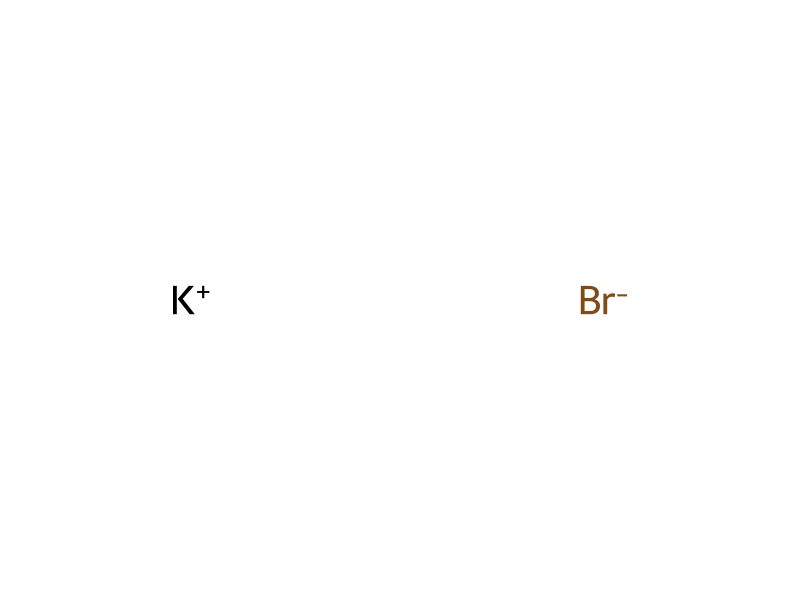
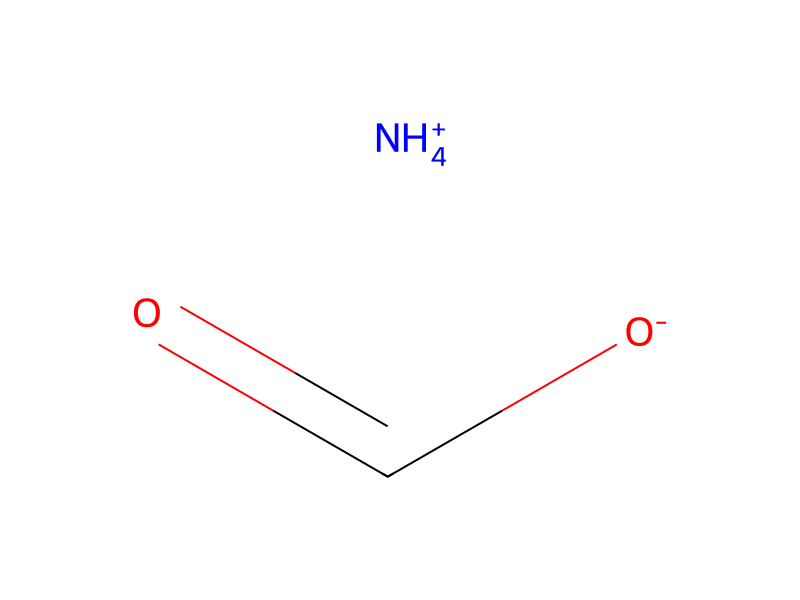
HCID 8857Ethyl AcetateHCID 253877Potassium BromideHCID 2723923Ammonium formateHCID 1785194024-Benzocyclobutenyl-3-nitrophenyl ketone

Produkt 1

HCID 178507747HCID 178507747, Verbindung

Reagenzien, Katalysatoren, Lösungsmittel 2

HCID 23938
Palladium
Katalysator
HCID 887MethanolLösungsmittel

Versuchsvorschrift

4-benzocyclobutenyl-3-nitrophenyl ketone (11.0 g, 43.4 mmol) was partially dissolved in a mixed solvent (30 ml of ethyl acetate and 70 ml of methanol in a 300 ml round-bottomed flask). To the suspension was added 0.95 g of 10% Pd/C followed by the addition of 13.0 g (206 mmol) of ammonium formate. The black reaction mixture was then stirred magnetically under an atmosphere of nitrogen at room temperature for about 3 hrs. The reaction mixture was then filtered through a bed of Celite and the solid residue was washed with methanol until the filtrate was colorless. The yellow-green filtrate was subsequently subjected to rotary evaporation. The resultant viscous amber liquid was mixed with about 50 ml of methylene chloride and the solution formed was washed with 2 portions (100 ml) of H2O. Finally, the methylene chloride extract was dried over anhydrous magnesium sulfate. After the removal of the drying agent and the solvent, a very viscous and amber liquid was isolated. Despite drying in the vacuum (70° C.) for more than 24 hours, it never solidified. Yield: 8.0 g. It was used in the subsequent synthesis without further purification. Mass Spectroscopy: M+, m/e= 223, 100%. IR(KBr pellet). ν(NH2) at 3365 vs and 3460s; ν(CO) at 1646 vs. Proton NMR (CDCl3, δ in ppm): 3.21 (singlet, 4H, alicyclic protons); 3.83 (singlet, 2H, NH2); 6.73-7.77 (multiplet, 7H, aromatic protons).


Aufarbeitung

  1. customThe black reaction mixture
  2. filtrationThe reaction mixture was then filtered through a bed of Celite
  3. washthe solid residue was washed with methanol until the filtrate
  4. customThe yellow-green filtrate was subsequently subjected to rotary evaporation
  5. additionThe resultant viscous amber liquid was mixed with about 50 ml of methylene chloride
  6. customthe solution formed
  7. washwas washed with 2 portions (100 ml) of H2O
  8. extractionFinally, the methylene chloride extract
  9. dry with materialwas dried over anhydrous magnesium sulfate
  10. customAfter the removal of the drying agent
  11. customthe solvent, a very viscous and amber liquid was isolated
  12. customDespite drying in the vacuum (70° C.) for more than 24 hours
  13. customIt was used in the subsequent synthesis without further purification

Quellen und Nachweise

ORD-Eintrag
ord-f73a9c0d7640401496c3846528a8b75e
Quelldatensatz
uspto-grants-1990_04
DOI
10.6084/m9.figshare.5104873.v1
Patentnummer
US04916235

Notizen zur Reaktion

Auf dieser SeiteKomponentenVersuchsvorschriftAufarbeitungQuellen und NachweiseNotizen zur Reaktion