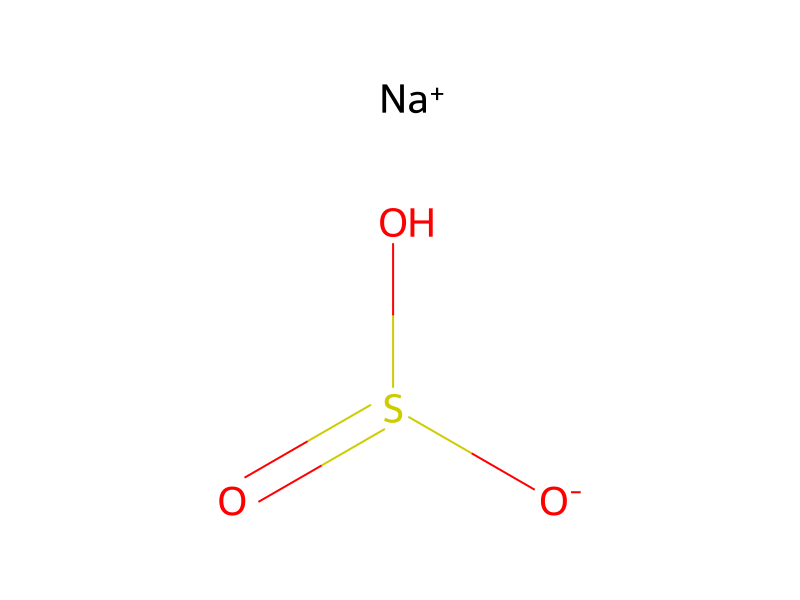
One hundred grams (0.67 mole) of sodium iodide was added to a well-stirred solution of 42.2 g (0.1 mole) of α,α,α',α'-tetrabromo-o-xylene and 13.5 g (0.173 mole) of fumaronitrile in 400 ml of anhydrous N,N-dimethylformamide, and the resulting mixture was stirred at 75° C. for about 7 hours in an atmosphere of nitrogen. After the reaction, the mixture was poured into about 2 kg of ice, and thereto was slowly added sodium hydrogen sulfite until the red-brown colored aqueous solution turned to light yellow. After adding a slightly excessive quantity of sodium hydrogen sulfite, the resulting mixture was stirred for a while and then allowed to stand overnight at room temperature. The deposited light yellow-colored solid product was collected by filtration with suction, thoroughly washed with water, and allowed to dry. The light yellow-colored solid product thus obtained was recrystallized from ethanol/chloroform mixture to obtain 13 g (73%) of 2,3-dicyanonaphthalene as a colorless crystalline material.