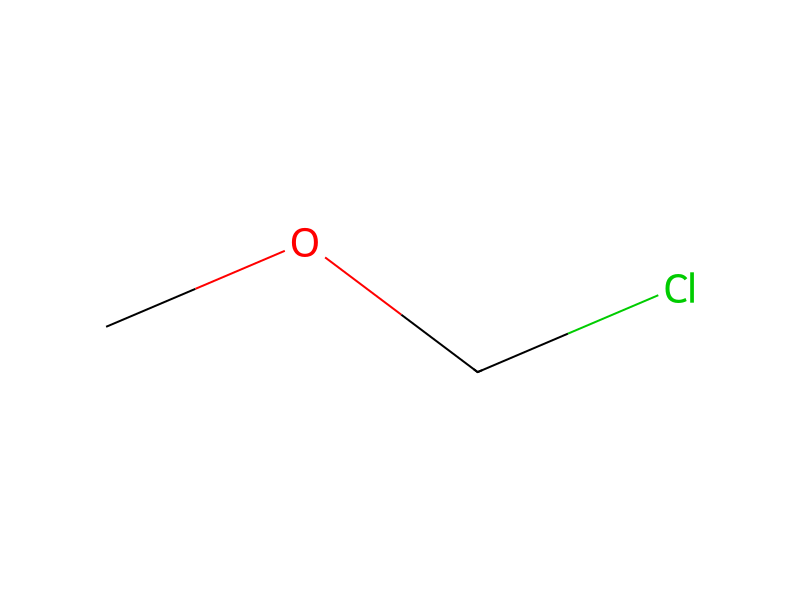
[OH:1][C:2]1[CH:3]=[C:4]([CH:8]=[CH:9][C:10]=1[CH3:11])[C:5]([OH:7])=[O:6].C(N(C(C)C)CC)(C)C.[CH3:21][O:22][CH2:23]Cl>ClCCl>[CH3:21][O:22][CH2:23][O:1][C:2]1[CH:3]=[C:4]([CH:8]=[CH:9][C:10]=1[CH3:11])[C:5]([OH:7])=[O:6]In a similar manner to Step 1 of Example 347, 3-hydroxy-4-methylbenzoic acid (2.00 g, 13.1 mmol) was suspended in dichloromethane (50 mL), and the suspension was treated with diisopropylethylamine (13.7 mL, 78.6 mmol) and chloromethyl methyl ether (5.00 mL, 65.8 mmol). The solvent was evaporated under reduced pressure. The residue was dissolved in methanol (50 mL), and the solution was treated with 2 mol/L aqueous potassium hydroxide solution (50 mL). The solvent was evaporated under reduced pressure. The residue was added with 4 mol/L hydrochloric acid and extracted with ethyl acetate. The organic layer was washed with saturated brine and dried over anhydrous sodium sulfate. The solvent was evaporated under reduced pressure to obtain 3-methoxymethoxy-4-methylbenzoic acid (2.69 g).
Wird geladen…