Pyridine → 2-Methylcyclopentyl 4-methylbenzene-1-sulfonate
HRID 21489
Reaktionsgleichung

[CH3:1][CH:2]1[CH2:6][CH2:5][CH2:4][CH:3]1[OH:7].[C:8]1([CH3:18])[CH:13]=[CH:12][C:11]([S:14](Cl)(=[O:16])=[O:15])=[CH:10][CH:9]=1.N1C=CC=CC=1>O>[C:8]1([CH3:18])[CH:13]=[CH:12][C:11]([S:14]([O:7][CH:3]2[CH2:4][CH2:5][CH2:6][CH:2]2[CH3:1])(=[O:16])=[O:15])=[CH:10][CH:9]=1Komponenten
5
Edukt 3

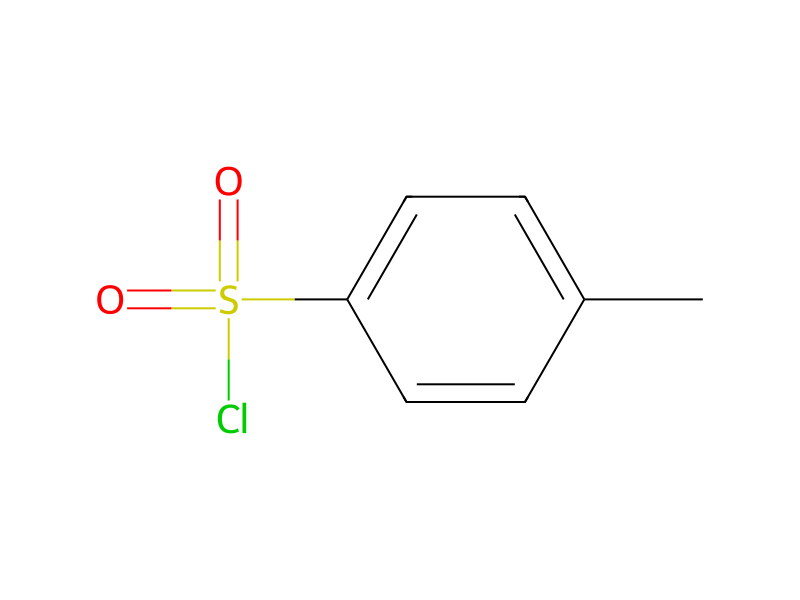

Produkt 1

Reagenzien, Katalysatoren, Lösungsmittel 1

Versuchsvorschrift
2-Methylcyclopentanol (21.06 g, 0.210 mol) and p-toluenesulfonyl chloride (48.3 g, 0.252 mol) were charged into a 500 cc three-necked flask equipped with a stirrer, and then pyridine (170 ml) was added dropwise thereto under ice-cooling. The mixture was stirred for 10 hours while gradually elevating the temperature to room temperature. After completion of the reaction, cold water (500 ml) was added to the reaction mixture, and the mixture was extracted with ether (200 ml×3). The organic layers were combined, washed successively with 2N hydrochloric acid, water and a saturated aqueous solution of sodium chloride, and dried with anhydrous magnesium sulfate. The drying agent was separated by filtration, and the solvent was distilled off under reduced pressure to obtain substantially pure 2-methylcyclopentyl p-toluenesulfonate as a colorless transparent oily substance (49.7 g, 0.195 mol, 934 yield).