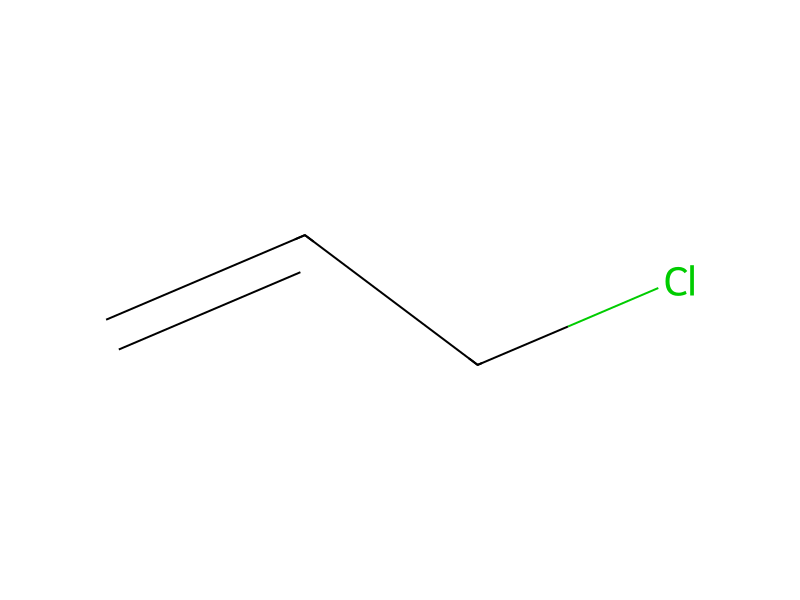
[OH-].[Na+].[C:3]([C:7]1[CH:12]=[CH:11][CH:10]=[C:9]([C:13]([CH3:16])([CH3:15])[CH3:14])[C:8]=1[OH:17])([CH3:6])([CH3:5])[CH3:4].[Br-].[K+].[CH2:20](Cl)[CH:21]=[CH2:22].Cl>CCCCCCCC[N+](CCCCCCCC)(CCCCCCCC)C.[Cl-].O.C1(C)C=CC=CC=1>[CH2:22]([C:11]1[CH:12]=[C:7]([C:3]([CH3:6])([CH3:5])[CH3:4])[C:8]([OH:17])=[C:9]([C:13]([CH3:16])([CH3:15])[CH3:14])[CH:10]=1)[CH:21]=[CH2:20]80 g (2 mols) of powdered sodium hydroxide are added, at about 35° C. under a stream of nitrogen gas, to a mixture of 412 g (2 mols) of 2,6-di-tert.-butylphenol, 67.5 g (0.128 mol) of tricaprylmethylammonium chloride, 15 g (0.126 mol) of potassium bromide and 400 ml of toluene, and the mixture is heated to 50° C. in the course of 15 minutes. 199 g (2.6 mols) of allyl chloride are added dropwise to the suspension in the course of 30 minutes. The suspension is stirred for 4 hours at 48° to 53° C. 400 ml of water and 5 ml of 36 percent by volume aqueous hydrochloric acid are added with stirring, and the aqueous phase is then separated off. The organic phase is dried over anhydrous sodium sulfate and freed from toluene in vacuo at 10 to 150 mm Hg. The 4-allyl-2,6 -di-tert.-butylphenol obtained in this way in a very high yield can be used without further purification as a lubricant additive.