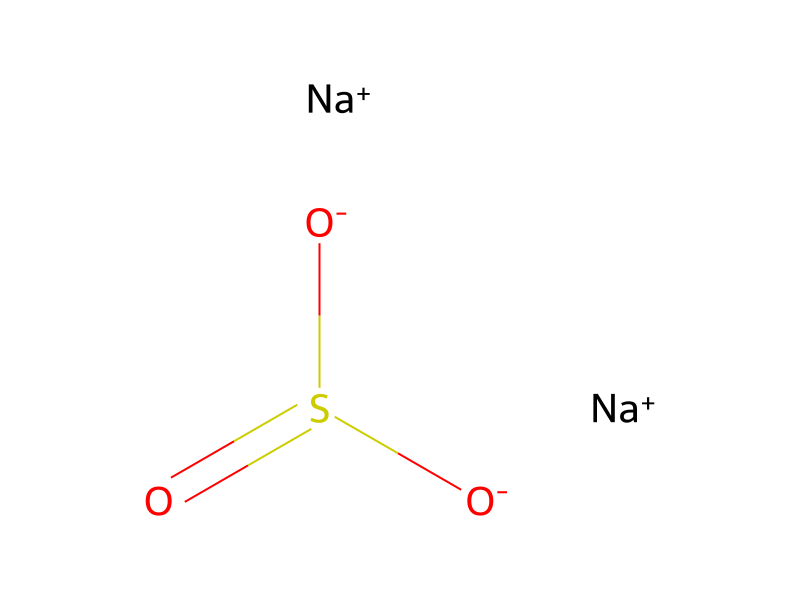
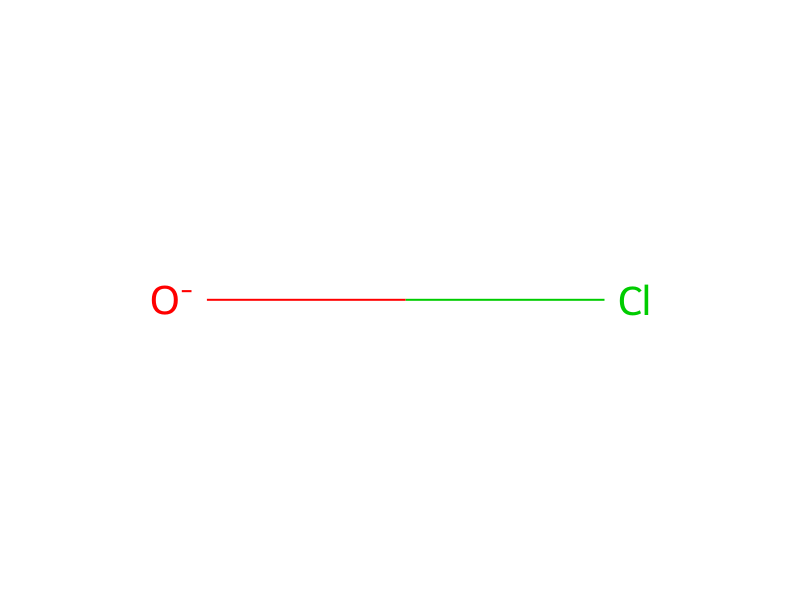
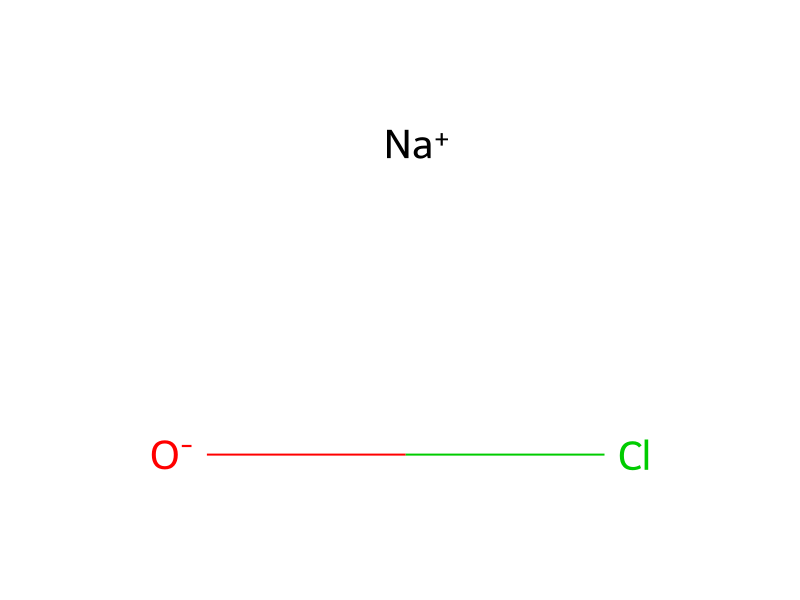
A 2-L Morton flask with overhead stirrer, thermocouple and addition funnel was charged with 2-cyclopropyl-1,6-dihydro-6-oxo-4-pyrimidinecarboxylic acid (161 g, 0.90 mol), hydrochloric acid (37 wt. % in water, 300 g, 250 mL, 3 mol) and water (400 mL). The reaction mixture was stirred at 5-10° C., and sodium hypochlorite (14 wt % aqueous solution, 522 g, 0.99 mol) was added over 2 h. The reaction mixture was maintained at 10-12° C. for 1 h until a KI-starch paper test using sodium sulfite showed no remaining hypochlorite. The resulting mixture was cooled and filtered. The collected solid was washed with cold water (160 mL), and dried to constant weight in a vacuum-oven at 50° C. to give 169 g (88% yield) of the title compound as a solid melting at 189-190° C.