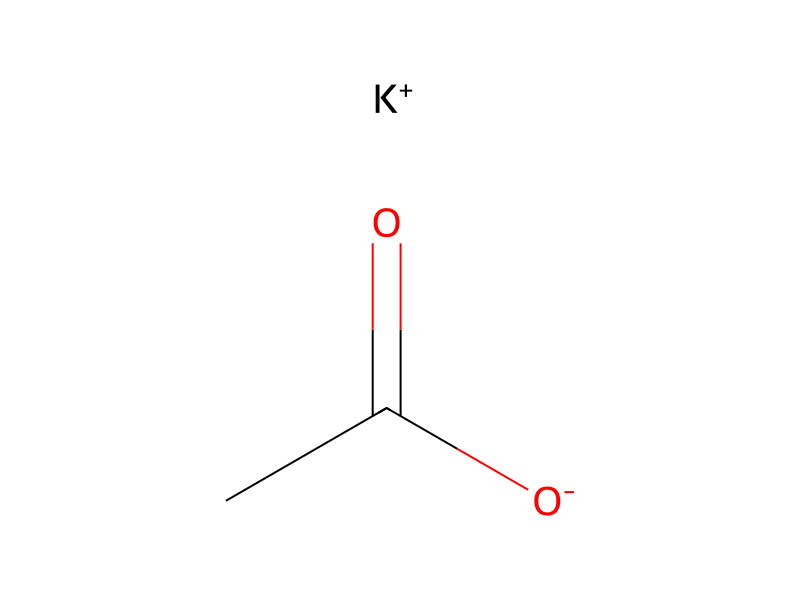
To a solution of (5-Bromo-2-chloro-pyrimidin-4-yl)cyclopentylamine (1 g, 3.616 mmol) is added lithium chloride (153.7 mg, 3.616 mmol) and potassium acetate (887.12 mg, 9.03 mmol) in DMF (50 mL). The solution is degassed and back-filled with N2. Palladium(II) acetate (40.6 mg, 0.18 mmol) is added and the solution is degassed and back-filled with nitrogen three times. 3-pentyn-2-ol (1.0 mL, 10.8 mmol) is added and the reaction solution is heated at 120° C. for 5 hours. LC-MS analysis indicated the absence of starting material and the formation of a pair of regio-isomeric products. After cooling to room temperature, the mixture is filtered through Celite, diluted with water, and extracted with ethyl acetate EtOAc three times. The organic layers are combined, washed with brine and dried over anhydrous sodium sulfate. The solvent is evaporated and the crude material is purified using silica gel chromatography (30% ethyl acetate/70% hexanes to give 1-(2-Chloro-7-cyclopentyl-5-methyl-7H-pyrrolo[2,3-d]pyrimidin-6-yl)-ethanol as a pale powder (150 mg, 14.8%). [M+H]+=280.07.