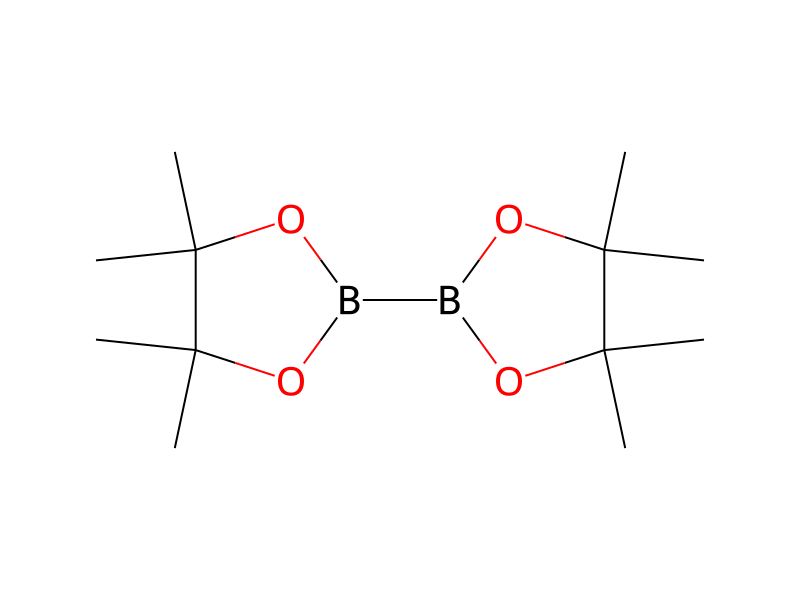
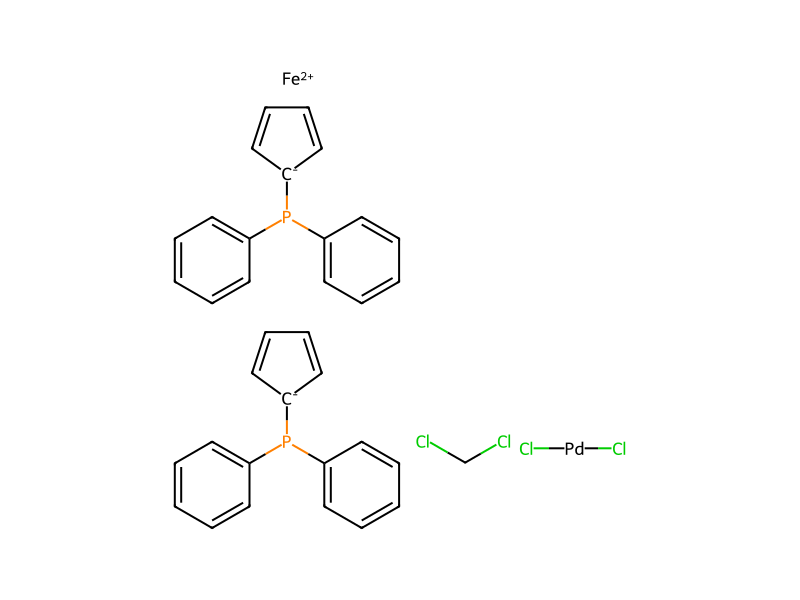
In a 300 mL sealed tube under N2 were dissolved potassium acetate (20 g, 207 mmol), 5-bromo-2-chloronicotinonitrile (15 g, 69 mmol), 4,4,5,5-tetramethyl-2-(4,4,5,5-tetramethyl-1,3,2-dioxaborolan-2-yl)-1,3,2-dioxaborolane (21 g, 83 mmol) and PdCl2(dppf)-CH2Cl2 Adduct (1.7 g, 2.1 mmol) in 150 mL of p-dioxane then stirred and heated at 85° C. for 2 hrs. After completion, the reaction was cooled to 0° C. and treated with hydrogen peroxide (31.5%) (22 ml, 207 mmol) then stirred at rt for 1 hr. The reaction mixture was diluted with DCM (100 mL) then water was added (200 mL). The aqueous phase was extracted 3 times with DCM (100 mL), then the organic layer was washed with saturated sodium thiosulfate solution (300 mL). The organics were then dried over Na2SO4, filtered and concentrated under reduced pressure. The crude 2-chloro-5-hydroxynicotinonitrile (7.5 g, 70% yield) was carried through crude to the next step.