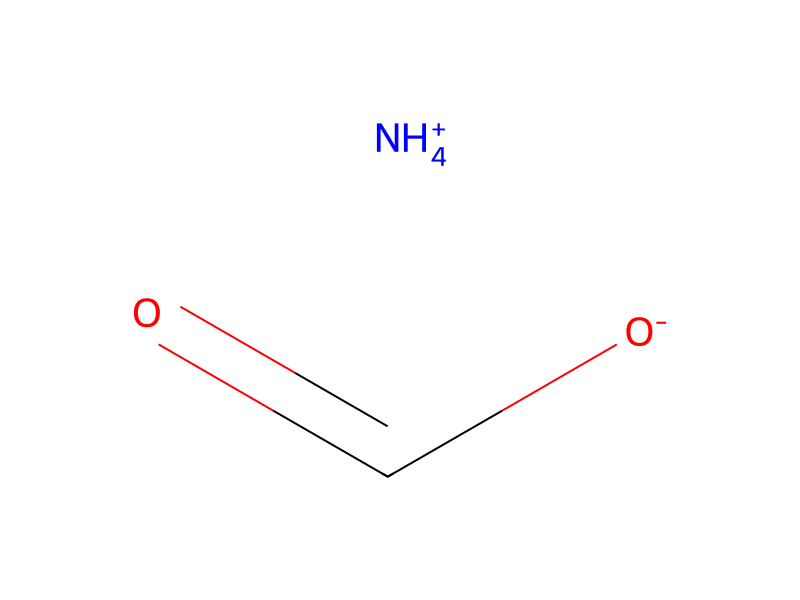
Cl[C:2]1[N:3]=[N:4][C:5]2[CH2:6][O:7][C:8]3[C:13]([C:14]=2[CH:15]=1)=[CH:12][CH:11]=[C:10]([NH:16][C:17](=[O:22])[C:18]([CH3:21])([CH3:20])[CH3:19])[C:9]=3[C:23]([O:25][CH3:26])=[O:24].C([O-])=O.[NH4+]>[Pd].C(O)C>[CH3:19][C:18]([CH3:21])([CH3:20])[C:17]([NH:16][C:10]1[C:9]([C:23]([O:25][CH3:26])=[O:24])=[C:8]2[C:13]([C:14]3[CH:15]=[CH:2][N:3]=[N:4][C:5]=3[CH2:6][O:7]2)=[CH:12][CH:11]=1)=[O:22]A suspension of methyl 3-chloro-7-(2,2-dimethylpropionylamino)-10H-9-oxa-1,2-diazaphenanthrene-8-carboxylate (Intermediate 8, 1.01 g), ammonium formate (0.848 g) and 10% palladium on carbon (0.150 g) in ethanol (60 mL) was stirred and heated at reflux under nitrogen for one hour. After cooling, the suspension was filtered and the filtrate was evaporated. The residue was dissolved in ethyl acetate and washed with water (with warming to dissolve all of the solid), dried (Na2SO4) and filtered. The filtrate was evaporated in vacuo and the residue was triturated with ether. The solid was collected by filtration and purified by chromatography on silica, eluting with ethyl acetate to give methyl 7-(2,2-dimethylpropionylamino)-10H-9-oxa-1,2-diazaphenanthrene-8-carboxylate (0.705 g) as a white solid.