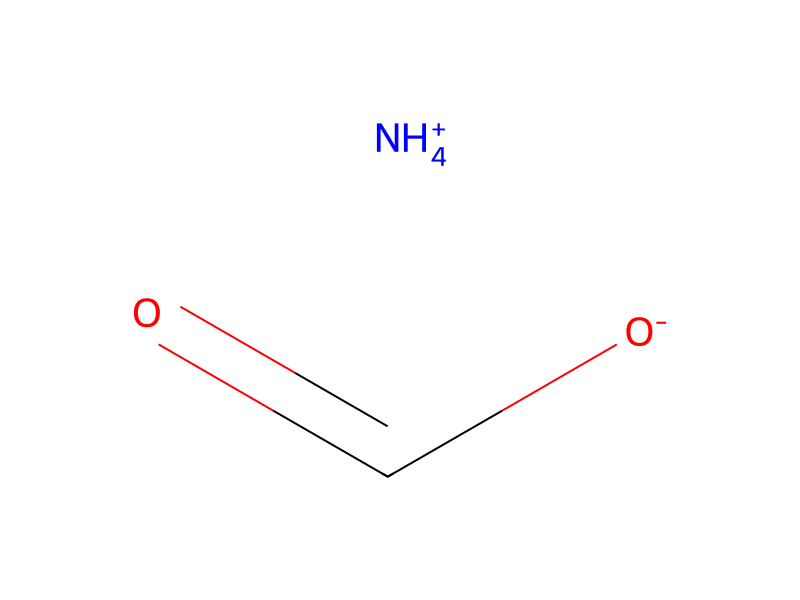
C([O:8][C:9]1[CH:10]=[CH:11][C:12]2[C:13]3[N:21]([CH2:22][CH:23]([CH3:25])[CH3:24])[C:20]([CH2:26][CH2:27][CH3:28])=[N:19][C:14]=3[CH:15]=[N:16][C:17]=2[CH:18]=1)C1C=CC=CC=1.C([O-])=O.[NH4+]>[Pd].C(O)C>[CH3:24][CH:23]([CH3:25])[CH2:22][N:21]1[C:13]2[C:12]3[CH:11]=[CH:10][C:9]([OH:8])=[CH:18][C:17]=3[N:16]=[CH:15][C:14]=2[N:19]=[C:20]1[CH2:26][CH2:27][CH3:28]7-Benzyloxy-1-(2-methylpropyl)-2-propyl-1H-imidazo[4,5-c]quinoline (60.3 g, 0.188 mol), prepared as described in Parts A-G of Example 1, and 10% palladium on carbon (10 g) were mixed with ethanol (500 mL). Ammonium formate (101.53 g, 1.61 mol) and ethanol (500 mL) were then added, and the reaction mixture was heated at reflux for two hours. The mixture was allowed to cool to ambient temperature slowly and stirred overnight. The reaction mixture was filtered through a layer of CELITE filter aid, and the filter cake was washed with ethanol (1 L), methanol (2 L) and dichloromethane (2 L). The combined filtrates were concentrated under reduced pressure to provide a tan solid, which was triturated with cold ethanol and isolated by filtration to yield 30 g of 1-(2-methylpropyl)-2-propyl-1H-imidazo[4,5-c]quinolin-7-ol as a tan, granular solid.