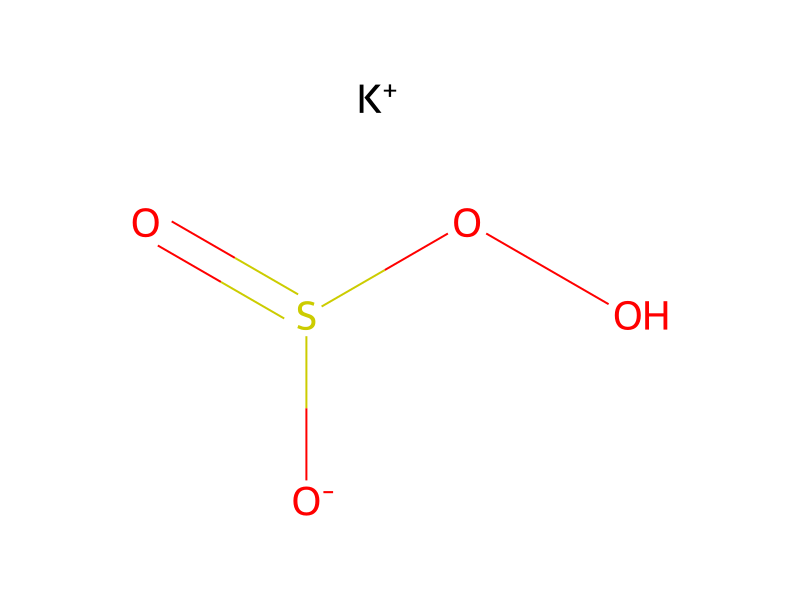
[C:1]1(S)[C:10]2[C:5](=[CH:6][CH:7]=[CH:8][CH:9]=2)[CH:4]=[CH:3][CH:2]=1.[CH:12]1(Br)[CH2:15][CH2:14][CH2:13]1.C(=O)([O-])[O-].[K+].[K+].C(=O)(O)[O-].[K+].C1OCCOCCOCCOCCOCCOC1.O[O:47][S:48]([O-:50])=O.[K+]>O.CC(C)=O.ClCCl.C(#N)C>[CH:12]1([S:48]([C:9]2[C:10]3[C:5](=[CH:4][CH:3]=[CH:2][CH:1]=3)[CH:6]=[CH:7][CH:8]=2)(=[O:50])=[O:47])[CH2:15][CH2:14][CH2:13]1A mixture of naphthalene-1-thiol (1.17 g, 7.3 mmol), cyclobutyl bromide (1.45 g, 10.7 mmol), potassium carbonate (1.06 g, 7.7 mmol) and acetonitrile (20 ml) was stirred at 70° C. for 40 hours. the mixture was poured into water and extracted into ethyl acetate. The combined organic extracts were dried (Na2SO4) and concentrated. The residue was treated with dichloromethane (30 ml), acetone (5 ml), 10% aqueous potassium bicarbonate and 18-crown-6 (100 mg, 0.4 mmol) and a solution of Oxone™ (10 g) in water (100 ml) was added. After completion, the layers were separated and the aqueous phase was extracted with dichloromethane. The combined organic extracts were dried (Na2SO4) and concentrated. The residue was purified on silica (i-hexane-ethyl acetate) to give the title product (257 mg, 14%).