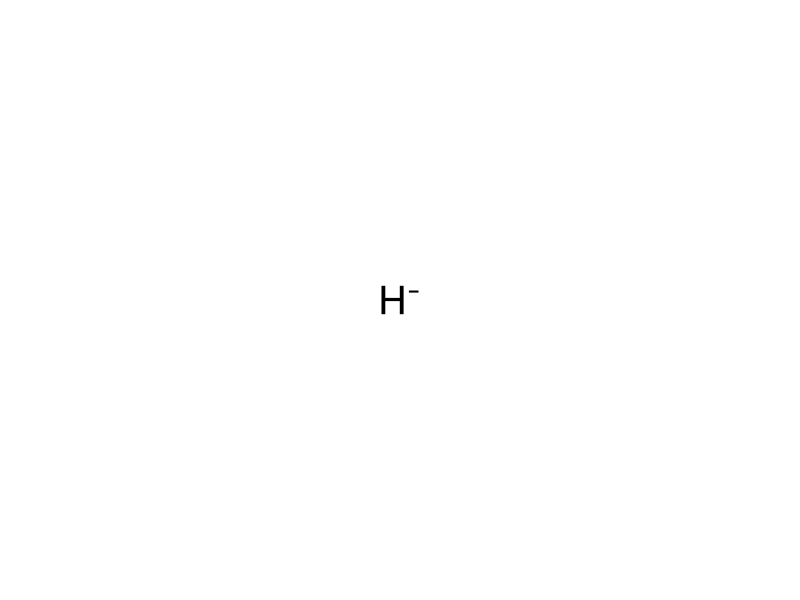
C([O:3][C:4]([C:6]1[CH:15]=[C:14]([O:16][S:17]([C:20]([F:23])([F:22])[F:21])(=[O:19])=[O:18])[C:13]2[C:8](=[CH:9][CH:10]=[CH:11][CH:12]=2)[N:7]=1)=O)C.[H-].CO.O>C1(C)C=CC=CC=1>[F:23][C:20]([F:21])([F:22])[S:17]([O:16][C:14]1[C:13]2[C:8](=[CH:9][CH:10]=[CH:11][CH:12]=2)[N:7]=[C:6]([CH:4]=[O:3])[CH:15]=1)(=[O:18])=[O:19]To a solution of 4-trifluoromethanesulfonyloxy-quinoline-2-carboxylic acid ethyl ester (4.5 g, 12.88 g) in toluene (80 mL) was added slowly under argon at −78° C. diisobuthylaluminum hydride (1.5M in toluene, 12.88 mL, 19.33 mmol). The reaction mixture was stirred at −78° C. for 1 hour. Methanol (13 mL) was added slowly followed by water (26 mL). The reaction mixture was slowly warmed up to room temperature extracted with ethylacetate and washed with brine, dried over magnesium sulfate, filtered and evaporated. The residue was purified on silica gel (5–10% ethylacetate in hexane) to give 2.9 g of 4-trifluoromethanesulfonyloxy-quinoline-2-carbaldehyde (74%). 1H NMR (300 MHz; DMSO-d6): 8–8.2 (m, 4 H), 8.43 (m, 1 H), 10.05 (s, 1H).