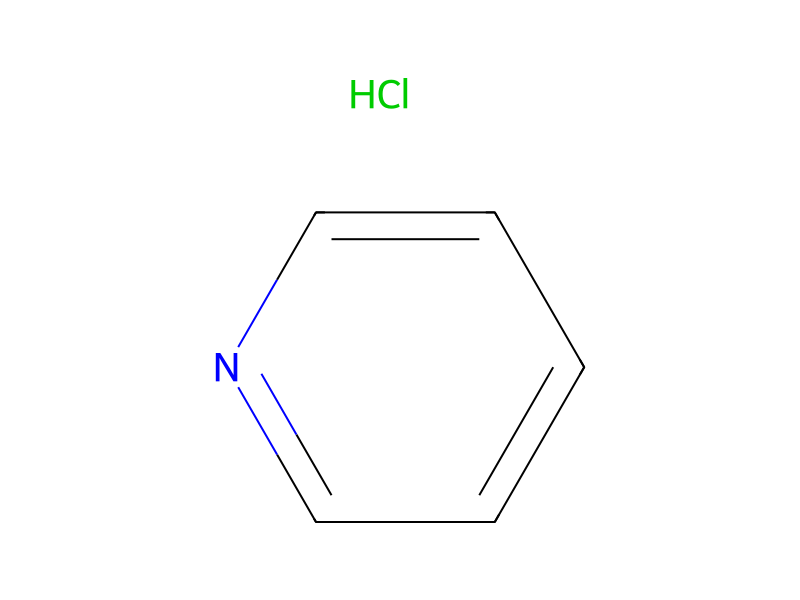
[Cl:1][C:2]1[C:7]([C:8]#[N:9])=[CH:6][N:5]=[C:4]2[C:10]3[CH:16]=[C:15]([N+:17]([O-:19])=[O:18])[CH:14]=[CH:13][C:11]=3[S:12][C:3]=12.C(OC[CH2:24][OH:25])C.Cl[C:27]1[C:33](OC)=[CH:32][C:30]([NH2:31])=[C:29](C)[CH:28]=1.Cl.N1C=CC=C[CH:39]=1>>[Cl:1][C:2]1[C:7]([C:8]#[N:9])=[C:6]([CH3:39])[N:5]=[C:4]2[C:10]3[CH:16]=[C:15]([N+:17]([O-:19])=[O:18])[CH:14]=[C:13]([NH:31][C:30]4[CH:32]=[CH:33][CH:27]=[CH:28][CH:29]=4)[C:11]=3[SH:12]([O:25][CH3:24])[C:3]=12A solution of 286 mg (0.99 mmol) of 4-chloro-8-nitrobenzo[4,5]thieno[3,2-b]pyridine-3-carbonitrile in 10 mL of 2-ethoxyethanol containing 131 mg (1.42 mmol) of 4-chloro-5-methoxy-2-methylaniline (WO 8501939A1) and 131 mg of pyridine hydrochloride is heated at reflux temperature overnight. The reaction mixture is cooled slightly and an additional 100 mg (0.58 mmol) of 4-chloro-5-methoxy-2-methylaniline is added and the reaction mixture is heated at reflux temperature overnight. The mixture is cooled to room temperature and the solid is collected by filtration, then suspended in methanol. Aqueous ammonium hydroxide is added and the mixture is partitioned between ethyl acetate and water. The organic layer is washed with water, then dried over magnesium sulfate, filtered and concentrated in vacuo. Diethyl ether is added to the residue and the resultant solid is collected by filtration, and washed with diethyl ether to give 110 mg (26%) of a tan solid, mp>305° C.