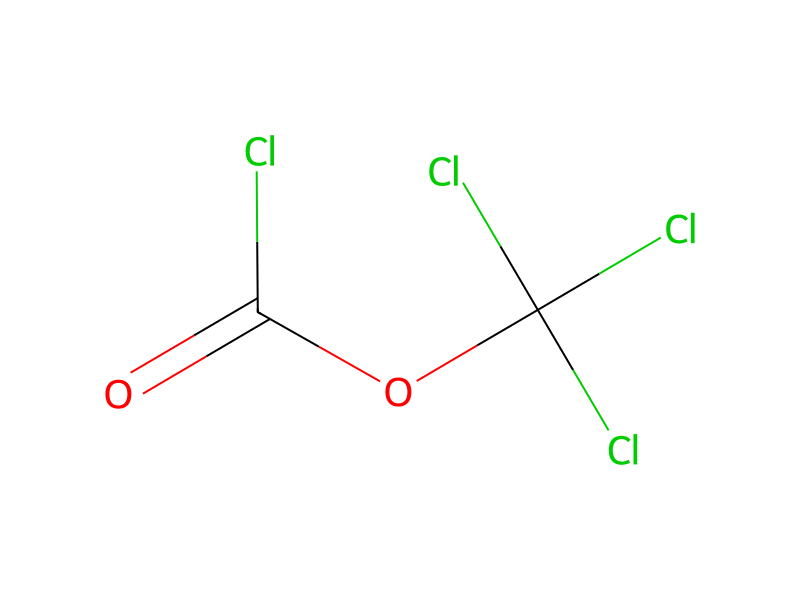
[CH2:1]([O:8][C:9](=[O:19])[C@H:10]([CH2:12][C:13]1[CH:18]=[CH:17][CH:16]=[CH:15][CH:14]=1)[NH2:11])[C:2]1[CH:7]=[CH:6][CH:5]=[CH:4][CH:3]=1.O=C(Cl)[O:22][C:23](Cl)(Cl)Cl.[CH4:28]>C1(C)C=CC=CC=1>[CH2:1]([O:8][C:9](=[O:19])[C@@H:10]([NH:11][C:23]([N:11]1[CH2:10][CH2:12][CH2:13][CH2:14][CH2:15][CH2:28]1)=[O:22])[CH2:12][C:13]1[CH:18]=[CH:17][CH:16]=[CH:15][CH:14]=1)[C:2]1[CH:3]=[CH:4][CH:5]=[CH:6][CH:7]=1A solution of phenylalanine benzyl ester (8.80 g, 23.4 mmol) in toluene was treated with diphosgene (4.63 g, 23.4 mmol) and activated charcoal (100 mg). The resulting suspension was heated at reflux for 4.5 hours then cooled to room temperature and stirred overnight. The reaction mixture was filtered through celite and concentrated. The residue was dissolved in EtOAc, cooled to 0° C. and treated with hexamethyleneimine (2.32 g, 23.4 mmol) and stirred for 2 hours. Additional hexamethyleneimine (1.0 mL) was added and the reaction mixture warmed to room temperature and stirred overnight. The reaction mixture was washed with 1N HCl solution, brine, dried (MgSO4) and concentrated. The residue was purified by chromatography (silica gel, gradient elution 4:1 hexane/EtOAc to 1:1 hexane/EtOAc) to give the title compound as a white solid (3.94 g, 44%).