StartseiteMCPSkillsWorkbenchOpenChem
StartseiteWorkbenchBenachrichtigungenMein Bereich
llms.txt · skill.md · MCP-AnleitungDatenschutz · Nutzungsbedingungen · Supportv1.8.4
  1. Startseite
  2. /Reaktion

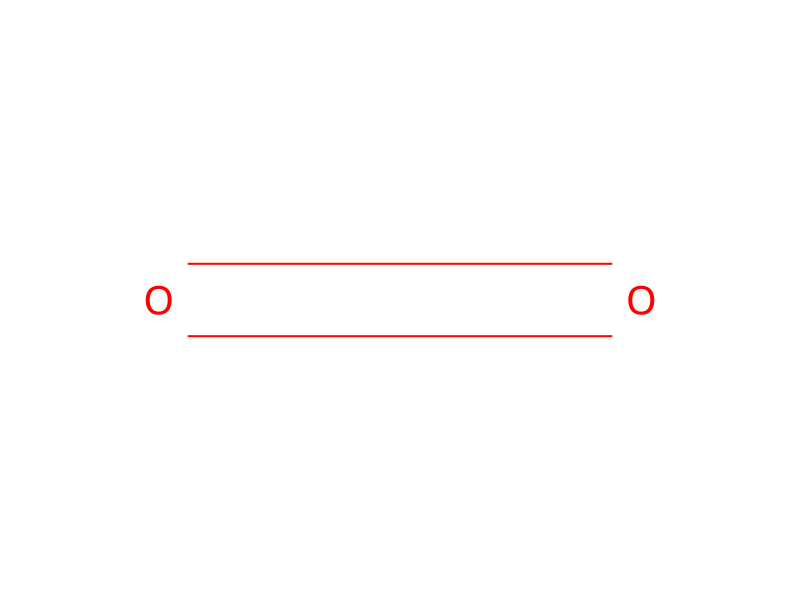
Oxygen → HCID 14987203, Verbindung

HRID 2248308
Drucken

Reaktionsgleichung

[CH:1]1(Br)[CH2:3][CH2:2]1.C([Li])(C)(C)C.[Br:10][C:11]1[CH:12]=[C:13]([CH:15]=[CH:16][C:17]=1[F:18])[NH2:14].C([Li])CCC.C1([Li])CC1.CCOCC.O=O.[OH-].[NH4+].[Cl-].[NH4+]>O1CCCC1>[CH:1]1([NH:14][C:13]2[CH:15]=[CH:16][C:17]([F:18])=[C:11]([Br:10])[CH:12]=2)[CH2:3][CH2:2]1
KomponentenReaktionsbedingungenVersuchsvorschriftAufarbeitungQuellen und NachweiseNotizen zur Reaktion

Komponenten

10

Edukt 8

HCID 977OxygenHCID 14923Ammonium HydroxideHCID 25517Ammonium ChlorideHCID 78037BromocyclopropaneHCID 27792863-Bromo-4-fluoroanilineHCID 178418306HCID 178418306, VerbindungHCID 178418339Butyllithium
HCID 178467904
HCID 178467904, Verbindung

Produkt 1

HCID 14987203HCID 14987203, VerbindungAusbeute 28,9 %

Reagenzien, Katalysatoren, Lösungsmittel 1

HCID 8028TetrahydrofuranLösungsmittel

Reaktionsbedingungen

Temperatur
-78 °C

Versuchsvorschrift

To a flame dried flask containing 60 ml of anhydrous ethyl ether was added 5.63 g (46.5 mmoles) of cyclopropylbromide, and then the mixture was cooled to -78° C. under a nitrogen atmosphere. Then, 27.4 ml (46.5 mmoles) of 1.7M t-butyllithium was added slowly. The mixture was then warmed to -40° C. Into another flame dried flask was placed 2.95 g (15.5 mmoles) of 3-bromo-4-fluoroaniline and 50 ml of anhydrous tetrahydrofuran. This mixture was also cooled to -78° C. under nitrogen atmosphere. Then, 9.7 ml (15.5 mmoles) of 1.6M n-butyllithium was added to the second mixture which was stirred at -78° C. for 25 minutes followed by the addition of 1.39 g (15.5 mmoles) of cuprous cyanide. The mixture was then warmed to -40° C., stirred for 30 minutes at -40° C. and then cooled to -78° C. Then, the anilinocuprate was added via inverse addition by a cannula to the cyclopropyllithium/ether solution at -78° C. The reaction mixture was warmed to room temperature and maintained at room temperature overnight followed by heating to 35° C. in an oil bath for about 9 hours. The mixture was cooled to -78° C., oxygen was added for 5 minutes and then 100 ml of 1:1 concentrated ammonium hydroxide/saturated ammonium chloride was added. The mixture was warmed to room temperature, and the organic layer was washed three times with 1:1 ammonium hydroxide/ammonium chloride and twice with saturated brine. The resulting solution was dried over anhydrous sodium sulfate, suction filtered, concentrated in vacuo and column chromatographed on silica gel (20% ethyl acetate/hexanes, 1% triethylamine) to give the title compound as two components [1.03 g (28.9% yield) and 1.30 g (44.1%) yield].

Aufarbeitung

  1. customTo a flame dried flask
  2. additioncontaining 60 ml of anhydrous ethyl ether
  3. temperatureThe mixture was then warmed to -40° C
  4. customInto another flame dried flask
  5. temperatureThis mixture was also cooled to -78° C. under nitrogen atmosphere
  6. temperatureThe mixture was then warmed to -40° C.
  7. stirringstirred for 30 minutes at -40° C.
  8. temperaturecooled to -78° C
  9. temperatureThe reaction mixture was warmed to room temperature
  10. temperaturemaintained at room temperature overnight
  11. temperatureby heating to 35° C. in an oil bath for about 9 hours
  12. temperatureThe mixture was cooled to -78° C.
  13. temperatureThe mixture was warmed to room temperature
  14. washthe organic layer was washed three times with 1:1 ammonium hydroxide/ammonium chloride
  15. dry with materialThe resulting solution was dried over anhydrous sodium sulfate, suction
  16. filtrationfiltered
  17. concentrationconcentrated in vacuo and column
  18. customchromatographed on silica gel (20% ethyl acetate/hexanes, 1% triethylamine)

Quellen und Nachweise

ORD-Eintrag
ord-1a35ed734b5148f8aa15d3aa2cfae6b8
Quelldatensatz
uspto-grants-1991_08
DOI
10.6084/m9.figshare.5104873.v1
Patentnummer
US05039682

Notizen zur Reaktion

Auf dieser SeiteKomponentenReaktionsbedingungenVersuchsvorschriftAufarbeitungQuellen und NachweiseNotizen zur Reaktion



