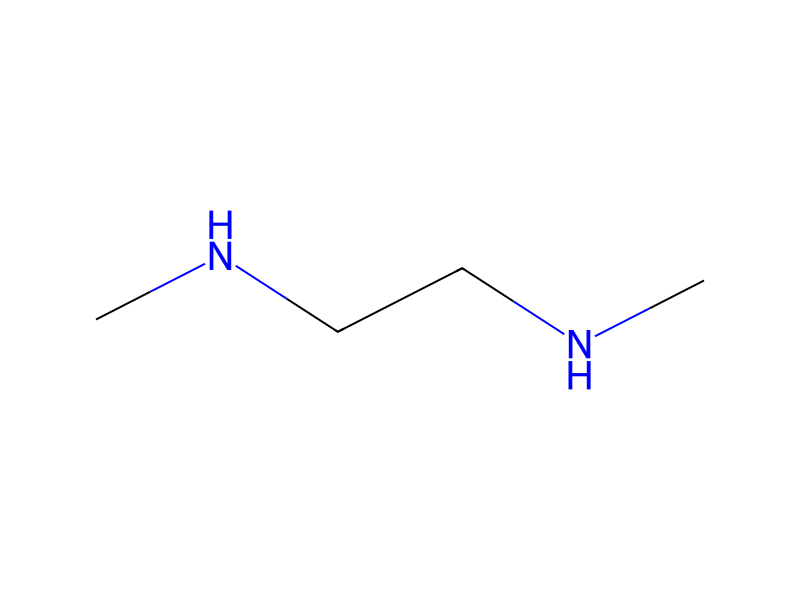
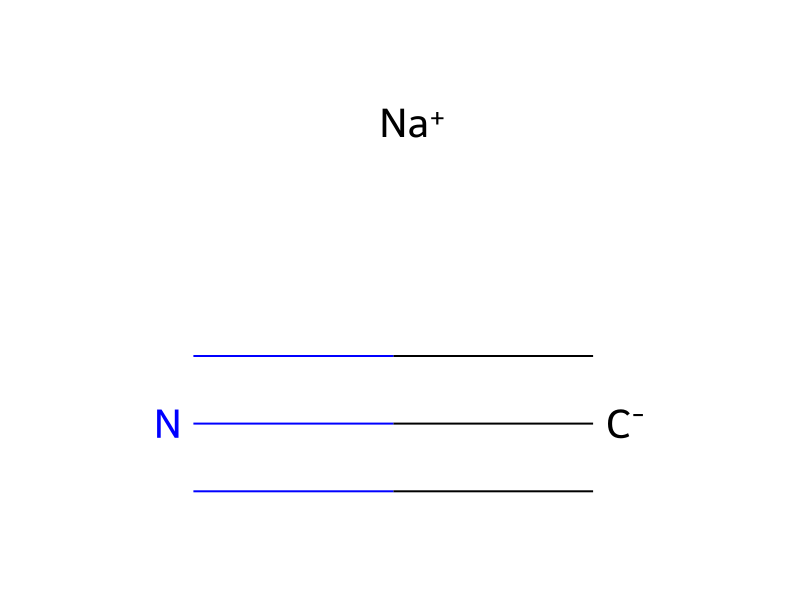
An oven dried screw cap test tube was charged with NaCN (125 mg, 2.551 mmol), dried KI (60 mg, 0.361 mmol, 17 mol %) and CuI (40 mg, 0.210 mmol, 10 mol %), evacuated and backfilled with argon three times. 1-Bromo-3-trifluoromethylbenzene (295 μL, 2.115 mmol), N,N′-dimethylethylenediamine (225 μL, 2.110 mmol) and anhydrous toluene (1.4 mL) were added under argon. The tube was sealed and the reaction mixture was stirred magnetically at 110 ° C. for 24 h. The resulting yellow suspension was cooled to room temperature, 2 mL of ethyl acetate, 1 mL of ammonium hydroxide (30%) and 1 mL of water were added. The mixture was stirred at 25° C. for 10 min, then the organic layer was washed with 1 mL of water and dried over MgSO4. The GC analysis showed essentially complete consumption of the starting material, and formation of the title compound (as confirmed by GC-MS).