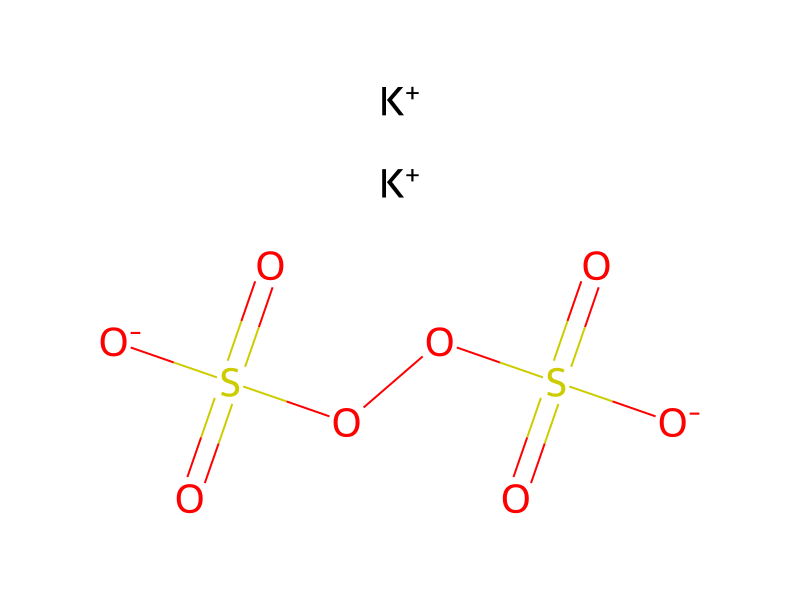
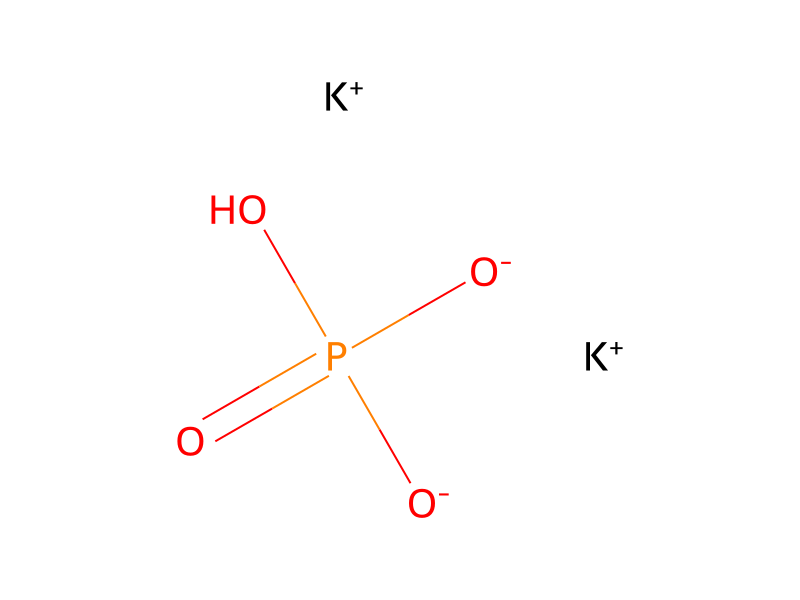
[Si:1]([O:8][C@@H:9]([C@@H:11]1[CH2:14][N:13](CC2C=CC(OC)=CC=2)[C:12]1=[O:24])[CH3:10])([C:4]([CH3:7])([CH3:6])[CH3:5])([CH3:3])[CH3:2].S(OOS([O-])(=O)=O)([O-])(=O)=O.[K+].[K+].P([O-])([O-])(O)=O.[K+].[K+]>C(#N)C.O>[Si:1]([O:8][C@@H:9]([C@@H:11]1[CH2:14][NH:13][C:12]1=[O:24])[CH3:10])([C:4]([CH3:7])([CH3:5])[CH3:6])([CH3:3])[CH3:2]A mixture of (3S)-3-[(1R)-1-(t-butyldimethylsilyloxy)ethyl]-1-(4-methoxybenzyl)azetidin-2-one (2.45 g), potassium persulfate (4.73 g) and dipotassium hydrogen phosphate (3.66 g) in acetonitrile (35 ml) and water (30 ml) was stirred at 70° C. for 2 hours. The mixture was evaporated and the residue was extracted with ethyl acetate. The extract was washed with 1N hydrochloric acid, saturated aqueous sodium hydrogencarbonate, water and an aqueous sodium chloride in turn, and then dried over magnesium sulfate. The resultant solution was evaporated and the residue was column-chromatographed on silica gel (eluent : a mixture of hexane and ethyl acetate, 3:1) to give (3S)-3-[(1R)-1-(t-butyldimethylsilyloxy)ethyl]azetidin-2-one (0.71 g).