StartseiteMCPSkillsWorkbenchOpenChem
StartseiteWorkbenchBenachrichtigungenMein Bereich
llms.txt · skill.md · MCP-AnleitungDatenschutz · Nutzungsbedingungen · Supportv1.8.5
  1. Startseite
  2. /Reaktion

Benzoic Acid → 2-Phenylbenzimidazole-5-Sulfonic Acid

HRID 2259428
Drucken

Reaktionsgleichung

[S:1](=[O:5])(=O)([OH:3])[OH:2].[C:6](O)(=O)[C:7]1[CH:12]=[CH:11][CH:10]=[CH:9][CH:8]=1.[C:15]1([NH2:22])[CH:20]=[CH:19][CH:18]=[CH:17][C:16]=1[NH2:21]>O>[C:7]1([C:6]2[NH:21][C:16]3[CH:17]=[C:18]([S:1]([OH:3])(=[O:5])=[O:2])[CH:19]=[CH:20][C:15]=3[N:22]=2)[CH:12]=[CH:11][CH:10]=[CH:9][CH:8]=1
KomponentenReaktionsbedingungenVersuchsvorschriftAufarbeitungQuellen und NachweiseNotizen zur Reaktion

Komponenten

5

Edukt 3

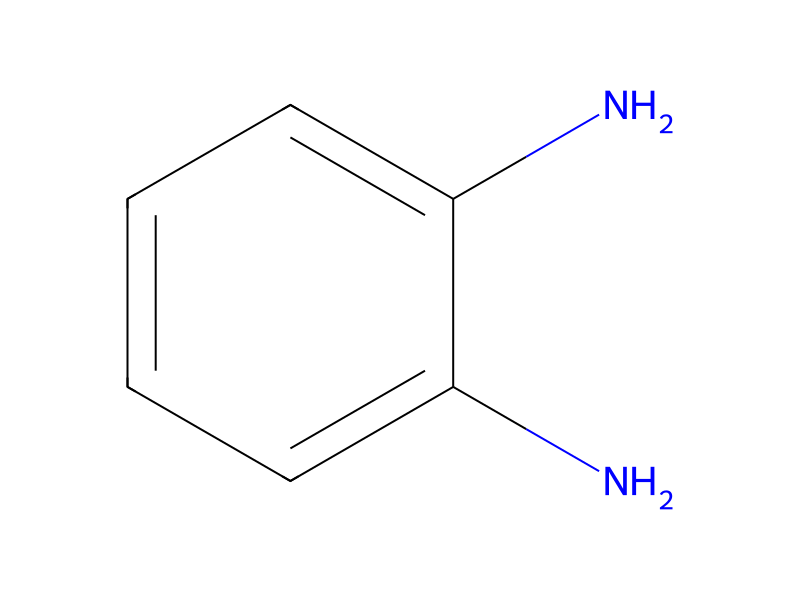
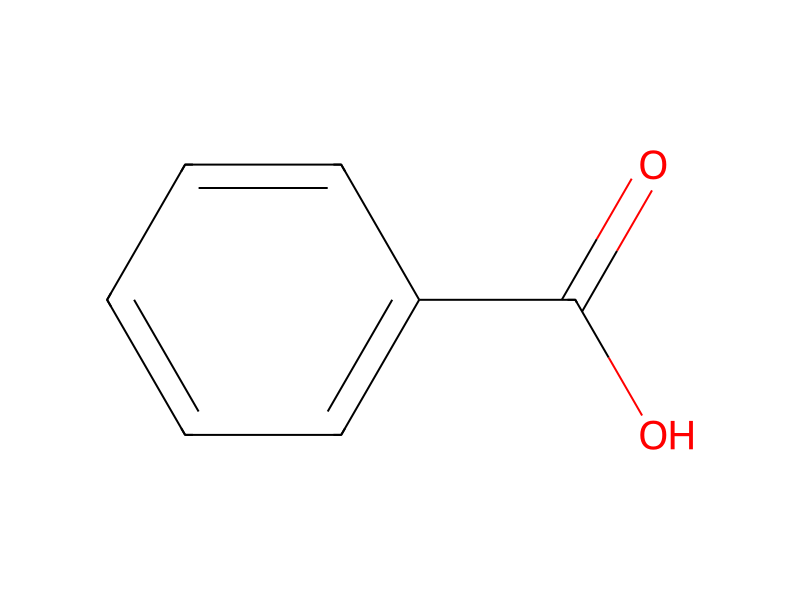
HCID 243Benzoic Acid3×HCID 1118Sulfuric Acid2×HCID 7243O-Phenylenediamine

Produkt 1

HCID 339192-Phenylbenzimidazole-5-Sulfonic AcidAusbeute 60 %

Reagenzien, Katalysatoren, Lösungsmittel 1

HCID 962WaterLösungsmittel2×

Reaktionsbedingungen

Temperatur
100 °C

Versuchsvorschrift

A 2 l four-necked flask is initially charged with 182 ml of distilled water, and 1533 g (15 mol) of 96% sulfuric acid are carefully added. 367 g (3.0 mol) of benzoic acid are introduced into the sulfuric acid, which at this point has a temperature of about 100° C., over a period of about 10 minutes while stirring vigorously (during this the temperature drops to about 80° C.). The mixture is subsequently heated to an internal temperature of 100° C., the benzoic acid dissolving almost completely. 325 g (3.0 mol) of 1,2-phenylenediamine are subsequently metered in at such a rate that the temperature of the mixture does not rise above 125° C. After completion of the addition the mixture is heated to reflux temperature (about 178° C.) and stirred for a further 6 hours at this temperature, during which a small proportion of the benzoic acid sublimes. The mixture is then stirred into 6 l of water at a temperature of 100° C. and then stirred for a further 30 minutes at 100° C. and the precipitate is then filtered off with suction and washed with 2 l of water at a temperature of 80° C. until free of sulfate. The dried crude product (580 g, 70% of theory) is suspended in 2.5 l of water and the pH is adjusted to 8 with 32% sodium hydroxide solution. After addition of 20 g of activated carbon the mixture is stirred for a further 60 minutes at room temperature and subsequently clarified by filtration. The filtrate is heated to 80° C. and the pH is adjusted to 3 with concentrated sulfuric acid. The precipitated product is filtered off with suction while hot, washed with 4 l of water at a temperature of 90° C. and dried to constant weight in a vacuum drying cabinet at 75° C. and 20 mbar. 493 g (1.8 mol, 60% of theory) of 2-phenylbenzimidazole-5-sulfonic acid are thus obtained.

Aufarbeitung

  1. additionare carefully added
  2. customa temperature of about 100° C.
  3. customdrops to about 80° C.
  4. customdoes not rise above 125° C
  5. additionAfter completion of the addition the mixture
  6. temperatureis heated
  7. temperatureto reflux temperature (about 178° C.)
  8. stirringstirred for a further 30 minutes at 100° C.
  9. filtrationthe precipitate is then filtered off with suction
  10. washwashed with 2 l of water at a temperature of 80° C. until free of sulfate
  11. dry with materialThe dried crude product (580 g, 70% of theory)
  12. additionAfter addition of 20 g of activated carbon the mixture
  13. stirringis stirred for a further 60 minutes at room temperature
  14. filtrationsubsequently clarified by filtration
  15. temperatureThe filtrate is heated to 80° C.
  16. filtrationThe precipitated product is filtered off with suction while hot,
  17. washwashed with 4 l of water at a temperature of 90° C.
  18. customdried to constant weight in a vacuum
  19. customdrying cabinet at 75° C.

Quellen und Nachweise

ORD-Eintrag
ord-63668ea49e48444cb3f1cba2eb78c607
Quelldatensatz
uspto-grants-1995_12
DOI
10.6084/m9.figshare.5104873.v1
Patentnummer
US05473079

Notizen zur Reaktion

Auf dieser SeiteKomponentenReaktionsbedingungenVersuchsvorschriftAufarbeitungQuellen und NachweiseNotizen zur Reaktion