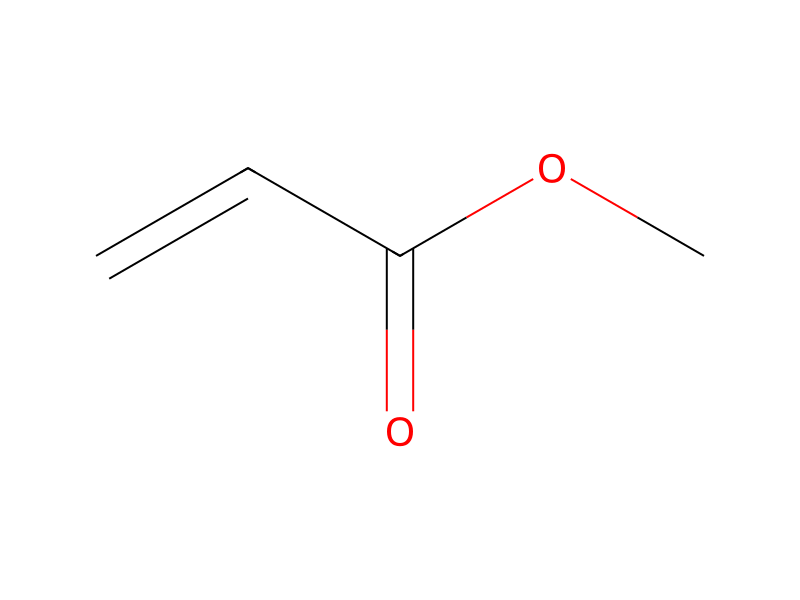
4-Bromo-3-fluoroaniline (20.0 g) was dissolved in a mixed solvent of DMF (64 ml) and N,N-diisopropylethylamine (64 ml). Methyl acrylate (28.3 ml), palladium acetate (1.18 g), and tris(2-methylphenyl)phosphine (11.2 g) were added thereto in a nitrogen atmosphere. The obtained mixture was stirred at a bath temperature of 120 to 129° C. for 26 hours. Toluene was added to the reaction mixture, and the mixture was filtered through Cerite. The Cerite was washed with a mixed solvent of DMF and toluene (1:1, 80 ml). The filtrates were combined and concentrated under reduced pressure. The obtained residue was separated with ethyl acetate and water. The organic layer was washed with a saturated sodium chloride solution, and then dried over anhydrous sodium sulfate. The solvent was distilled off, and toluene (70 ml) and n-heptane (10 ml) were added to the obtained residue. The precipitated solid was filtered off, and as a result, Compound 15a (3.74 g, 36%) was obtained as a yellow solid.