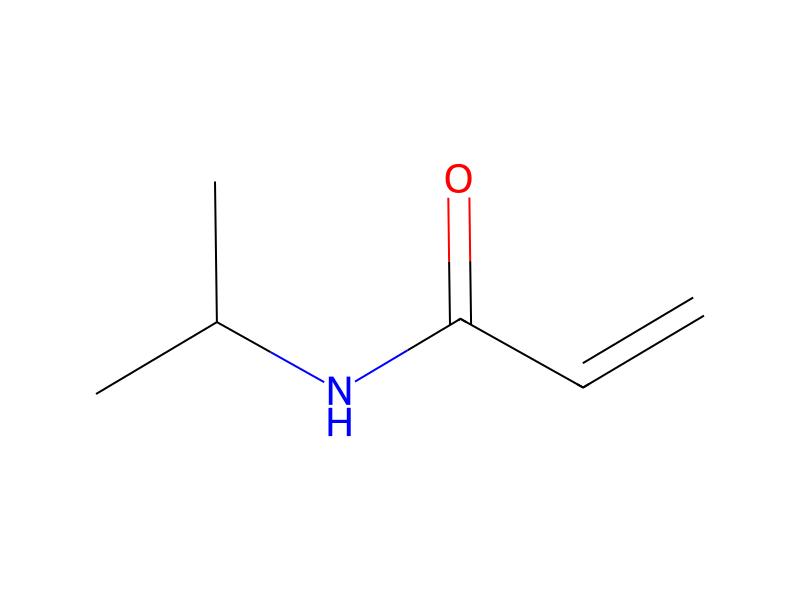
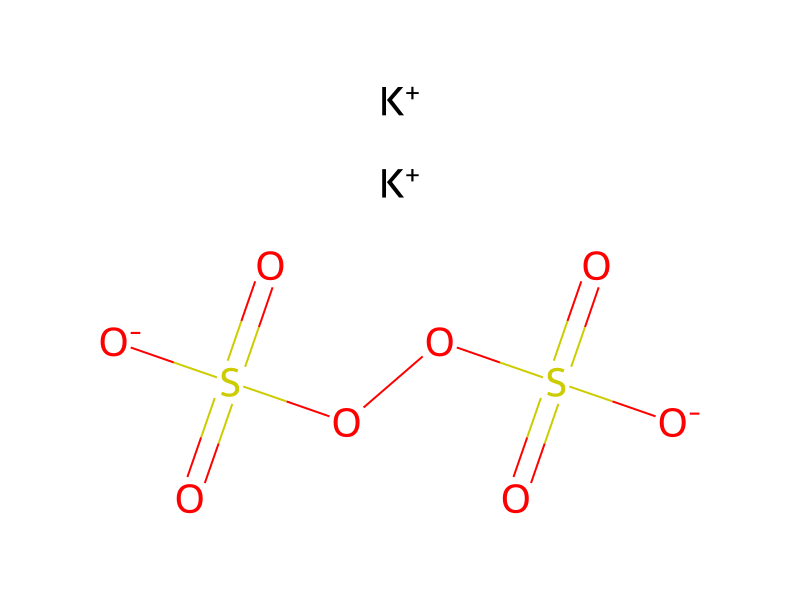
Sodium dodecylsulfate (20 mg), N-isopropylacrylamide (2.4 g), acrylic acid (382 mg), and methylenebisacrylamide (121 mg) are dissolved in 200 ml of water, and, after a 30 minute stirring at 70° C. in a nitrogen atmosphere, a polymerization initiator (potassium persulfate 9.2 mg) is added, followed by 4 hours of stirring. The obtained particles (precursor of Example 1-3) are purified in water by means of dialysis, and then lyophilized. These particles (700 mg) are then dispersed in tetrahydrofuran (30 ml)/dimethylformamide (10 ml), and a tetrahydrofuran (10 ml)/dimethylformamide (50 ml) solution of dicyclohexylcarbodiimide (800 mg), hydroxybenzotriazole (500 mg), and 2,2′-(ethylenedioxy)bis(ethylamine) (1.14 g) is added at room temperature, followed by an overnight stirring. The particles are then dialyzed and lyophilized. Next, they are dispersed in methanol (70 ml), to which 1.2 g of the chemical compound of Synthetic example 1 is added, followed by a 6 hour stirring at room temperature; this mixture is cooled in an ice bath, 3 g of sodium cyanotrihydroborate is added, followed by an overnight stirring at room temperature. The obtained particles are dialyzed in water to obtain the target N-isopropylacrylamide/acrylic acid copolymer particles (650 mg) modified with phosphorylcholine groups.