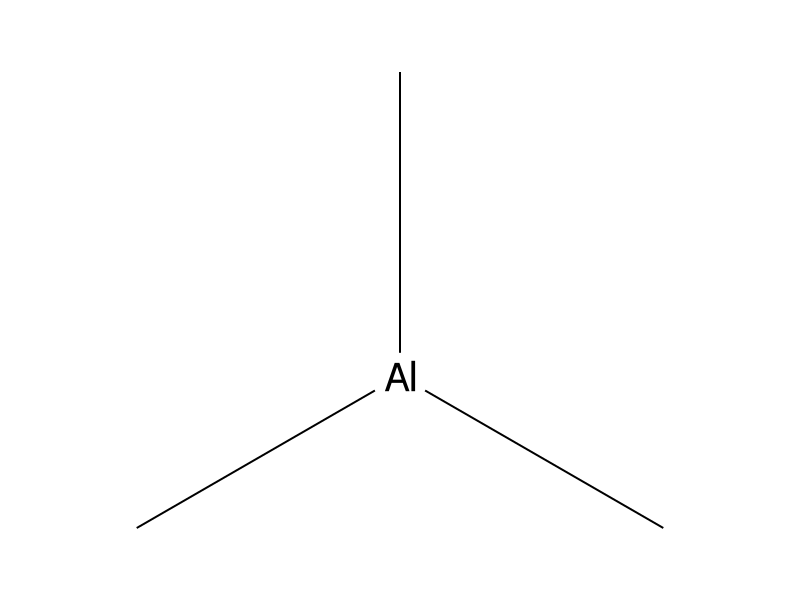
[NH2:1][CH2:2][CH2:3][N:4]([CH2:15][CH3:16])[CH2:5][CH2:6][O:7][C:8]1[C:9]([F:14])=[N:10][CH:11]=[CH:12][CH:13]=1.C[Al](C)C.CCCCCCC.[I:28][C:29]1[CH:30]=[C:31]2[C:36](=[CH:37][CH:38]=1)[N:35]=[C:34]([C:39](OCC)=[O:40])[CH:33]=[N:32]2>ClCCl.O>[CH2:15]([N:4]([CH2:3][CH2:2][NH:1][C:39]([C:34]1[CH:33]=[N:32][C:31]2[C:36](=[CH:37][CH:38]=[C:29]([I:28])[CH:30]=2)[N:35]=1)=[O:40])[CH2:5][CH2:6][O:7][C:8]1[C:9]([F:14])=[N:10][CH:11]=[CH:12][CH:13]=1)[CH3:16]To a stirred solution of compound 5 (55 mg, 0.24 mmol) in anhydrous dichloromethane (3 mL) was added at 0° C., under argon, a 2.0 M trimethylaluminium solution in heptane (0.12 mL, 0.24 mmol). After 10 min, a solution of compound 9 (57 mg, 0.17 mmol) in anhydrous dichloromethane (2 mL) was added and the mixture was refluxed for 6.5 h. After cooling to room temperature, water (15 mL) was added. The mixture was decanted and the aqueous layer was extrated with dichloromethane (3×20 mL). The organic layers were combined, dried on magnesium sulfate, filtered and evaporated under reduced pressure. The residue obtained was chromatographed (Al2O3, CH2Cl2/EtOH, 98/2, v/v) to give compound 10 (84 mg, 0.16 mmol) as a brown oil. Yield 94%; Rf (Al2O3, CH2Cl2/EtOH, 98/2, v/v) 0.58; IR (CCl4) ν 1453, 1468, 1522, 1684, 2750-3000 cm−1; 1H NMR (400 MHz, CDCl3) δ 1.12 (t, 3H, J=6.8 Hz), 2.76 (q, 2H, J=6.8 Hz), 2.89 (t, 2H, J=5.7 Hz), 3.03 (t, 2H, J=5.3 Hz), 3.64 (q, 2H, J=5.7 Hz), 4.15 (t, 2H, J=5.3 Hz), 6.99 (dd, 1H, J=4.8, 7.3 Hz), 7.23 (m, 1H), 7.59 (d, 1H, J=8.8 Hz), 7.64 (m, 1H), 8.00 (d, 1H, J=8.8 Hz), 8.43 (se, 1H), 8.57 (s, 1H), 9.61 (s, 1H); ESI-MS m/z 509.9 [M+H]+.
Wird geladen…