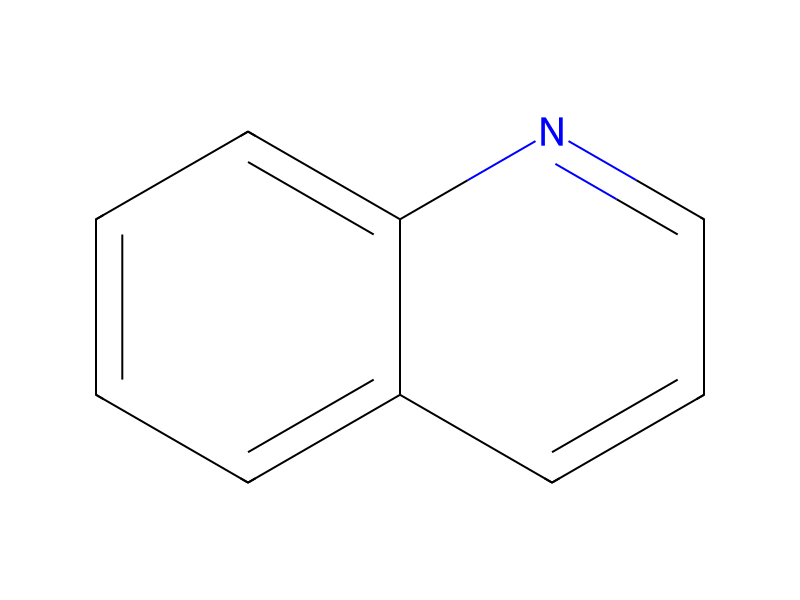
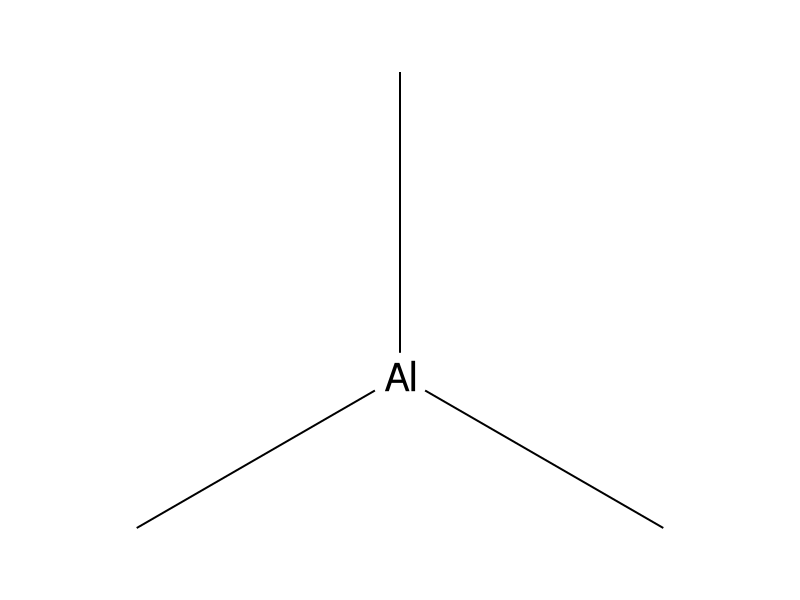
To a stirred solution of N,N-diethylethylenediamine (483 μL, 3.42 mmol) in anhydrous dichloromethane (50 mL) was added, at 0° C., under argon, a 2.0 M trimethylaluminium solution in heptane (1.71 mL, 3.42 mmol). After 10 min, methyl 6-iodo-4-oxo-1,4-dihydroquinoline-2-carboxylate (103) (800 mg, 2.43 mmol) (Deng, Y.; Curran, P. J.; Shipps, G. W. Jr.; Zhao, L.; Siddiqui, M. A.: Popovici-Muller, J.; Duca, J. S.; Kruza, A. W.; Fischmann, T. O.; Madison, V. S.; Zhang, R.; Mcnemar, C. W.; Mayhood, T. W.; Windsor, W. T.; Lees, E. M.; Parry, D. Novel high affinity quinoline-based kinase ligands. Patent WO2007/022241, 2007) was added and the mixture was refluxed for 12 h. After cooling to room temperature, water (40 mL) and ethanol (100 mL) were added. The precipitate was then filtered and washed with ethanol (5×10 mL). The filtrate volume was reduced to 20 mL by evaporation under reduce pressure and the precipitate formed was filtered and washed with diethylether (10 mL) to give compound 104 (784 mg, 1.90 mmol) as a beige solid. Yield 78%; mp 345-347° C. (dec.); IR (KBr) ν 1507, 1594, 1622, 1665, 2963, 3241 cm−1; 1H NMR (200 MHz, DMSO-d6) δ 0.96 (t, 6H, J=7.0 Hz), 2.53 (m, 6H), 3.34 (q, 2H, J=6.3 Hz), 6.83 (s, 1H), 7.72 (d, 1H, J=8.8 Hz), 7.94 (dd, 1H, J=2.0, 8.8 Hz), 8.36 (d, 1H, J=2.0 Hz), 8.91 (t, 1H, J=5.3 Hz); ESI-MS m/z 413.8 [M+H]+.