Acrylate → Ethyl 3-bromo-4H-furo[3,2-b]pyrrole-5-carboxylate
Reaktionsgleichung

[Br:1][C:2]1[CH:3]=[C:4]([CH:7]=O)[O:5][CH:6]=1.[CH2:9]([O:11][C:12](=[O:17])[CH2:13][N:14]=[N+]=[N-])[CH3:10].[O-]CC.[NH4+].[Cl-].C([O-])(=O)C=C>O.CCOCC.C(O)C>[CH2:9]([O:11][C:12]([C:13]1[NH:14][C:3]2[C:2]([Br:1])=[CH:6][O:5][C:4]=2[CH:7]=1)=[O:17])[CH3:10]Komponenten
9
Edukt 5


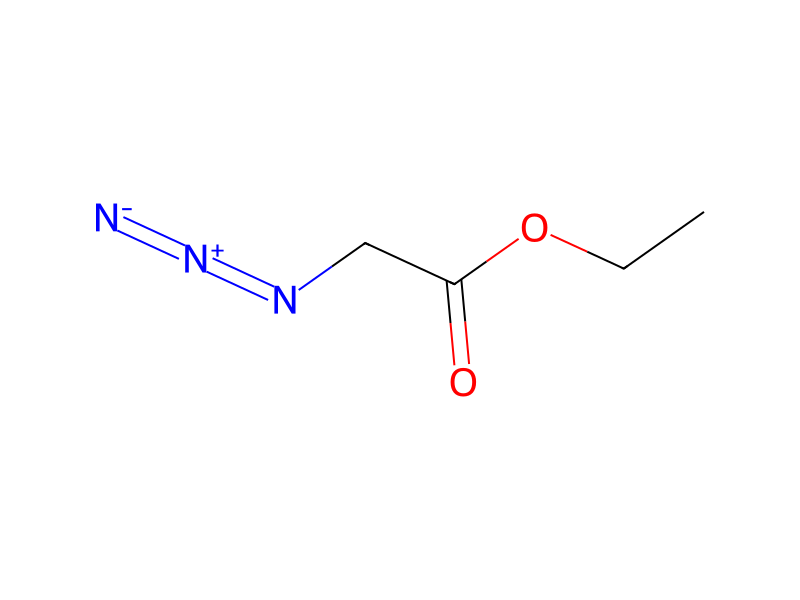
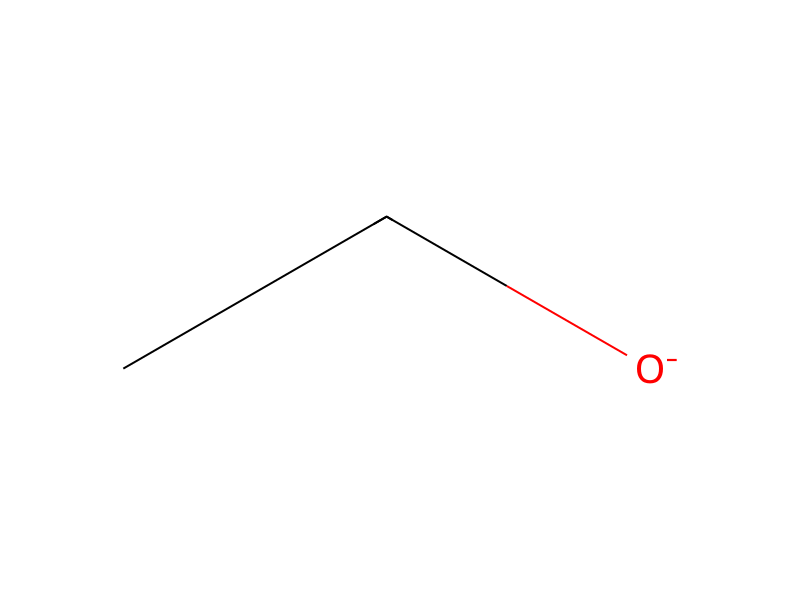
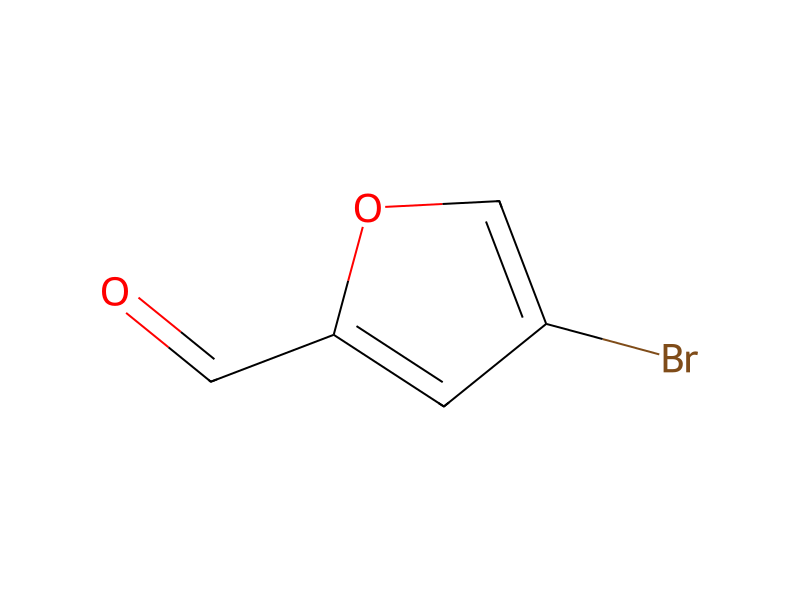
Produkt 1

Reagenzien, Katalysatoren, Lösungsmittel 3



Versuchsvorschrift
4-Bromo-2-furaldehyde was annulated according to Procedure H (aldehyde and azido-acetic acid ethyl ester added as ethanol solution (1 M of ester) to −20° C. ethoxide solution; −20° C. 35 min, −5° C. 1.5 h, 5° C. 15 min; reaction poured into cold saturated aqueous NH4Cl; after ether extraction, acrylate organic phase washed with water until aqueous phase was neutral; 0.5 M solution of crude acrylate heated).
Quellen und Nachweise
- ORD-Eintrag
- ord-fa53e58e85fb4d77bdc15add1a70e60b
- Quelldatensatz
- uspto-grants-2004_12
- Patentnummer
- US06828343B2
Notizen zur Reaktion
Wird geladen…