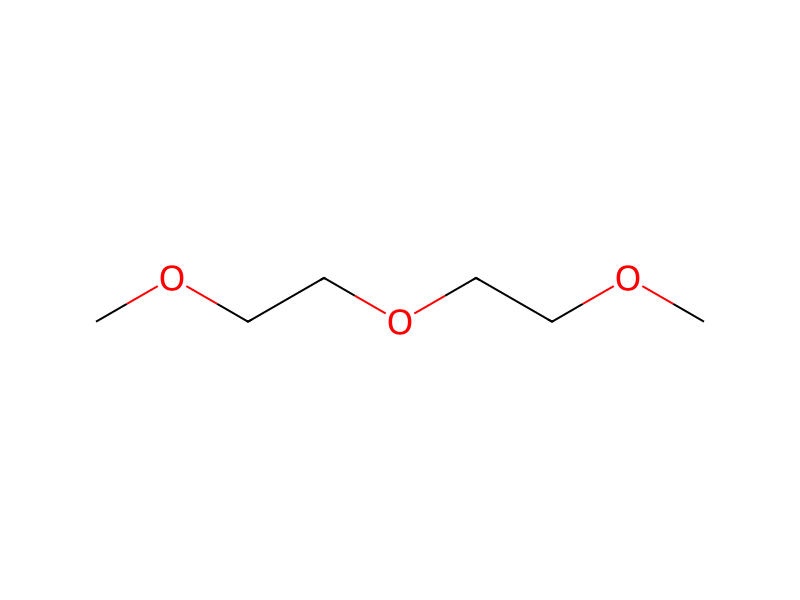
33.8 g of aluminium chloride were suspended in 200 g of fluorobenzene, and a solution of 37.8 g of thiophene-2-carbonyl chloride in 50 ml of fluorobenzene was added dropwise to this at 0° C. over the course of 30 minutes. The mixture was stirred at 0° C. for 2 hours and then slowly warmed, and heated under reflux at 85° C. for 2 hours until evolution of hydrogen chloride ceased. The solution was cooled to 70° C. and then, at this temperature, added dropwise over the course of 30 minutes to a stirred suspension of 7.2 g of of sodium borohydride in 50 ml of diglyme. The mixture was then stirred at 70° C. for 90 minutes and, after cooling, discharged into a mixture of 250 g of ice, 200 ml of water and 62.5 g of concentrated aqueous hydrochloric acid. After addition of 100 ml of fluorobenzene, the organic phase was separated off, extracted by shaking with 100 ml of water and concentrated. Yield: 58.3 g of product with a content of 61.8% by weight of 2-(4-fluorobenzyl)thiophene (GC), corresponding to a yield of 75.1% of theory. An organic phase was obtained from the aqueous mother liquor by extraction with methylene chloride and concentration and contained a further 33.7% by weight of the required product (GC), corresponding to an additional yield of 4.6% of theory. Distillation of the organic phase resulted in a 99.2% pure 2-(4-fluorobenzyl)thiophene.