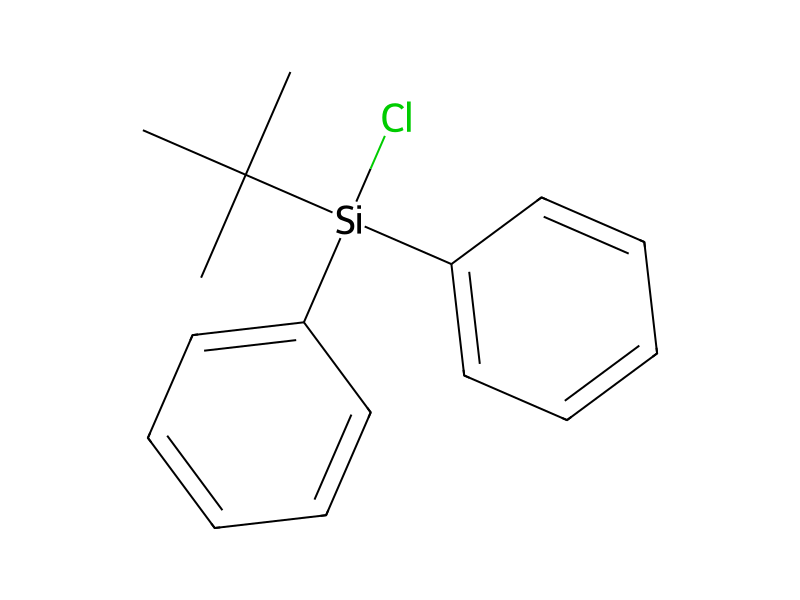
[Br:1][C:2]1[CH:7]=[CH:6][C:5]([CH2:8][CH2:9][OH:10])=[CH:4][CH:3]=1.N1C=CN=C1.[C:16]([Si:20](Cl)([C:27]1[CH:32]=[CH:31][CH:30]=[CH:29][CH:28]=1)[C:21]1[CH:26]=[CH:25][CH:24]=[CH:23][CH:22]=1)([CH3:19])([CH3:18])[CH3:17].O>CN(C)C=O>[Br:1][C:2]1[CH:7]=[CH:6][C:5]([CH2:8][CH2:9][O:10][Si:20]([C:16]([CH3:19])([CH3:18])[CH3:17])([C:27]2[CH:28]=[CH:29][CH:30]=[CH:31][CH:32]=2)[C:21]2[CH:26]=[CH:25][CH:24]=[CH:23][CH:22]=2)=[CH:4][CH:3]=1To a solution of 2-(4-bromophenyl)ethanol (3.0 g) and imidazole (2.03 g) in N,N-dimethylformamide (30 mL) was added tert-butylchlorodiphenylsilane (4.66 mL), and the mixture was stirred at room temperature for 7 days. The reaction mixture was poured into water, and the resulting mixture was extracted with diethyl ether. The extract was washed with water and brine successively, and dried over anhydrous sodium sulfate. The solvent was removed under reduced pressure, and the residue was purified by column chromatography on silica gel (eluent: n-hexane/ethyl acetate=10/1) to give 1-bromo-4-[2-(tert-butyldiphenylsilyloxy)ethyl]benzene (6.27 g). The title compound was prepared in a similar manner to that described in Step 2 of Reference Example 46 using this material instead of 1-bromo-2-fluoro-4-methoxybenzene.