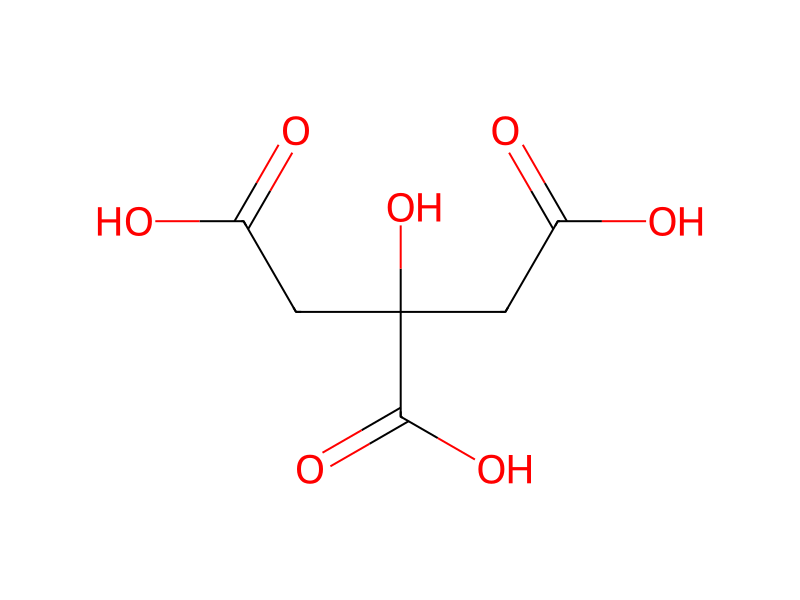
Br[C:2]1[CH:13]=[CH:12][C:5]([C:6]([NH:8][CH2:9][CH2:10][CH3:11])=[O:7])=[C:4]([F:14])[CH:3]=1.[NH2:15][C:16]([CH3:21])([CH3:20])[C:17]([OH:19])=[O:18].C([O-])([O-])=O.[K+].[K+].C(C1CCCCC1=O)(=O)C.C(O)(=O)CC(CC(O)=O)(C(O)=O)O>CN(C=O)C.[Cu]I.O>[CH2:9]([NH:8][C:6]([C:5]1[CH:12]=[CH:13][C:2]([NH:15][C:16]([CH3:21])([CH3:20])[C:17]([OH:19])=[O:18])=[CH:3][C:4]=1[F:14])=[O:7])[CH2:10][CH3:11]The title compound was prepared according to General Method 7. 4-bromo-2-fluoro-N-propylbenzamide (620 mg, 2.39 mmol), 2-aminoisobutyric acid (422 mg, 4.09 mmol), CuI (100 mg, 0.6 mmol), TEA (catalytic amount) and K2CO3 (1.13 g, 8.1 mmol) were dissolved in DMF (8 ml) and water (2 ml) stirred at RT for 5 min. Then 2-acetylcyclohexanone (0.13 g, 0.3 mmol) was added and the reaction mixture was heated at 100° C. for 18 h. The reaction mixture was acidified with 1 M citric acid (pH 4) and extracted with ethyl acetate (100 mL, 2 times). The combined organic layer was dried over Na2SO4 and concentrated to obtain 1.0 g of 2-(4-(propylcarbamoyl)-3-fluorophenylamino)-2-methylpropanoic acid.