Reaktionsgleichung

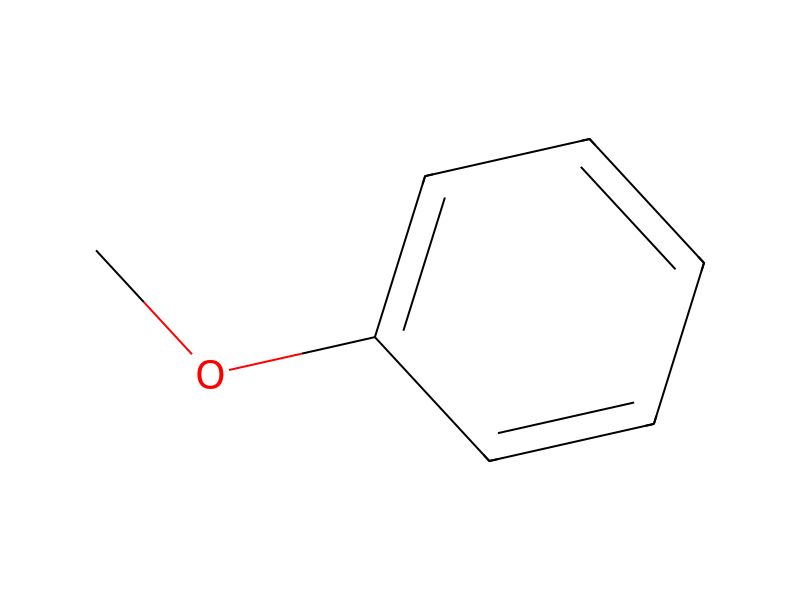
[C:1]1([O:7][CH3:8])[CH:6]=[CH:5][CH:4]=[CH:3][CH:2]=1.[F:9][C:10]1[CH:18]=[CH:17][C:13]([C:14](Cl)=[O:15])=[CH:12][CH:11]=1.[Cl-].[Al+3].[Cl-].[Cl-].Cl>O.ClCCl>[F:9][C:10]1[CH:18]=[CH:17][C:13]([C:14]([C:4]2[CH:5]=[CH:6][C:1]([O:7][CH3:8])=[CH:2][CH:3]=2)=[O:15])=[CH:12][CH:11]=1Komponenten
Edukt 4

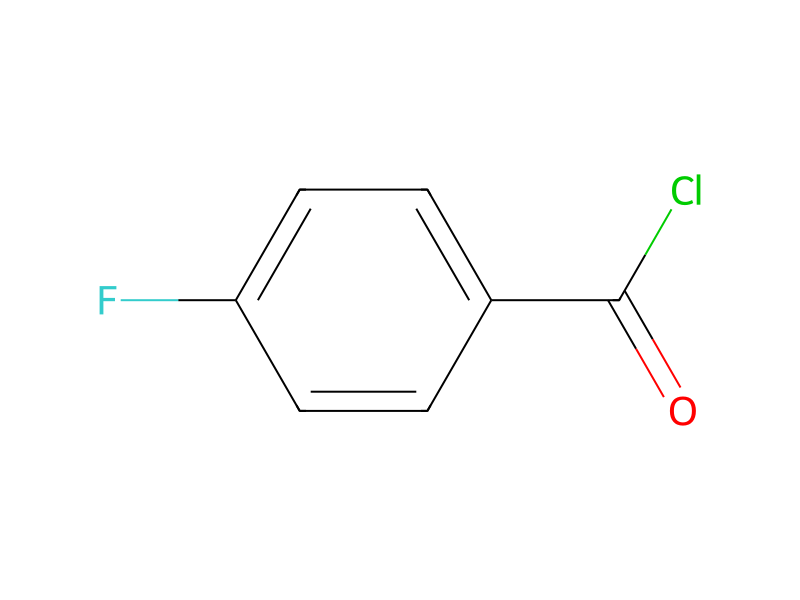

Produkt 1

Reagenzien, Katalysatoren, Lösungsmittel 2


Versuchsvorschrift
A photochromic initiator (represented by structure 1.31 in Table 1 above) was prepared as follows. Step 1: Anisole (27.5 grams), 4-fluorobenzoyl chloride (35 grams) and dichloromethane (250 mL) were combined in a reaction flask. Aluminum chloride (30.8 grams) was added to the reaction mixture slowly over 20 minutes. Stirred the reaction mixture at room temperature for two hours and then poured it into a mixture of 70 mL concentrated hydrochloric acid and 500 mL of water. The layers were phase separated and the aqueous layer was extracted with two portions of dichloromethane (300 mL each). The organic portions were combined and washed with saturated aqueous sodium bicarbonate (400 mL). The organic layer was dried over anhydrous sodium sulfate and evaporated to yield 48.0 grams of 4-fluoro-4′-methoxy-benzophenone as a white solid. This material was not purified further but was used directly in the next step.
Aufarbeitung
- customA photochromic initiator (represented by structure 1.31 in Table 1 above) was prepared
- additionpoured it
- customseparated
- extractionthe aqueous layer was extracted with two portions of dichloromethane (300 mL each)
- washwashed with saturated aqueous sodium bicarbonate (400 mL)
- dry with materialThe organic layer was dried over anhydrous sodium sulfate
- customevaporated
Quellen und Nachweise
- ORD-Eintrag
- ord-e7f16a335c4346d99948e789c5cedc48
- Quelldatensatz
- uspto-grants-2008_12
- Patentnummer
- US07465415B2
Verknüpfte Notizen
Wird geladen…