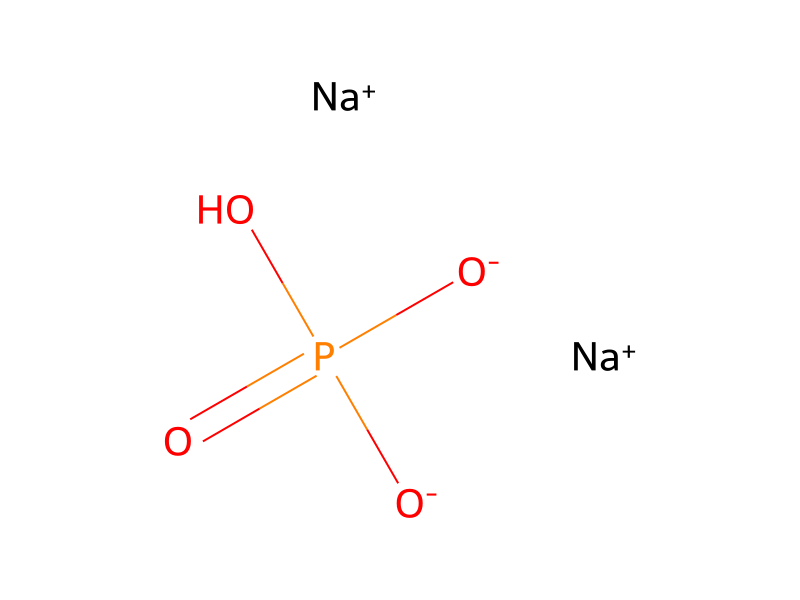
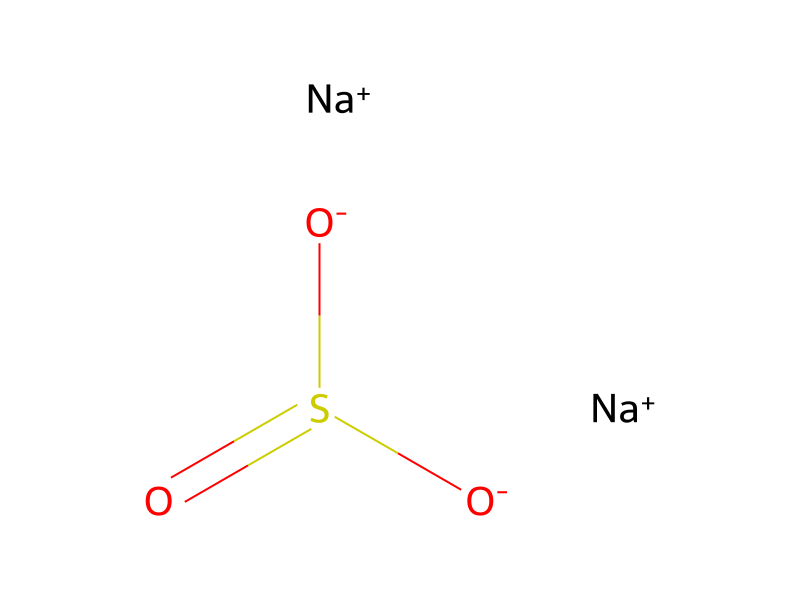
To a solution of sodium hydrogen phosphate (14.2 g, 0.1 mol) and sodium sulfite (25.2 g, 0.2 mol) in water (200 mL) was added 4-fluoro-benzenesulfonyl chloride (19.5 g, 0.1 mol). After the mixture was stirred at 60° C. overnight, a solution of bromoethane (32.7 g, 0.3 mol) in acetone (20 mL) was added dropwise, followed by the addition of tetrabutylammonium iodide (3.7 g, 0.01 mol) in one portion. The resulting reaction mixture was stirred at room temperature for 5 days, then diluted with water (50 mL), and extracted with ethyl acetate (100 mL×3). The combined organic layers were washed with brine, dried over sodium sulfate, and concentrated in vacuo. The residue was purified by flash column chromatography (elution with 20% ethyl acetate in petroleum ether) to afford 1-ethanesulfonyl-4-fluoro-benzene (11.9 g, 63%) as a yellow oil (reference: Arnold, Leggy A. A., et al., Org. Lett, 6 (2004), 3005-3007).