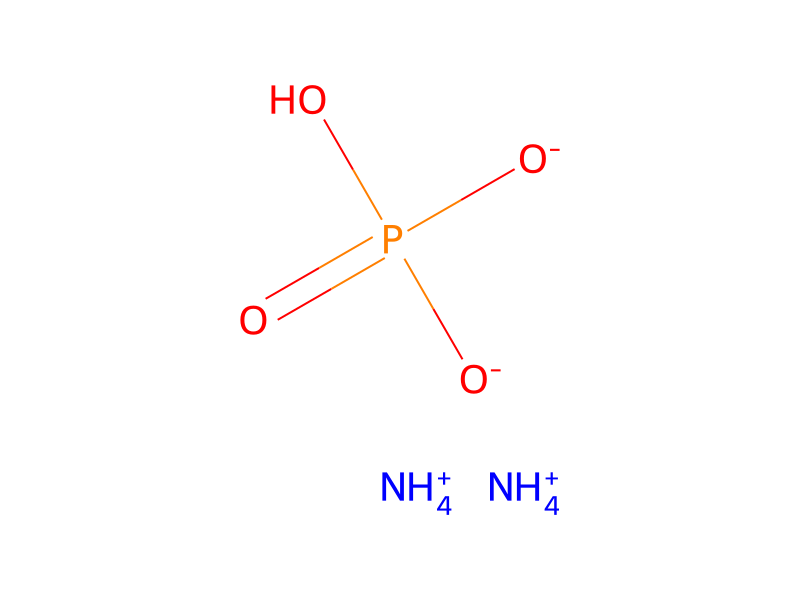
[Br:1][C:2]1[CH:7]=[CH:6][C:5]([C:8]2[CH:9]=[C:10]3[C:14](=[CH:15][CH:16]=2)[NH:13][CH:12]=[C:11]3[CH:17]=O)=[CH:4][CH:3]=1.P([O-])([O-])(O)=O.[NH4+].[NH4+].[N+:26](CCC)([O-])=O>C(O)(=O)C>[Br:1][C:2]1[CH:7]=[CH:6][C:5]([C:8]2[CH:9]=[C:10]3[C:14](=[CH:15][CH:16]=2)[NH:13][CH:12]=[C:11]3[C:17]#[N:26])=[CH:4][CH:3]=1A mixture of 33 (1.35 g 4.50 mmol), diammonium hydrogen phosphate (3.19 g, 23.8 mmol), 1-nitropropane (13.61 g, 152.9 mmol) and glacial acetic acid (10 mL) is refluxed overnight. During the reflux period, the pale-yellow mixture becomes dark red. The volatile reactants and solvents were removed under reduced pressure and an excess of water is then added to the dark residue. After a short time the crude 34 precipitated rapidly. It is separated by filtration washed with hexanes and dried under reduced pressure. Compound 34 was obtained as pale yellow solid in 1.19 g. MS (Es−ve) m/z 295.