StartseiteMCPWorkbenchSkills
StartseiteWorkbenchBenachrichtigungenMein Bereich
llms.txt · MCP-AnleitungDatenschutz · Nutzungsbedingungen · Supportv1.8.3
  1. Startseite
  2. /Reaktion

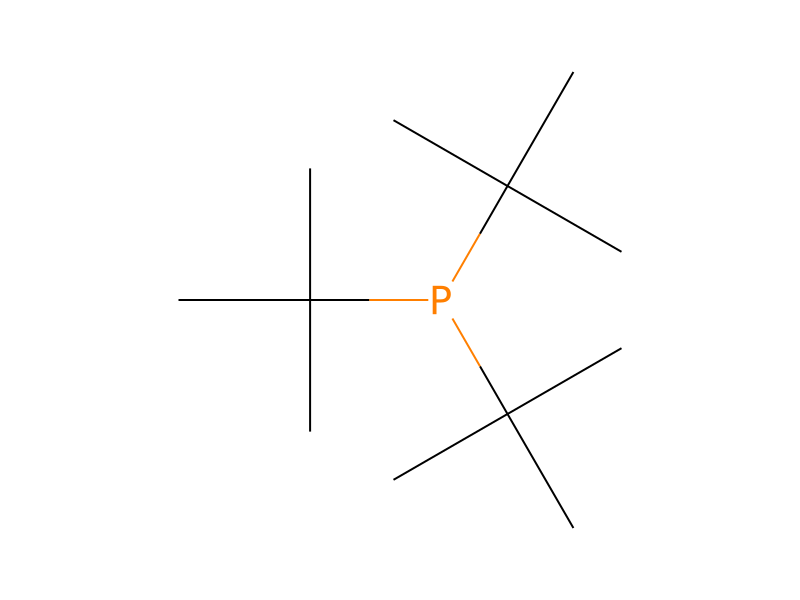
Tris(1,1-dimethylethyl)phosphine → 3,6-Bis(dibenzofuran-4-yl)-9-[4-(10-phenyl-9-anthryl)phenyl]-9H-carbazole

HRID 239999
Drucken

Reaktionsgleichung

Reaktionsgleichung von HRID 239999
Br[C:2]1[CH:7]=[CH:6][C:5]([C:8]2[C:9]3[C:14]([C:15]([C:22]4[CH:27]=[CH:26][CH:25]=[CH:24][CH:23]=4)=[C:16]4[C:21]=2[CH:20]=[CH:19][CH:18]=[CH:17]4)=[CH:13][CH:12]=[CH:11][CH:10]=3)=[CH:4][CH:3]=1.[CH:28]1[C:36]2[C:35]3[CH:37]=[CH:38][CH:39]=[CH:40][C:34]=3[O:33][C:32]=2[C:31]([C:41]2[CH:42]=[CH:43][C:44]3[NH:45][C:46]4[C:51]([C:52]=3[CH:53]=2)=[CH:50][C:49]([C:54]2[C:59]3[O:60][C:61]5[CH:66]=[CH:65][CH:64]=[CH:63][C:62]=5[C:58]=3[CH:57]=[CH:56][CH:55]=2)=[CH:48][CH:47]=4)=[CH:30][CH:29]=1.CC(C)([O-])C.[Na+].C(P(C(C)(C)C)C(C)(C)C)(C)(C)C>C1C=CC(/C=C/C(/C=C/C2C=CC=CC=2)=O)=CC=1.C1C=CC(/C=C/C(/C=C/C2C=CC=CC=2)=O)=CC=1.[Pd].C1(C)C=CC=CC=1.CCCCCC>[CH:28]1[C:36]2[C:35]3[CH:37]=[CH:38][CH:39]=[CH:40][C:34]=3[O:33][C:32]=2[C:31]([C:41]2[CH:42]=[CH:43][C:44]3[N:45]([C:2]4[CH:3]=[CH:4][C:5]([C:8]5[C:21]6[C:16]([C:15]([C:22]7[CH:27]=[CH:26][CH:25]=[CH:24][CH:23]=7)=[C:14]7[C:9]=5[CH:10]=[CH:11][CH:12]=[CH:13]7)=[CH:17][CH:18]=[CH:19][CH:20]=6)=[CH:6][CH:7]=4)[C:46]4[C:51]([C:52]=3[CH:53]=2)=[CH:50][C:49]([C:54]2[C:59]3[O:60][C:61]5[CH:66]=[CH:65][CH:64]=[CH:63][C:62]=5[C:58]=3[CH:57]=[CH:56][CH:55]=2)=[CH:48][CH:47]=4)=[CH:30][CH:29]=1
KomponentenVersuchsvorschriftAufarbeitungQuellen und NachweiseNotizen zur Reaktion

Komponenten

8

Edukt 4

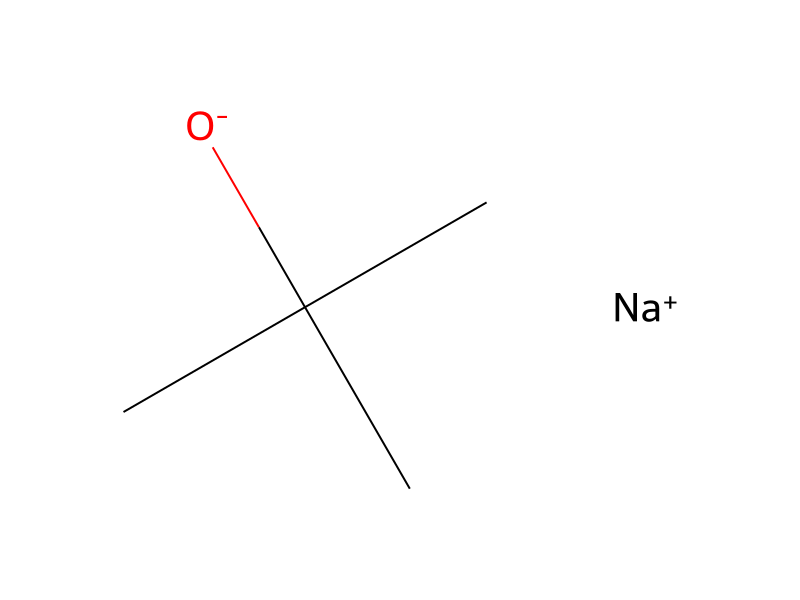
HCID 83681Tris(1,1-dimethylethyl)phosphineHCID 221382759-(4-Bromophenyl)-10-phenylanthraceneHCID 23676156Sodium t-butoxideHCID 667938983,6-bis(dibenzofuran-4-yl)-9H-carbazole

Produkt 1

HCID 871536523,6-Bis(dibenzofuran-4-yl)-9-[4-(10-phenyl-9-anthryl)phenyl]-9H-carbazole
Ausbeute 59 %

Reagenzien, Katalysatoren, Lösungsmittel 3

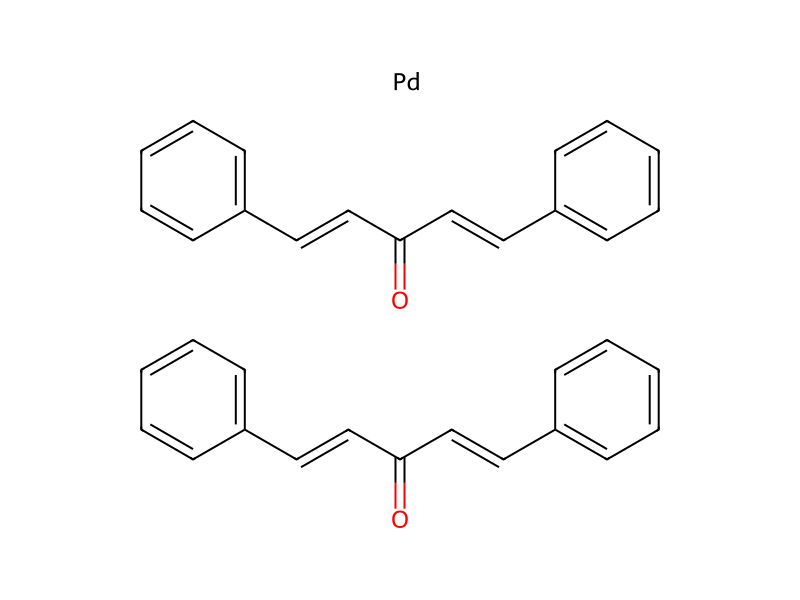
HCID 6505921(1E,4E)-1,5-diphenylpenta-1,4-dien-3-one; palladiumKatalysatorHCID 1140TolueneLösungsmittel2×HCID 8058HexaneLösungsmittel

Versuchsvorschrift

To a 100-mL three-neck flask were added 0.99 g (2.4 mmol) of 9-(4-bromophenyl)-10-phenylanthracene, 1.2 g (2.4 mmol) of 3,6-bis(dibenzofuran-4-yl)-9H-carbazole, and 0.62 g (6.4 mmol) of sodium tert-butoxide. After the air in the flask was replaced with nitrogen, to this mixture were added 20 mL of toluene and 0.2 mL of tri(tert-butyl)phosphine (a 10 wt % hexane solution). This mixture was degassed by being stirred while the pressure was reduced. After the degassing, 62 mg (0.11 mmol) of bis(dibenzylideneacetone)palladium(0) was added to the mixture. This mixture was stirred at 110° C. for 20 hours under a nitrogen stream. After the stirring, 100 mL of toluene was added to the obtained mixture, and the mixture was suction-filtered through Celite (produced by Wako Pure Chemical Industries, Ltd., Catalog No. 531-16855), alumina, and Florisil (produced by Wako Pure Chemical Industries, Ltd., Catalog No. 540-00135). The oily substance obtained by concentration of the filtrate was recrystallized from toluene/hexane, so that 1.2 g of a yellow solid was obtained in 59% yield. The synthesis scheme of Step 2 is illustrated in (b-8).

Aufarbeitung

  1. customThis mixture was degassed
  2. stirringThis mixture was stirred at 110° C. for 20 hours under a nitrogen stream
  3. filtrationthe mixture was suction-filtered through Celite (produced by Wako Pure Chemical Industries, Ltd., Catalog No. 531-16855), alumina, and Florisil (produced by Wako Pure Chemical Industries, Ltd., Catalog No. 540-00135)
  4. customThe oily substance obtained by concentration of the filtrate
  5. customwas recrystallized from toluene/hexane, so that 1.2 g of a yellow solid
  6. customwas obtained in 59% yield
  7. customThe synthesis scheme of Step 2

Quellen und Nachweise

ORD-Eintrag
ord-e7cc1923edfa4583a1d1856dbe842444
Quelldatensatz
uspto-grants-2014_02
DOI
10.6084/m9.figshare.5104873.v1
Patentnummer
US08642782B2

Notizen zur Reaktion

Auf dieser SeiteKomponentenVersuchsvorschriftAufarbeitungQuellen und NachweiseNotizen zur Reaktion