Diisopropylethylamine → HCID 58504191, Verbindung
Reaktionsgleichung

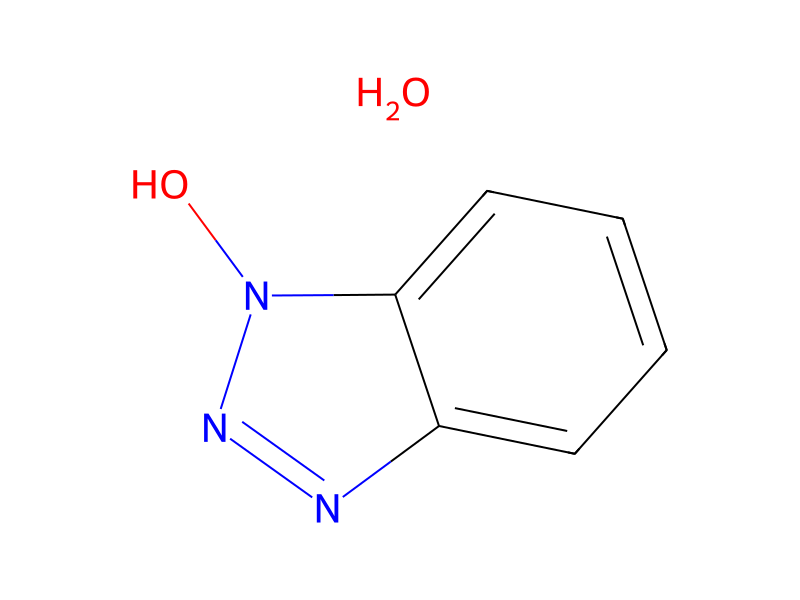
[NH2:1][C:2]1[C:7]([C:8]#[N:9])=[C:6]([O:10][CH2:11][CH3:12])[N:5]=[C:4]([C:13]([OH:15])=O)[CH:3]=1.Cl.C(N=C=NCCCN(C)C)C.O.ON1C2C=CC=CC=2N=N1.C(N(C(C)C)CC)(C)C.[NH2:48][CH2:49][C:50]1([CH3:63])[CH2:55][CH2:54][N:53]([C:56]([O:58][C:59]([CH3:62])([CH3:61])[CH3:60])=[O:57])[CH2:52][CH2:51]1>CN(C)C=O.O>[NH2:1][C:2]1[C:7]([C:8]#[N:9])=[C:6]([O:10][CH2:11][CH3:12])[N:5]=[C:4]([C:13]([NH:48][CH2:49][C:50]2([CH3:63])[CH2:55][CH2:54][N:53]([C:56]([O:58][C:59]([CH3:62])([CH3:61])[CH3:60])=[O:57])[CH2:52][CH2:51]2)=[O:15])[CH:3]=1Komponenten
8
Edukt 5




Produkt 1


