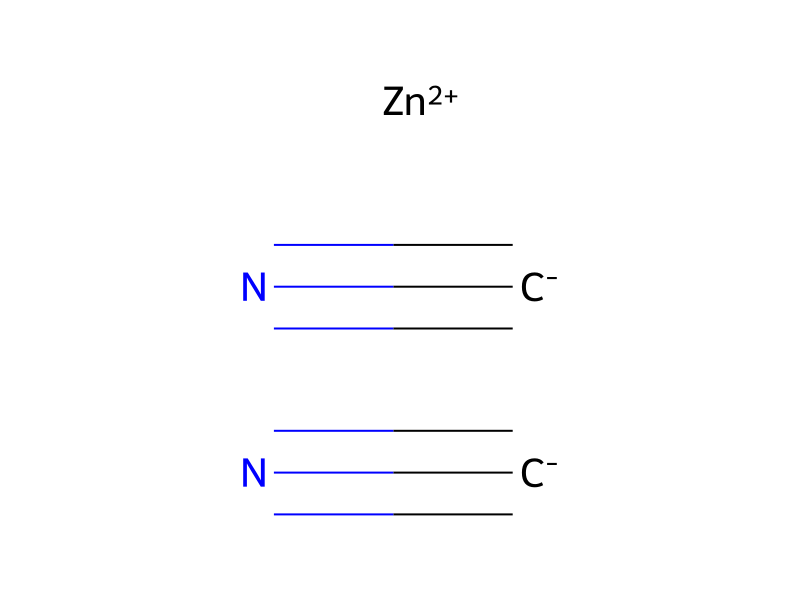
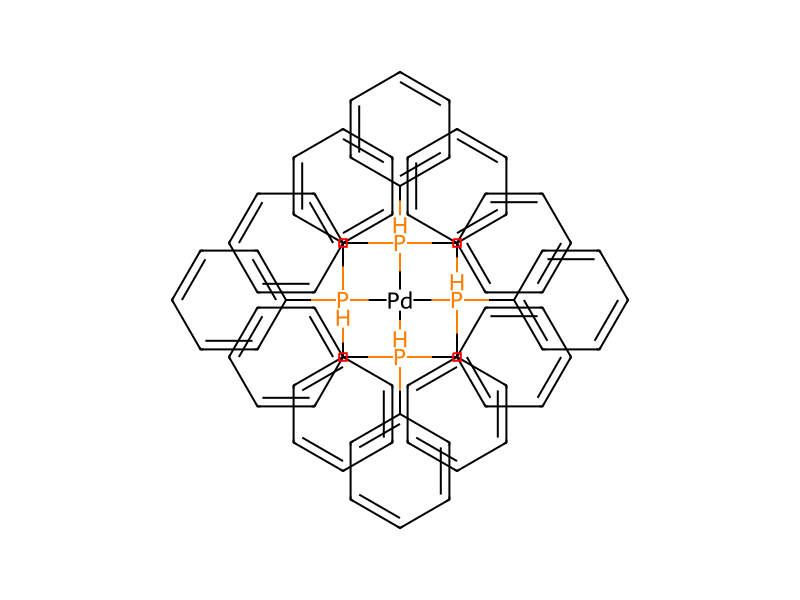
Br[C:2]1[CH:3]=[C:4]([C:11]([O:13][CH2:14][CH3:15])=[O:12])[C:5]([CH:8]([F:10])[F:9])=[N:6][CH:7]=1.[CH3:16][N:17](C=O)C>O.[C-]#N.[Zn+2].[C-]#N.C1(P([Pd](P(C2C=CC=CC=2)(C2C=CC=CC=2)C2C=CC=CC=2)(P(C2C=CC=CC=2)(C2C=CC=CC=2)C2C=CC=CC=2)P(C2C=CC=CC=2)(C2C=CC=CC=2)C2C=CC=CC=2)(C2C=CC=CC=2)C2C=CC=CC=2)C=CC=CC=1>[C:16]([C:2]1[CH:3]=[C:4]([C:11]([O:13][CH2:14][CH3:15])=[O:12])[C:5]([CH:8]([F:10])[F:9])=[N:6][CH:7]=1)#[N:17]In a flask, dissolve ethyl 5-bromo-2-(difluoromethyl)pyridine-3-carboxylate (150 g, 536 mmol, 1.0 equiv) in DMF (1.5 L). Degas the resulting mixture by evacuating then backfilling the flask with nitrogen three times. Add zinc(II) cyanide (51 g, 434 mmol, 0.81 equiv), followed by tetrakis(triphenylphosphino)palladium (25.2 g, 21.8 mmol, 0.04 equiv). Heat the resulting suspension to an internal temperature of 100° C. for 3 h. Cool the mixture to room temperature; dilute with water (2 L); and extract with diethyl ether (3×2.5 L). Wash the combined organic phases with brine (3×2.5 L). Extract the combined aqueous phases with Et2O (2.5 L). Combine all organic phases, and dry over MgSO4. Remove the solids by filtration, and concentrate the filtrate under reduced pressure. Purify the resulting material by flash chromatography on silica gel (2 kg), eluting with a gradient of 1:1 DCM/isohexane to 100% DCM. Obtain the title compound as colorless oil, which solidifies on standing (114 g, 94.1%). MS (m/z) 227 (M+1).