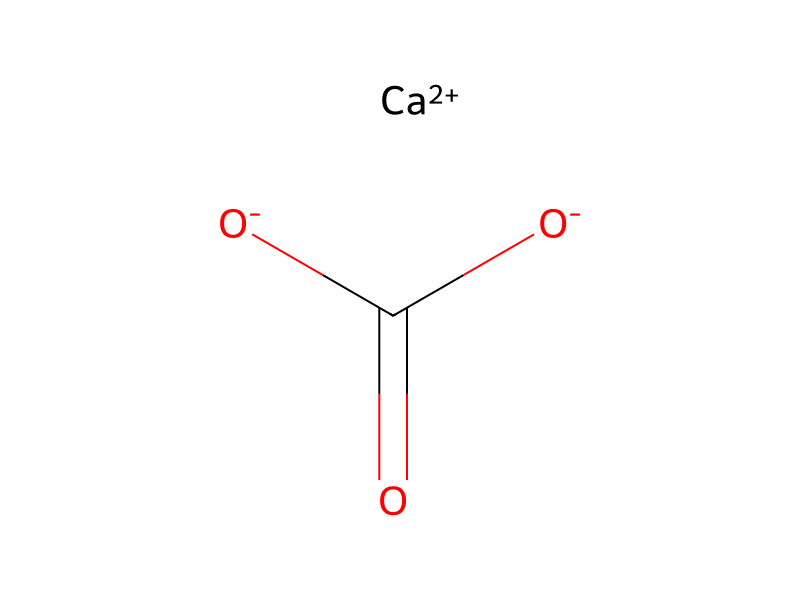
A suspension of 0.05 mol (8.35 g) of 2-methyl-4-amino-5-nitroaniline and 0.035 mol (3.5 g) of calcium carbonate in 100 ml of water is heated beforehand on a boiling water-bath, whilst stirring. A solution of 0.07 mol (14.35 g) of β-bromoethylaniline hydrobromide in 20 ml of water is added gradually, whilst stirring. After heating for two hours on the boiling water-bath, the hot reaction medium is filtered. After cooling the filtrate for 24 hours at 0° C., the expected product, which has crystallised in the form of the hydrobromide, is filtered off. The crude product is washed with acetone and then recrystallised from boiling water. After filtration, washing with acetone and drying in vacuo, 2-methyl-4-amino-5-nitro-N-(β-aminoethyl)-aniline hydrobromide monohydrate is obtained.