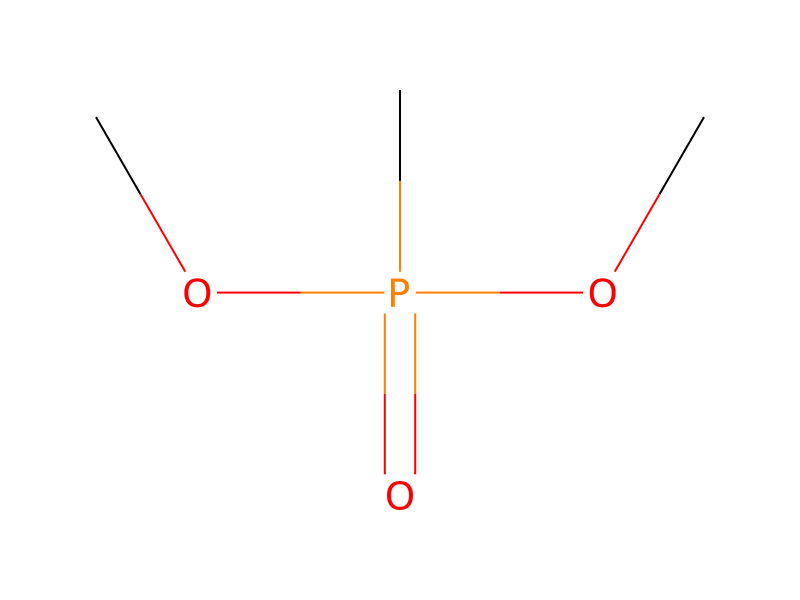
C([Li])CCC.[CH3:6][P:7](=[O:12])([O:10][CH3:11])[O:8][CH3:9].[C:13]1([CH:19]2[CH2:22][CH:21]([C:23](OC)=[O:24])[CH2:20]2)[CH:18]=[CH:17][CH:16]=[CH:15][CH:14]=1.C(O)(=O)C>CCCCCC.O1CCCC1>[O:24]=[C:23]([CH:21]1[CH2:22][CH:19]([C:13]2[CH:18]=[CH:17][CH:16]=[CH:15][CH:14]=2)[CH2:20]1)[CH2:6][P:7](=[O:12])([O:10][CH3:11])[O:8][CH3:9]n-Butyl-lithium (16.0ml. of a 1.43M solution in hexane) was added dropwise to a stirred solution of dimethyl methylphosphonate (2.86g.) in dry tetrahydrofuran (25ml.) at -78° C. in an atmosphere of argon. After 10 minutes, a solution of the methyl 3-phenylcyclobutanecarboxylate mixture (2.18g.) in dry tetrahydrofuran (25ml.) was added, and stirred at -78° C. for 2 hours. The reaction mixture was then neutralised by the addition of glacial acetic acid, warmed to room temperature and the tetrahydrofuran was evaporated under reduced pressure. The residue was partitioned between ethyl acetate and water. The ethyl acetate extract was dried over magnesium sulphate and evaporated under reduced pressure, to give dimethyl 2-oxo-2-(3-phenylcyclobutyl)-ethylphosphonate, as a mixture of cis and trans isomers. The n.m.r. spectrum in deuteriochloroform showed the following characteristic features (δ values):