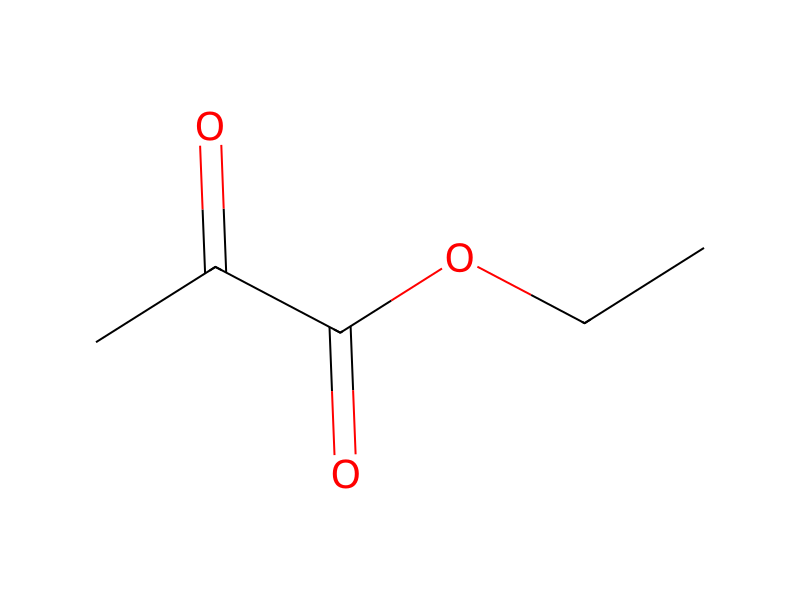
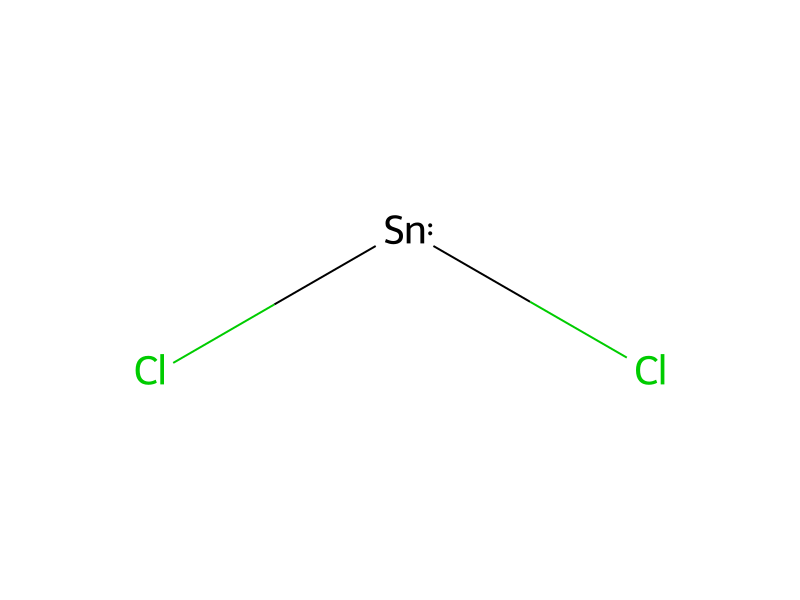
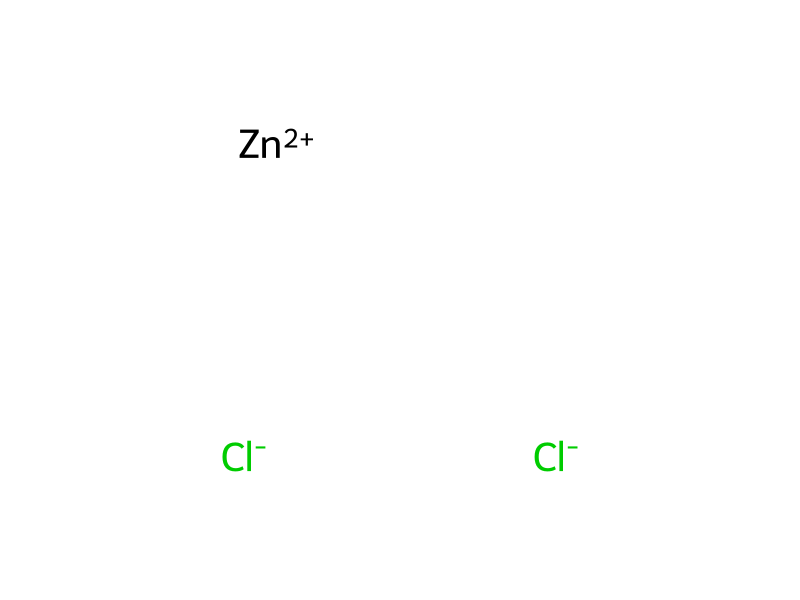
Ethyl pyruvate (535.4 mg, 4.61 mmol) was added to 5-Bromo-2-nitro-benzaldehyde (1.01 g, 4.39 mmol) in ethanol (22 mL) at room temperature under argon. Then, tin(II)chloride (4.16 g, 21.95 mmol) was added to the reaction mixture, followed by the addition of zinc(II)chloride (2.99 g, 21.95 mmol), and finally activated 4 Å molecular sieve pellets (1.01 g). The mixture was heated at 70° C. in an oil bath for twenty hours, then allowed to cool to room temperature, and carefully quenched with saturated sodium bicarbonate. Ethyl acetate was added, and the mixture was filtered through Celite®. The filtrate was extracted with ethyl acetate, and the organic layer was dried over anhydrous magnesium sulfate, then filtered and concentrated. The residue was purified by silica gel chromatography eluting with dichloromethane and subsequently a second silica gel chromatography purification eluting with 1:4 ethyl acetate:hexanes to give 173.6 mg (14%) of ethyl 6-bromo-2-quinolinecarboxylate as a solid. 1H NMR (400 MHz, d6-DMSO): δ 8.55 (d, J=9 Hz, 1H), 8.42 (d, J=2 Hz, 1H), 8.16 (d, J=9 Hz, 1H), 8.11 (d, J=9 Hz, 1H), 7.98 (dd, J=9, 2 Hz, 1H), 4.42 (q, J=7 Hz, 2H), 1.37 (t, J=7 Hz, 3H). ESI-LCMS m/z 280 (M+H)+.