Acetic Acid → 2-chloro-3-(1H-pyrrol-1-yl)pyridine
Reaktionsgleichung

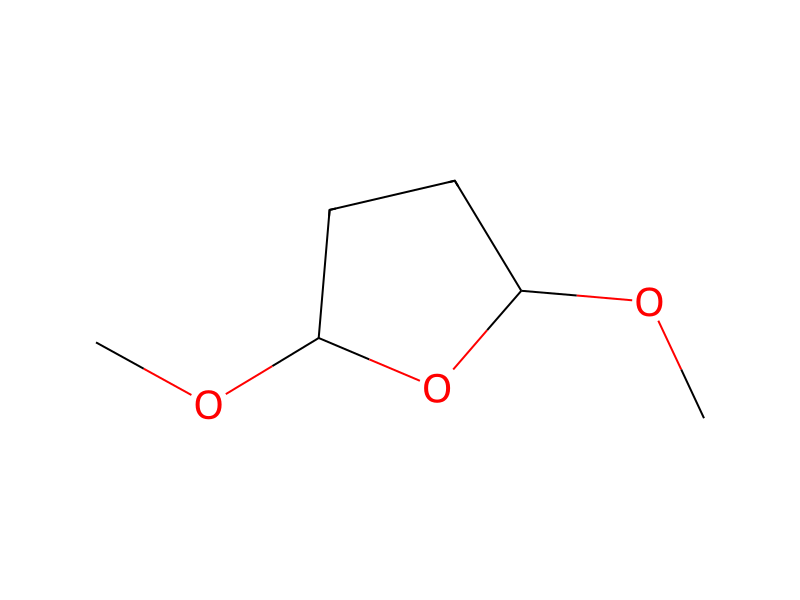
C(O)(=O)C.[Cl:5][C:6]1[C:11]([NH2:12])=[CH:10][CH:9]=[CH:8][N:7]=1.CO[CH:15]1[CH2:19][CH2:18][CH:17](OC)O1>O>[Cl:5][C:6]1[C:11]([N:12]2[CH:15]=[CH:19][CH:18]=[CH:17]2)=[CH:10][CH:9]=[CH:8][N:7]=1Komponenten
5
Edukt 3


Produkt 1

Reagenzien, Katalysatoren, Lösungsmittel 1

Versuchsvorschrift
To 30 ml of acetic acid were added 5.0 g of 2-chloro-3-pyridinylamine and 5.6 g of 2,5-dimethoxytetrahydrofuran, and the mixture was heated to reflux for 2 hours. The reaction mixture was allowed to cool to room temperature, poured into water, and then extracted with ethyl acetate two times. The organic layers were combined, washed successively with water and an aqueous saturated sodium chloride solution, dried over anhydrous sodium sulfate, and concentrated under reduced pressure. The resulting residue was subjected to silica gel chromatography to obtain 6.5 g of 1-(2-chloro-3-pyridinyl)-1H-pyrrole of the formula: