Reaktionsgleichung

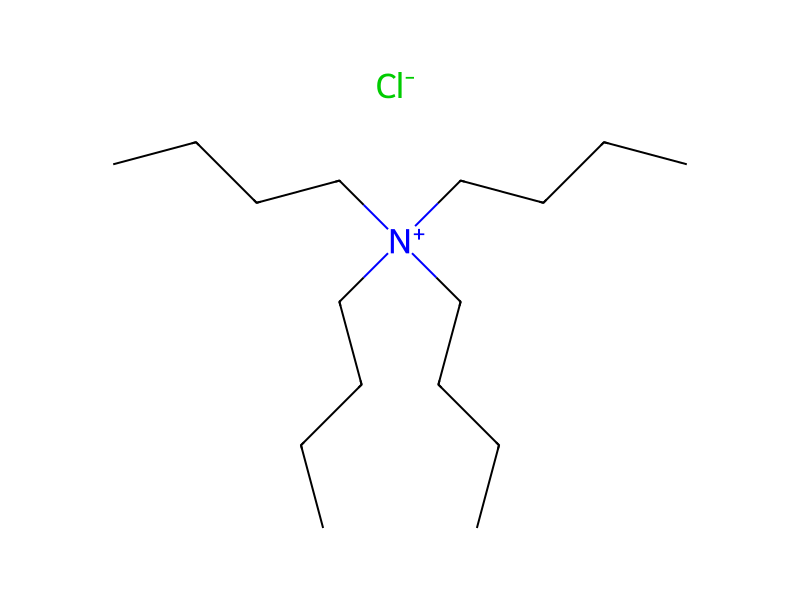
Cl[CH2:2][Si:3]([C:6]1[CH:11]=[CH:10][C:9]([O:12][CH2:13][CH3:14])=[CH:8][CH:7]=1)([CH3:5])[CH3:4].[C:15]([O-:18])(=[O:17])[CH3:16].[Na+].C(Cl)(Cl)(Cl)Cl>[Cl-].C([N+](CCCC)(CCCC)CCCC)CCC.C(OCC)C>[C:15]([O:18][CH2:2][Si:3]([C:6]1[CH:11]=[CH:10][C:9]([O:12][CH2:13][CH3:14])=[CH:8][CH:7]=1)([CH3:5])[CH3:4])(=[O:17])[CH3:16]Komponenten
Edukt 3



Produkt 1

Reagenzien, Katalysatoren, Lösungsmittel 2

Versuchsvorschrift
In a flask under nitrogen were placed 10.1 g (0.044 mole) of (chloromethyl)(4-ethoxyphenyl)dimethylsilane, 4.0 g (0.049 mole) of sodium acetate, 1.2 g (0.0043 mole) of tetrabutylammonium chloride, and 75 ml of carbon tetrachloride. This mixture was refluxed for four days. After cooling to room temperature, 2.0 g (0.024 mole) of sodium acetate and 0.60 g (0.0022 mole) of tetrabutylammonium chloride was added, and the reaction mixture was refluxed for five more days. This mixture was then diluted with diethyl ether, filtered through silica gel, and the solvent was evaporated under reduced pressure, leaving 11.7 g of 2-(4-ethoxyphenyl)-2-methyl-2-silapropyl acetate as a clear, light brown oil. The nmr spectrum was consistent with the proposed structure.
Aufarbeitung
- customIn a flask under nitrogen were placed
- temperatureThis mixture was refluxed for four days
- temperaturethe reaction mixture was refluxed for five more days
- filtrationfiltered through silica gel
- customthe solvent was evaporated under reduced pressure
Quellen und Nachweise
- ORD-Eintrag
- ord-c5694bf43ac44a9f9d99458ce32adaab
- Quelldatensatz
- uspto-grants-1987_11
- Patentnummer
- US04709068
Verknüpfte Notizen
Wird geladen…