Acetoxyacetyl chloride → 3-[2-((R)-6,8-Dichloro-2-methyl-1,2,3,4-tetrahydroisoquinolin-4-yl)phenyl]-oxazolidine-2,4-dione
HRID 251871
Reaktionsgleichung

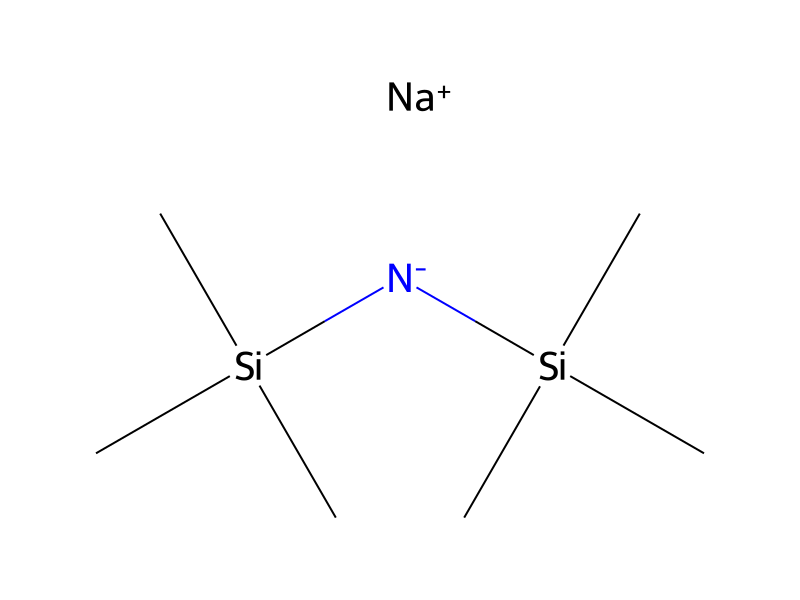
[Cl:1][C:2]1[CH:3]=[C:4]2[C:9](=[C:10]([Cl:12])[CH:11]=1)[CH2:8][N:7]([CH3:13])[CH2:6][C@H:5]2[C:14]1[CH:19]=[CH:18][CH:17]=[CH:16][C:15]=1[NH2:20].C[Si](C)(C)[N-][Si](C)(C)C.[Na+].[C:31]([O:34][CH2:35][C:36](Cl)=[O:37])(=[O:33])C>C1COCC1>[Cl:1][C:2]1[CH:3]=[C:4]2[C:9](=[C:10]([Cl:12])[CH:11]=1)[CH2:8][N:7]([CH3:13])[CH2:6][C@H:5]2[C:14]1[CH:19]=[CH:18][CH:17]=[CH:16][C:15]=1[N:20]1[C:36](=[O:37])[CH2:35][O:34][C:31]1=[O:33]Komponenten
5
Edukt 3


Produkt 1

Reagenzien, Katalysatoren, Lösungsmittel 1
