Reaktionsgleichung

Br[CH2:2][CH2:3][CH2:4][CH2:5][CH2:6][CH2:7][CH2:8][CH2:9][CH2:10][CH3:11].[Mg].C(=O)([O:17][CH2:18][CH3:19])OCC.Cl>C(OCC)C>[CH2:2]([C:18]([CH2:19][CH2:2][CH2:3][CH2:4][CH2:5][CH2:6][CH2:7][CH2:8][CH2:9][CH3:10])([CH2:2][CH2:3][CH2:4][CH2:5][CH2:6][CH2:7][CH2:8][CH2:9][CH2:10][CH3:11])[OH:17])[CH2:3][CH2:4][CH2:5][CH2:6][CH2:7][CH2:8][CH2:9][CH2:10][CH3:11]Komponenten
6
Edukt 4

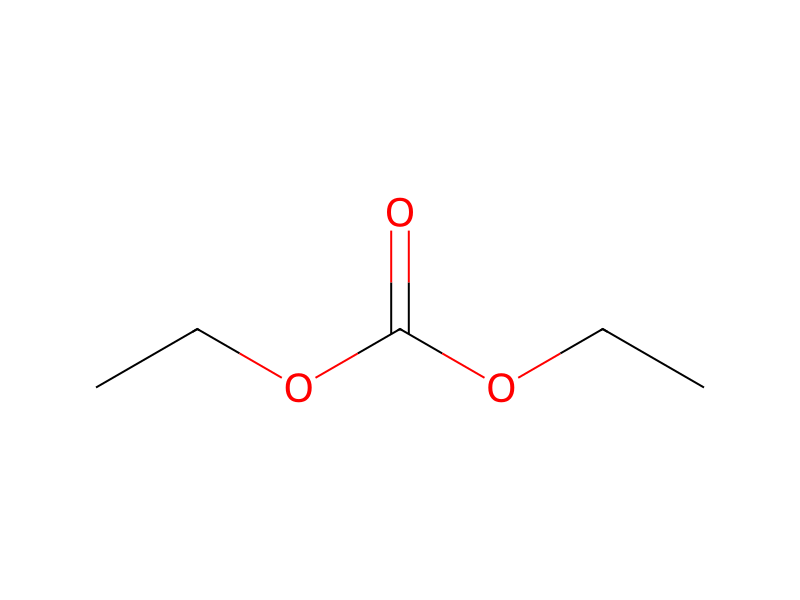
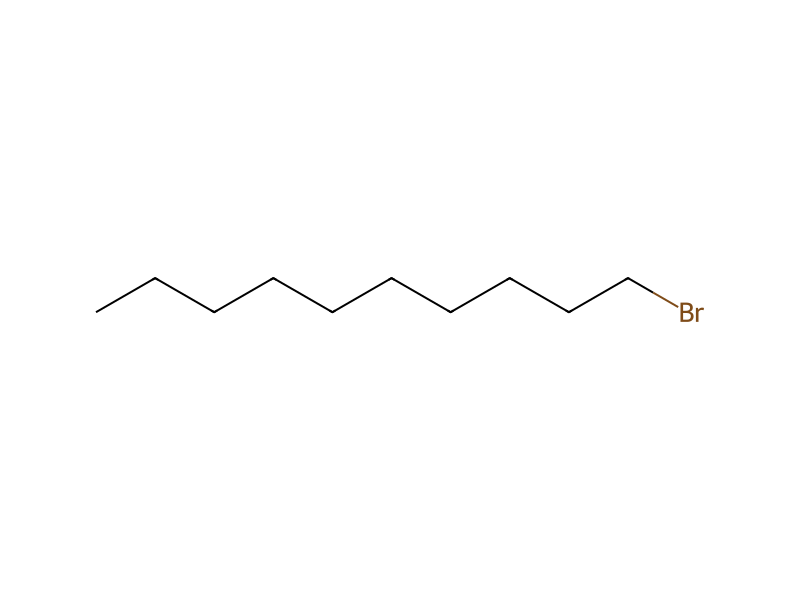

Produkt 1

Reagenzien, Katalysatoren, Lösungsmittel 1

Reaktionsbedingungen
- Temperatur
- 30 °C
Versuchsvorschrift
Three moles of 1-bromodecane was slowly added to 3 moles of magnesium turnings in 0.6 liters of anhydrous ethyl ether (nitrogen atmosphere). One mole of diethyl carbonate in 0.151 anhydrous ethyl ether was slowly added to the mixture. After stirring for one hour at 30° C., the mixture was slowly poured into 1.8 liters of a cold 10% HCl solution. The organic layer was dried with magnesium sulfate and the ethyl ether evaporated off to give tri-n-decylcarbinol.
Aufarbeitung
- dry with materialThe organic layer was dried with magnesium sulfate
- customthe ethyl ether evaporated off
Quellen und Nachweise
- ORD-Eintrag
- ord-5831ca84c85c45188e821732a2150987
- Quelldatensatz
- uspto-grants-1998_03
- Patentnummer
- US05728907
Verknüpfte Notizen
Wird geladen…