StartseiteMCPWorkbenchSkills
StartseiteWorkbenchBenachrichtigungenMein Bereich
llms.txt · MCP-AnleitungDatenschutz · Nutzungsbedingungen · Supportv1.8.0
  1. Startseite
  2. /Reaktion

1,4-Dibromobutane → 1-(4-Bromobutyl)-2,4-dimethoxybenzene

HRID 259940
Notizen
Druckvorschau

Reaktionsgleichung

Reaktionsgleichung von HRID 259940
[Br-].[Li+].[Br:3][CH2:4][CH2:5][CH2:6][CH2:7]Br.[CH3:9][O:10][C:11]1[CH:16]=[C:15]([O:17][CH3:18])[CH:14]=[CH:13][C:12]=1[Mg]Br>C1COCC1.[Cu]Br>[Br:3][CH2:4][CH2:5][CH2:6][CH2:7][C:14]1[CH:13]=[CH:12][C:11]([O:10][CH3:9])=[CH:16][C:15]=1[O:17][CH3:18]
KomponentenVersuchsvorschriftAufarbeitungQuellen und NachweiseNotizen zur Reaktion

Komponenten

6

Edukt 3

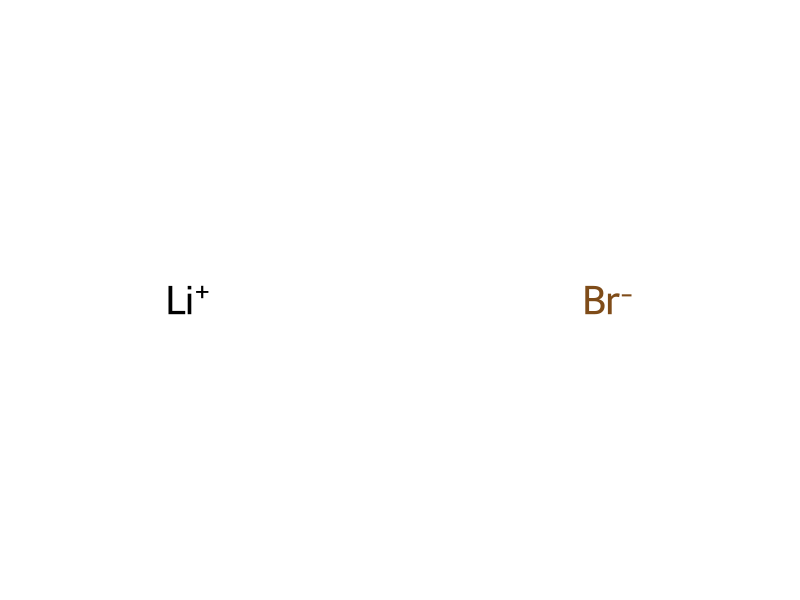
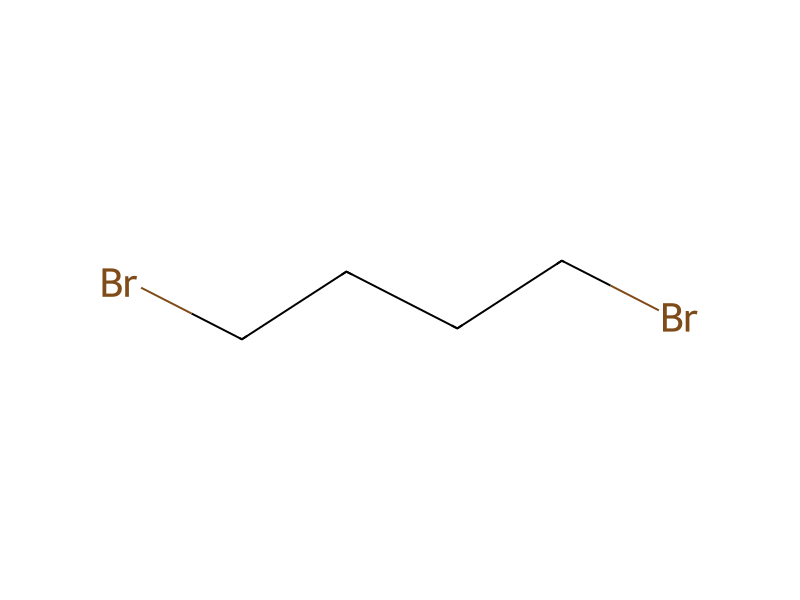
HCID 80561,4-DibromobutaneHCID 82050Lithium BromideHCID 178491918HCID 178491918, Verbindung

Produkt 1

HCID 538225701-(4-Bromobutyl)-2,4-dimethoxybenzeneAusbeute 73,2 %

Reagenzien, Katalysatoren, Lösungsmittel 2

HCID 24593copper(I) bromideKatalysator
HCID 8028
Tetrahydrofuran
Lösungsmittel
3×

Versuchsvorschrift

Commercially available copper(I)bromide (7.17 g, 50 mmol) and anhydrous lithium bromide (8.68 g, 100 mmol) were added to anhydrous THF (100 mL). Vigorous shaking gave a dark greenish solution. 11.5 mL (5.75 mmol) of this solution was added to a mixture of 1,4-dibromobutane (74.8 g, 346 mmol) in THF (90 mL). The mixture was warmed to 40 C., after which a solution of 2,4-dimethoxyphenylmagnesium bromide (115 mmol) in THF (100 mL), prepared by standard methods, was added over 45 min. The temperature was never more than 50 C. After the addition, the mixture was stirred for an additional 1 h at 50 C. The reaction mixture was allowed to reach 30 C. after which it was poured into ice water (200 mL). Effective stirring for 10 min gave a deep blue color. The mixture was extracted with diethyl ether (2×250 mL), dried (MgSO4) and evaporated. The excess of 1,4-dibromobutane was distilled off, and the residue was filtered through a short column of silica gel (hexane-EtOAC, 95:5). Evaporation gave the title compound as a colorless liquid (23.0 g): 1H NMR (CDCl3 -d) 7.00 (d, J=8.0 Hz, 1H), 6.44-6.39 (m, 2H), 3.79 (s, 6H), 3.42 (t, J=6.9 Hz, 2H), 2.56 (t, J=7.5 Hz, 2H), 1.90-1.83 (m, 2H), 1.73-1.62 (m, 2H); 13C NMR (CDCl3 - d) 159.13, 158.24, 129.90, 122.56, 103.74, 98.44, 55.30, 55.22, 33.87, 32.47, 28.56 (two overlapping carbon); MS (EI, 70 eV): m/z (rel. int.) 274/272 (M+, 100/96), 151 (54), 121 (43), 91 (14).

Aufarbeitung

  1. customgave a dark greenish solution
  2. temperatureThe mixture was warmed to 40 C
  3. additionwas added over 45 min
  4. additionAfter the addition
  5. stirringthe mixture was stirred for an additional 1 h at 50 C
  6. stirringEffective stirring for 10 min
  7. customgave a deep blue color
  8. extractionThe mixture was extracted with diethyl ether (2×250 mL)
  9. dry with materialdried (MgSO4)
  10. customevaporated
  11. distillationThe excess of 1,4-dibromobutane was distilled off
  12. filtrationthe residue was filtered through a short column of silica gel (hexane-EtOAC, 95:5)
  13. customEvaporation

Quellen und Nachweise

ORD-Eintrag
ord-70621daf8b4d4dd0b58c9213e43d1723
Quelldatensatz
uspto-grants-1996_06
DOI
10.6084/m9.figshare.5104873.v1
Patentnummer
US05523475

Notizen zur Reaktion

Wird geladen…

Auf dieser SeiteKomponentenVersuchsvorschriftAufarbeitungQuellen und NachweiseNotizen zur Reaktion