StartseiteMCPWorkbenchSkills
StartseiteWorkbenchBenachrichtigungenMein Bereich
llms.txt · MCP-AnleitungDatenschutz · Nutzungsbedingungen · Supportv1.8.3
  1. Startseite
  2. /Reaktion

Ethanol → 1-(2,6-Dichlorobenzylideneamino)-3-(3-pyridylmethyl)guanidine

HRID 262764
Drucken

Reaktionsgleichung

Reaktionsgleichung von HRID 262764
I.[Cl:2][C:3]1[CH:15]=[CH:14][CH:13]=[C:12]([Cl:16])[C:4]=1[CH:5]=[N:6][NH:7][C:8](=[NH:11])SC.[NH2:17][CH2:18][C:19]1[CH:20]=[N:21][CH:22]=[CH:23][CH:24]=1.C(O)C>O>[Cl:2][C:3]1[CH:15]=[CH:14][CH:13]=[C:12]([Cl:16])[C:4]=1[CH:5]=[N:6][NH:7][C:8]([NH:17][CH2:18][C:19]1[CH:20]=[N:21][CH:22]=[CH:23][CH:24]=1)=[NH:11]
KomponentenVersuchsvorschriftAufarbeitungQuellen und NachweiseNotizen zur Reaktion

Komponenten

5

Edukt 3

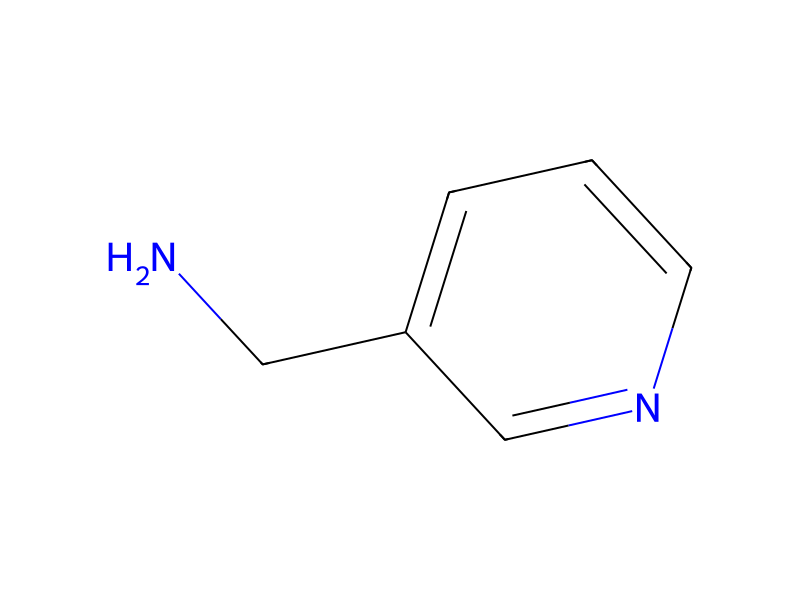
HCID 702EthanolHCID 310183-PyridinemethanamineHCID 178504060Methyl 3-(2,6-dichlorobenzylidene)thiocarbazimidate hydroiodide

Produkt 1

HCID 1785121111-(2,6-Dichlorobenzylideneamino)-3-(3-pyridylmethyl)guanidine

Reagenzien, Katalysatoren, Lösungsmittel 1

HCID 962WaterLösungsmittel

Versuchsvorschrift

A mixture of 5.85 g. of methyl 3-(2,6-dichlorobenzylidene)thiocarbazimidate hydriodide, 3.24 g. of 3-(aminomethyl)pyridine and 25 ml. of absolute ethanol is heated under reflux for 24 hours and diluted while hot with 75 ml. of water. After cooling, an oil separates and crystallizes. The mixture is chilled overnight and the crystals are separated and recrystallized from 100 ml. of 50% aqueous ethanol to give the desired product as pale yellow crystals, m.p. 148°-151° C.

Aufarbeitung

  1. additionA mixture of 5.85 g
  2. temperatureunder reflux for 24 hours
  3. additiondiluted while hot with 75 ml
  4. temperatureAfter cooling
  5. customan oil separates and crystallizes
  6. temperatureThe mixture is chilled overnight
  7. customthe crystals are separated
  8. customrecrystallized from 100 ml

Quellen und Nachweise

ORD-Eintrag
ord-8c8de0a855b04af48e24d7a007cf8f02
Quelldatensatz
uspto-grants-1979_05
DOI
10.6084/m9.figshare.5104873.v1
Patentnummer
US04154947

Notizen zur Reaktion

Auf dieser SeiteKomponentenVersuchsvorschriftAufarbeitungQuellen und NachweiseNotizen zur Reaktion