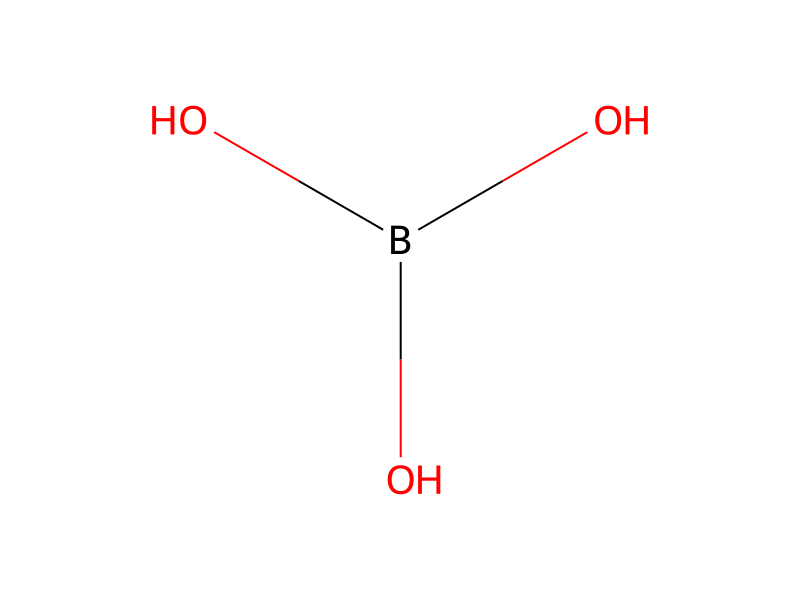
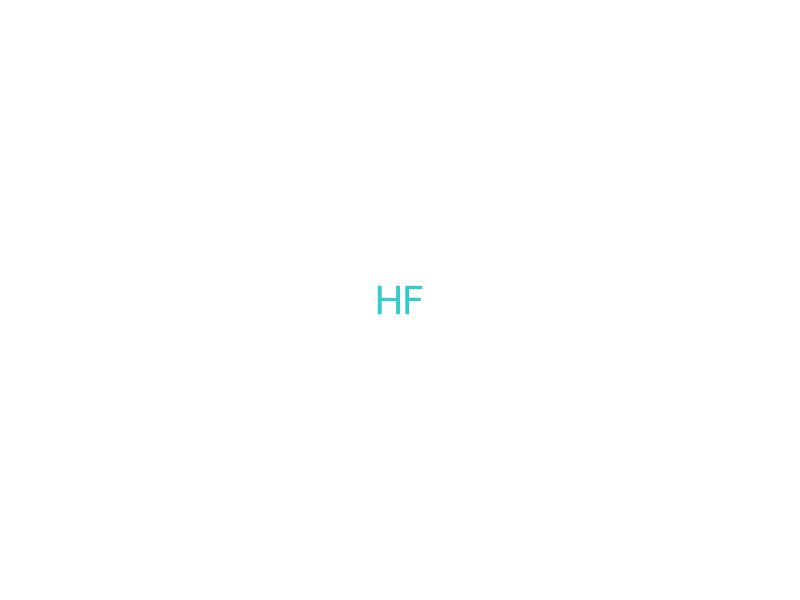
N[C:2]1[CH:7]=[CH:6][CH:5]=[CH:4][C:3]=1[C:8]1[CH:13]=[CH:12][C:11]([CH:14]([OH:20])[C:15]([O:17][CH2:18][CH3:19])=[O:16])=[CH:10][CH:9]=1.Cl.N([O-])=O.[Na+].B(O)(O)O.[FH:30]>O>[F:30][C:2]1[CH:7]=[CH:6][CH:5]=[CH:4][C:3]=1[C:8]1[CH:13]=[CH:12][C:11]([CH:14]([OH:20])[C:15]([O:17][CH2:18][CH3:19])=[O:16])=[CH:10][CH:9]=1To 44.2 g. (0.15 moles) of ethyl 2'-amino-4-biphenylylglycolate is added at 0°C 44 ml. of 1.5 moles of concentrated hydrochloric acid. The reaction mixture is maintained at 0°C and the diazonium salt is prepared with23.2 g. (0.32 moles) of 95% sodium nitrite in 80 ml. of water. To this mixutre is rapidly added a solution of 10.4 g. (0.17 moles) of boric acid dissolved in 22 g. (0.66 moles) of 60% hydrofluoric acid. The reaction mixture is then stirred for 1/2 hour and filtered, washed with 3 × 25 ml. of water, 2 × 25 ml. of methanol and 25 ml. of ether. The residual cake is then treated in vacuo. The treated cake is then placed in a distilling flask and heated to permit spontaneous decomposition. After the decomposition, the residue is then fractionally distilled to obtain ethyl 2'-fluoro-4-biphenylylglycolate.