StartseiteMCPWorkbenchSkills
StartseiteWorkbenchBenachrichtigungenMein Bereich
llms.txt · MCP-AnleitungDatenschutz · Nutzungsbedingungen · Supportv1.8.0
  1. Startseite
  2. /Reaktion

Hydrochloric Acid → 3-cyclohexyl-N-(N,N-dimethylsulfamoyl)-2-(2-formyl-4-methoxyphenyl)-1H-indole-6-carboxamide

HRID 271054
Notizen
Druckvorschau

Reaktionsgleichung

Reaktionsgleichung von HRID 271054
Br[C:2]1[NH:3][C:4]2[C:9]([C:10]=1[CH:11]1[CH2:16][CH2:15][CH2:14][CH2:13][CH2:12]1)=[CH:8][CH:7]=[C:6]([C:17]([NH:19][S:20]([N:23]([CH3:25])[CH3:24])(=[O:22])=[O:21])=[O:18])[CH:5]=2.B(O)O.C1(P(C2CCCCC2)C2C=CC=CC=2[C:42]2[C:47]([O:48][CH3:49])=[CH:46][CH:45]=[CH:44][C:43]=2OC)CCCCC1.[C:58](=O)([O-])[O-:59].[K+].[K+].Cl>C1(C)C=CC=CC=1.C(OCC)(=O)C.O.C([O-])(=O)C.[Pd+2].C([O-])(=O)C>[CH:11]1([C:10]2[C:9]3[C:4](=[CH:5][C:6]([C:17]([NH:19][S:20](=[O:22])(=[O:21])[N:23]([CH3:25])[CH3:24])=[O:18])=[CH:7][CH:8]=3)[NH:3][C:2]=2[C:44]2[CH:45]=[CH:46][C:47]([O:48][CH3:49])=[CH:42][C:43]=2[CH:58]=[O:59])[CH2:12][CH2:13][CH2:14][CH2:15][CH2:16]1
KomponentenVersuchsvorschriftAufarbeitungQuellen und NachweiseNotizen zur Reaktion

Komponenten

10

Edukt 5

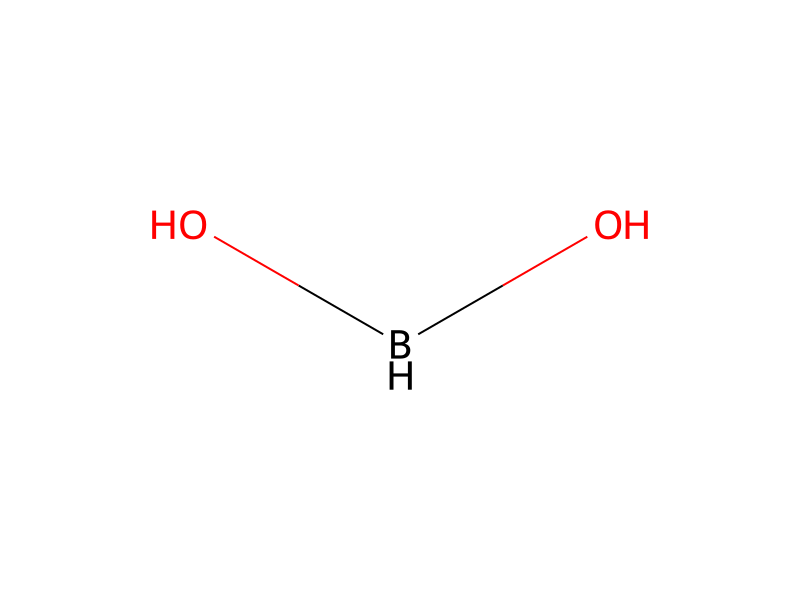
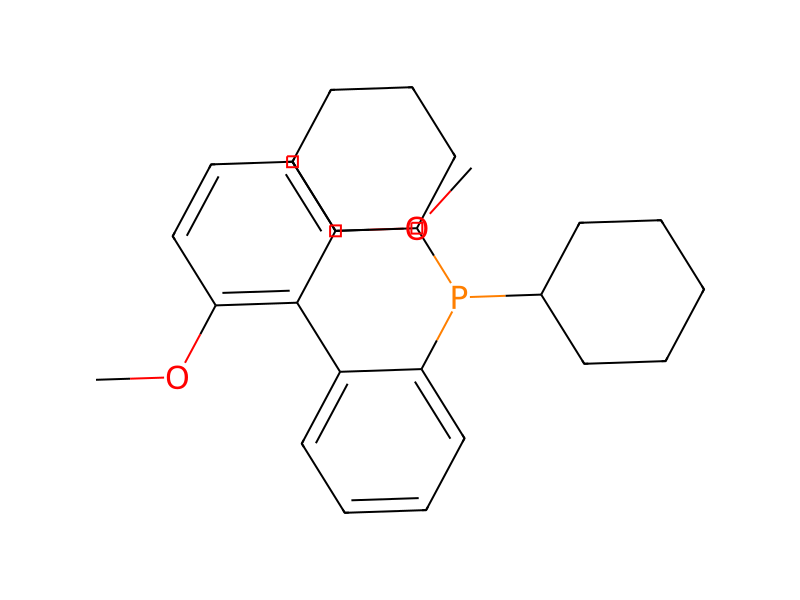
HCID 313Hydrochloric AcidHCID 11430Potassium CarbonateHCID 61668Boronic AcidHCID 112698722-Dicyclohexylphosphino-2',6'-dimethoxybiphenylHCID 587651502-bromo-3-cyclohexyl-N-(dimethylsulfamoyl)-1H-indole-6-carboxamide

Produkt 1

HCID 59750076
3-cyclohexyl-N-(N,N-dimethylsulfamoyl)-2-(2-formyl-4-methoxyphenyl)-1H-indole-6-carboxamide

Reagenzien, Katalysatoren, Lösungsmittel 4

HCID 167845palladium(II) acetateKatalysatorHCID 962WaterLösungsmittelHCID 1140TolueneLösungsmittelHCID 8857Ethyl AcetateLösungsmittel2×

Versuchsvorschrift

A mixture of the 2-Bromo-3-cyclohexyl-N-[(dimethylamino)sulfonyl]-1H-indole-6-carboxamide (4.28 g, 0.01 mol), boronic acid (2.7 g, 0.015 mol), 2-dicyclohexylphosphino-2′,6′-dimethoxy-biphenyl (41 mg, 0.0001 mol), palladium acetate (11.2 mg), and finely ground potassium carbonate (4.24 g, 0.02 mol) in toluene (30 mL) was stirred under reflux and under nitrogen for 30 min, at which time LC/MS analysis showed the reaction to be complete. The reaction mixture was then diluted with ethyl acetate and water, and then acidified with an excess of dilute HCl. The ethyl acetate layer was then collected and washed with dilute HCl, water and brine. The organic solution was then dried (magnesium sulfate), filtered and concentrated to give a gum. The gum was diluted with hexanes (250 ml) and ethyl acetate (25 mL), and the mixture was stirred for 20 hr at 22° C. during which time the product was transformed into a bright yellow granular solid (4.8 g) which was used directly without further purification.


Aufarbeitung

  1. temperatureunder reflux and under nitrogen for 30 min, at which time LC/MS analysis
  2. customthe reaction
  3. customThe ethyl acetate layer was then collected
  4. washwashed with dilute HCl, water and brine
  5. dry with materialThe organic solution was then dried (magnesium sulfate)
  6. filtrationfiltered
  7. concentrationconcentrated
  8. customto give a gum
  9. stirringthe mixture was stirred for 20 hr at 22° C. during which time the product
  10. customwas used directly without further purification

Quellen und Nachweise

ORD-Eintrag
ord-6269621dd18f43c3b08ea6dfa06c56f1
Quelldatensatz
uspto-grants-2008_11
DOI
10.6084/m9.figshare.5104873.v1
Patentnummer
US07452876B2

Notizen zur Reaktion

Wird geladen…

Auf dieser SeiteKomponentenVersuchsvorschriftAufarbeitungQuellen und NachweiseNotizen zur Reaktion